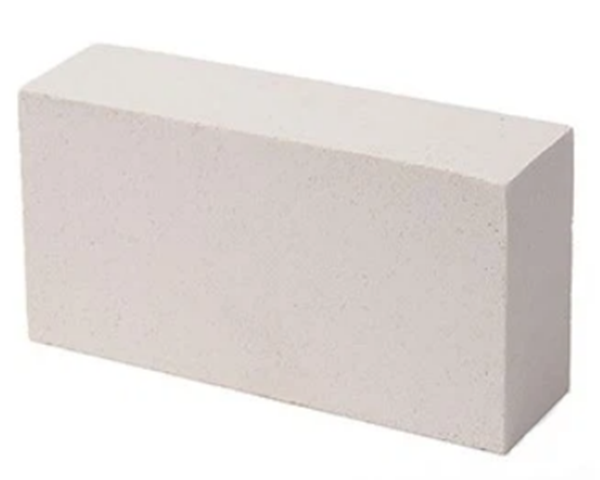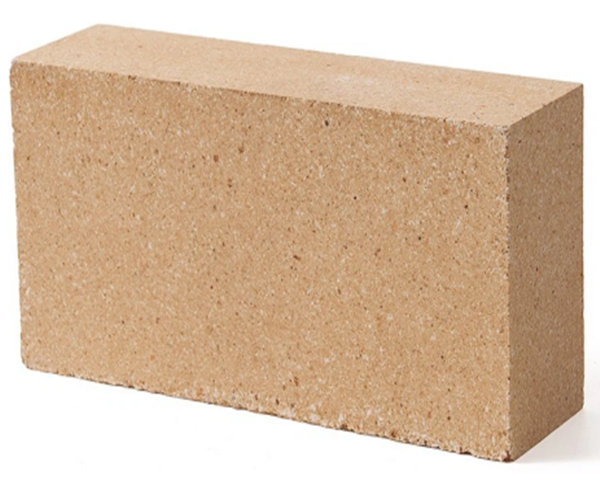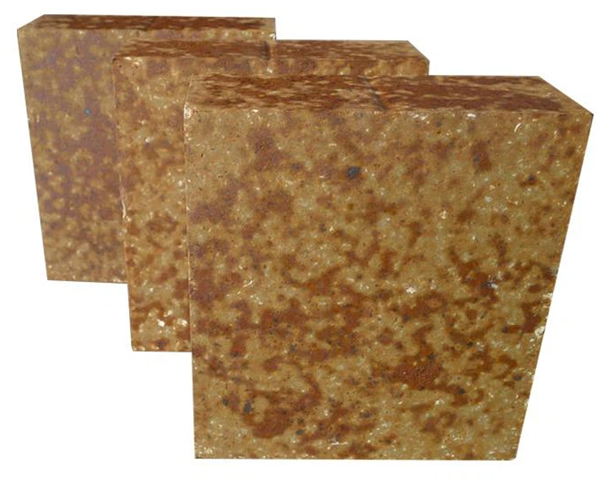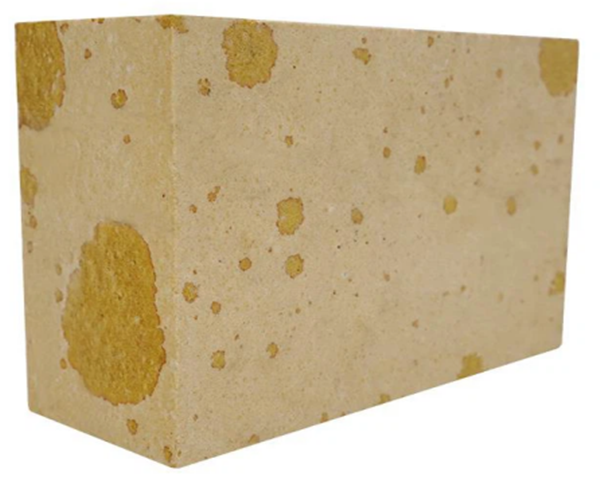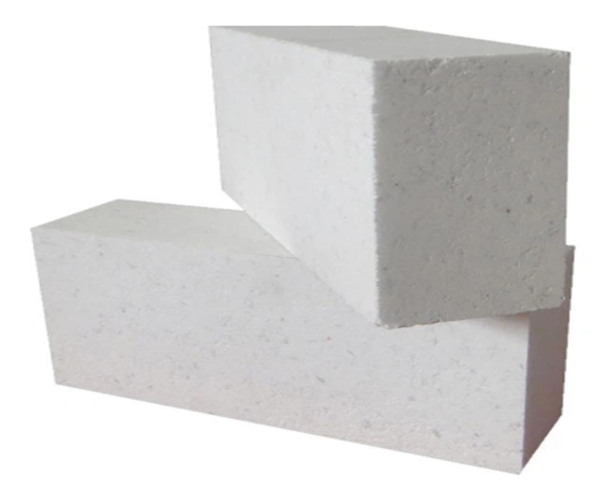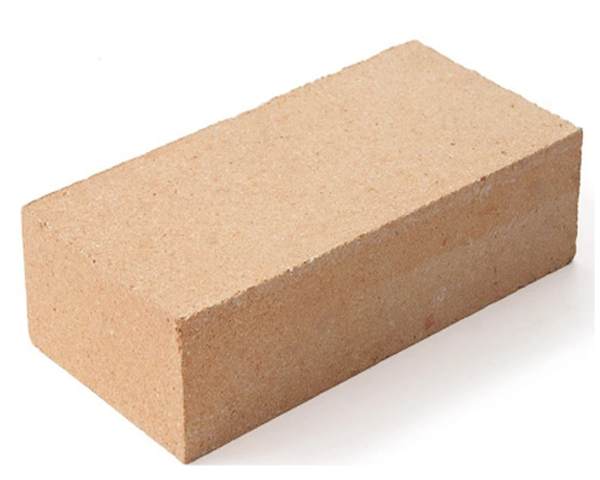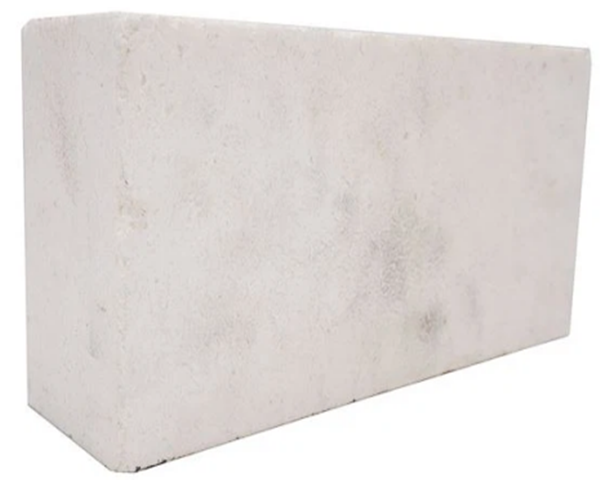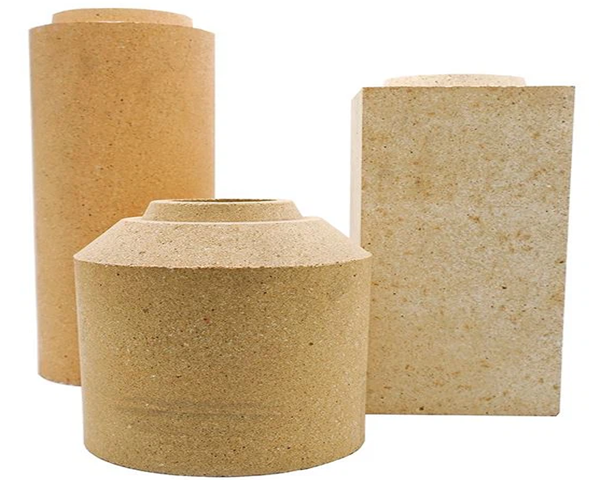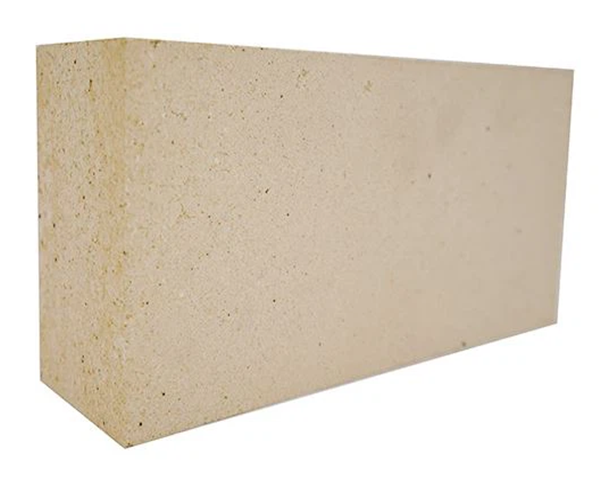
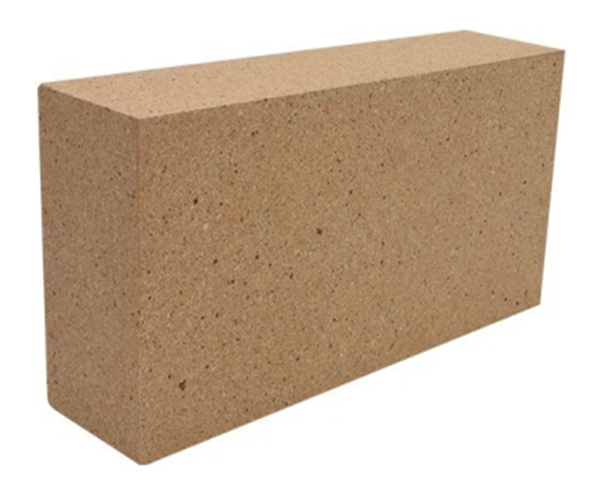
Low-creep clay bricks are made primarily from high-grade bauxite, andalusite, and electrofused mullite. They are characterized by low impurity content, dense structure, and high purity. New refractory raw materials, additives, and binders are added, and the mixture is processed through precise proportioning, mixing, high-pressure molding, and high-temperature sintering.
Low-creep clay bricks are made primarily from high-grade bauxite, andalusite, and electrofused mullite. They are characterized by low impurity content, dense structure, and high purity. New refractory raw materials, additives, and binders are added, and the mixture is processed through precise proportioning, mixing, high-pressure molding, and high-temperature sintering.
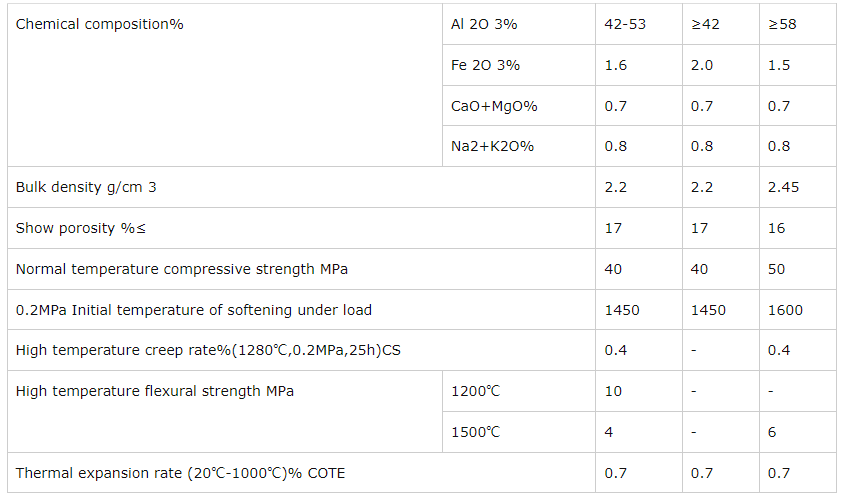
一.Physical And Chemical Indicators of Low-creep clay bricks
二.Low-Creep Clay Refractory Brick Characteristics
1. Low creep rate and minimal high-temperature creep. The high-temperature creep rate is significantly lower than that of ordinary clay refractory bricks. Under a load of 0.2 MPa at 1350℃, the creep deformation is significantly reduced (usually ≤1%). This characteristic makes it less susceptible to plastic deformation under the combined effects of long-term high temperature and continuous load, allowing it to maintain the original dimensions of the brick and the structural accuracy of the kiln for a long time. This effectively avoids problems such as kiln collapse and sealing failure caused by brick creep, extending the kiln maintenance cycle.
2. High load softening temperature.
The load softening start temperature (T0.6) is 1400-1450℃, which is suitable for the working environment of medium- and high-temperature industrial kilns. It maintains structural stability at sustained high temperatures, without melting or softening, meeting the high-temperature operating requirements of equipment such as cement rotary kilns, glass furnace regenerators, and hot blast furnaces.
3. Excellent Thermal Stability and Crack Resistance
The material exhibits a moderate coefficient of thermal expansion (approximately 0.6%-0.8% at 1200°C) and excellent thermal shock resistance (typically ≥10 cycles, water-cooled). It can withstand thermal stress shocks during the heating and cooling processes of the kiln, reducing cracks and spalling caused by temperature fluctuations, thus ensuring the structural integrity of the bricks and the airtightness of the kiln.
4. Strong Corrosion and Abrasion Resistance
Through optimized aggregate grading and sintering processes, the bricks have high density and low porosity, possessing excellent resistance to chemical corrosion from slag, high-temperature airflow, and material particles. At the same time, they have high mechanical strength (compressive strength at room temperature ≥30MPa) and outstanding wear resistance, reducing losses caused by media corrosion and mechanical wear.
5. Balanced Advantages in Cost and Performance
Compared to high-end refractory materials such as high-alumina bricks and sillimanite bricks, low-creep clay refractory bricks maintain core high-temperature performance while having lower raw material costs and higher cost-effectiveness. They are suitable for medium-to-high temperature applications that require a certain level of refractory performance but have limited budgets, achieving an optimal balance between performance and cost.
三.Low-Creep Clay Refractory Bricks Applications
1). Cement Industry (Core Application Area)
Suitable for high-temperature, long-term load, and slag erosion conditions in cement kilns, and are key lining materials for cement rotary kilns:
Cement rotary kilns: Transition zone, decomposition furnace, tertiary air duct lining
2). Metallurgical Industry
Focusing on the structural stability requirements of medium-to-high temperature equipment, suitable for key equipment such as hot blast stoves and soaking pits:
Blast furnace hot blast stoves: Regenerator checker bricks, combustion chamber lining; Soaking pits, heat treatment furnaces: Furnace lining bricks, furnace bottom support bricks.
3). Glass Industry
Suitable for medium-to-high temperature auxiliary parts such as glass kiln regenerators and flues, balancing performance and cost:
Glass tank furnaces: Regenerator checker bricks, flue lining
Glass fiber furnaces: Flue, waste heat recovery device lining bricks
4). Building Materials and Ceramics Industry
Ceramic tunnel kilns, roller kilns: Preheating zone, firing zone transition area lining bricks
Refractory material tunnel kilns: Kiln roof, kiln wall lining bricks
We have recommended some of our Related products to you. I hope you will be interested.