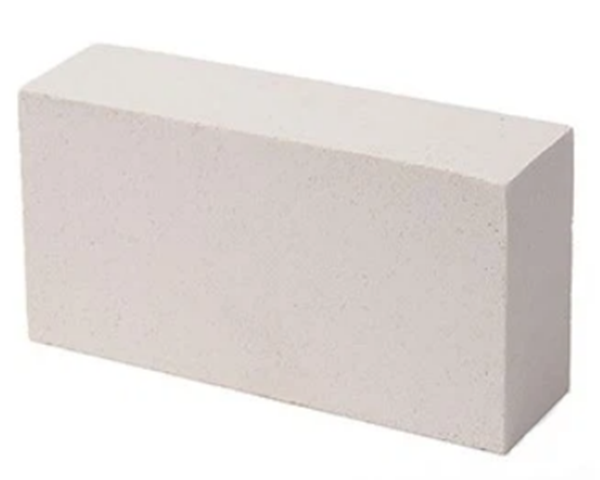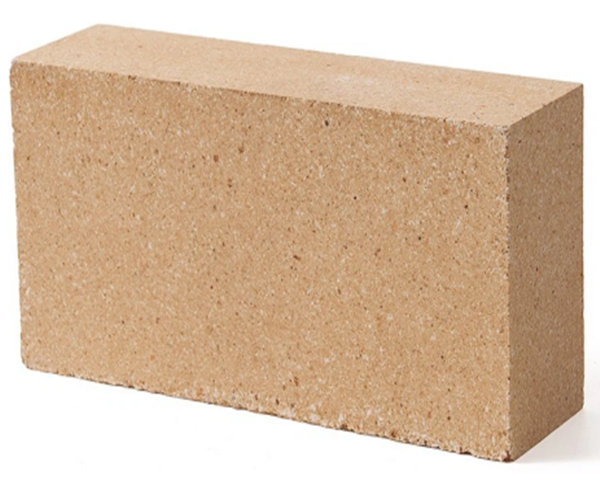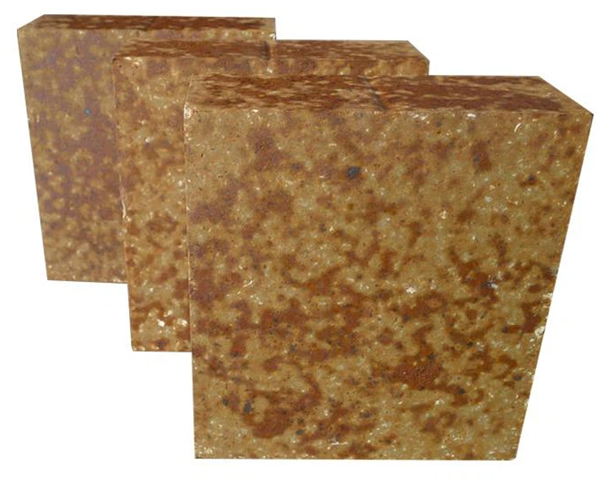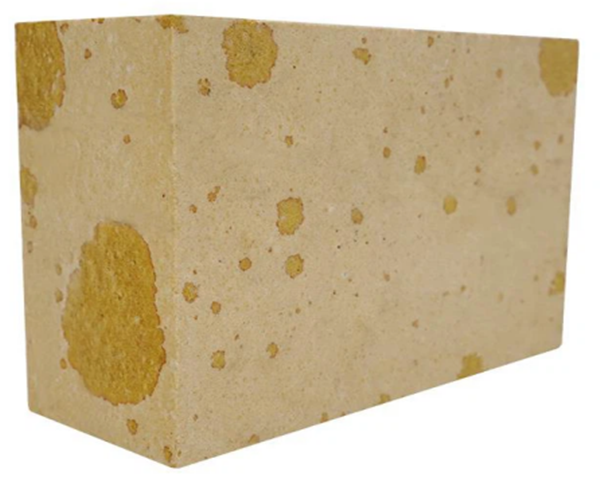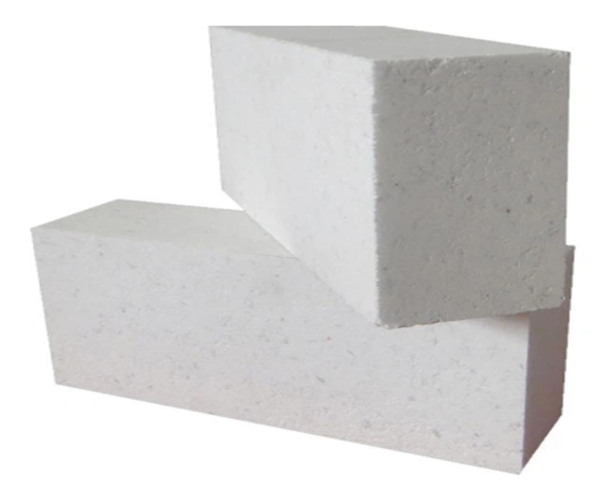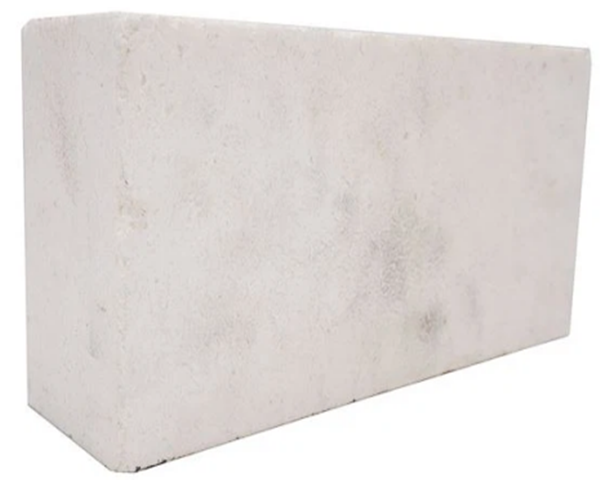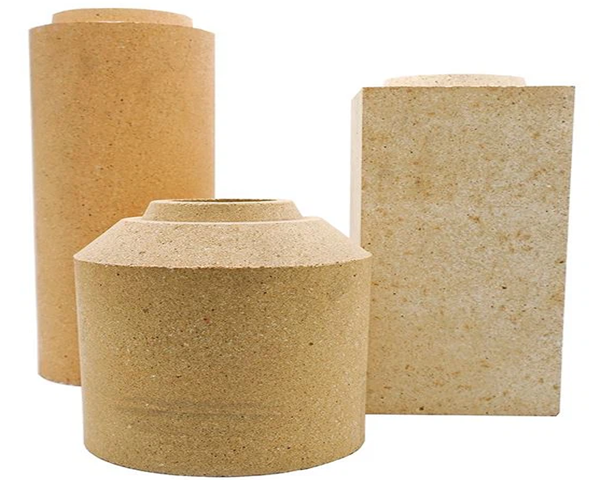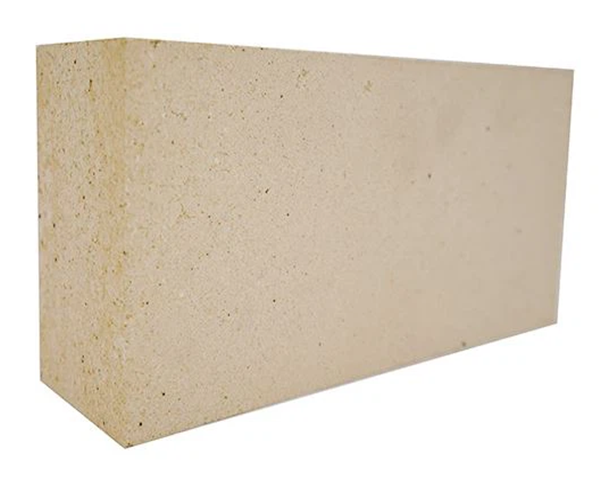
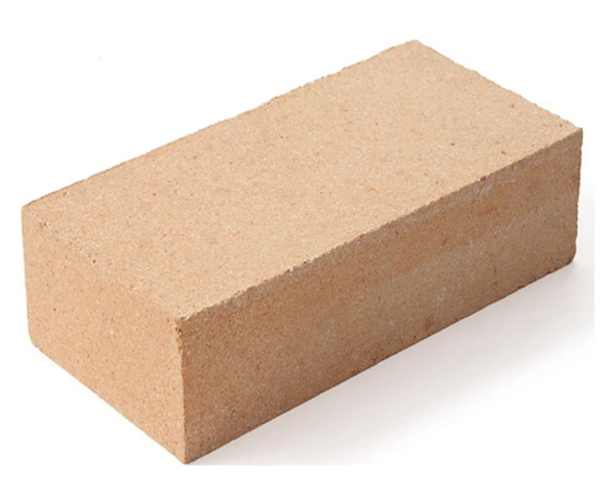
Fireclay Brick are bricks made primarily from clay. Due to their excellent thermal insulation, sound insulation, and environmentally friendly properties, they are widely used in the construction industry. They are composed mainly of natural clay, accounting for over 90% of the material. Small amounts of quartz sand may be added to regulate shrinkage, and coal powder and coal gangue are added as internal fuel. Some may also include industrial waste such as shale and fly ash. The bricks are manufactured through processes of mixing, molding, drying, and firing.
Fireclay Brick are bricks made primarily from clay. Due to their excellent thermal insulation, sound insulation, and environmentally friendly properties, they are widely used in the construction industry.
They are composed mainly of natural clay, accounting for over 90% of the material. Small amounts of quartz sand may be added to regulate shrinkage, and coal powder and coal gangue are added as internal fuel. Some may also include industrial waste such as shale and fly ash. The bricks are manufactured through processes of mixing, molding, drying, and firing.
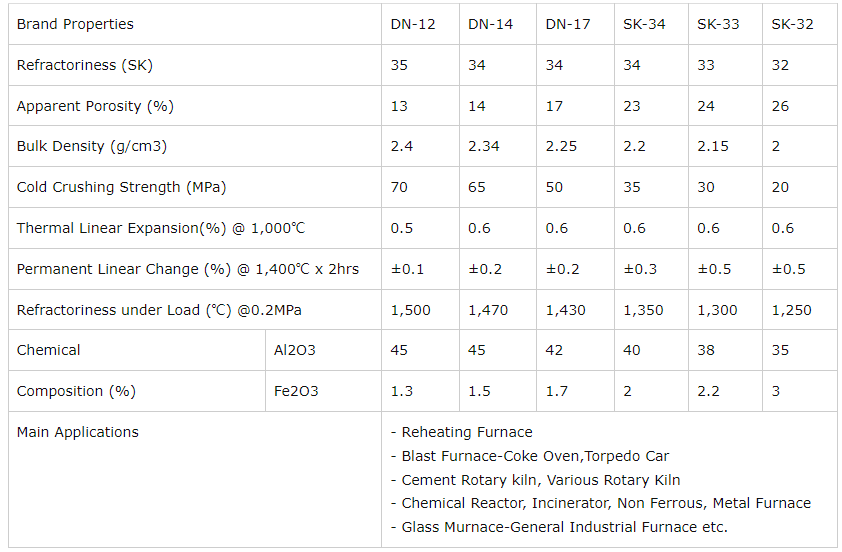
一.Physical And Chemical Indicators of Fireclay Brick
二.Types of Fireclay Brick
Clay refractory bricks are mainly divided into three types according to their use: clay refractory bricks for blast furnaces, clay refractory bricks for hot blast stoves, and large clay refractory bricks for glass kilns.
Based on their properties, clay bricks are classified into ordinary clay bricks, low-creep clay bricks, and low-porosity clay bricks. Clay bricks can also be classified into red bricks, solid bricks, and hollow bricks.
三. Applications of Fireclay Brick
Due to their environmentally friendly materials and stable performance, clay bricks are widely used in the construction field. They are commonly used in wall construction, building structures, and waterproofing, and can also be used for decorative walls, flowerbeds, and gardens. They are mainly used for lining blast furnaces, hot blast stoves, electric furnace roofs, reverberatory furnaces, rotary kilns, and other furnaces.
四. Properties of Clay Bricks
Fire Clay bricks possess the following properties:
(1) Refractoriness: The refractoriness of clay bricks ranges from 1580-1770℃, and this value is positively correlated with the Al₂O₃ content in the product; that is, the higher the Al₂O₃ content, the better the refractoriness.
(2) High-temperature compressive strength: This property increases with increasing Al₂O₃ content and is also influenced by factors such as the liquid phase appearance temperature of low-melting point substances at high temperatures, the amount of liquid phase formed, and the viscosity of the liquid phase.
(3) Load softening temperature: To effectively improve this indicator, the key is to increase the proportion of Al₂O₃ in the product and reduce the impurity content, with particularly strict control over the content of Fe₂O₃ and alkali metals.
(4) High-temperature stability: When clay bricks are used under long-term high-temperature conditions, a certain degree of residual shrinkage will occur, which is a typical characteristic during their high-temperature use.
(5) Thermal shock resistance: Clay bricks have good thermal shock resistance. This property can be further improved by increasing the amount of clinker added, optimizing the particle size distribution, increasing the molding pressure, appropriately lowering the final firing temperature, and increasing the number of mullite crystals while reducing the proportion of the glass phase.
(6) Slag resistance: Increasing the density of the brick and reducing the porosity can significantly enhance its resistance to slag erosion; increasing the Al₂O₃ content can improve resistance to alkaline slag, while increasing the SiO₂ content helps to enhance resistance to acidic slag.
We have recommended some of our Related products to you. I hope you will be interested.