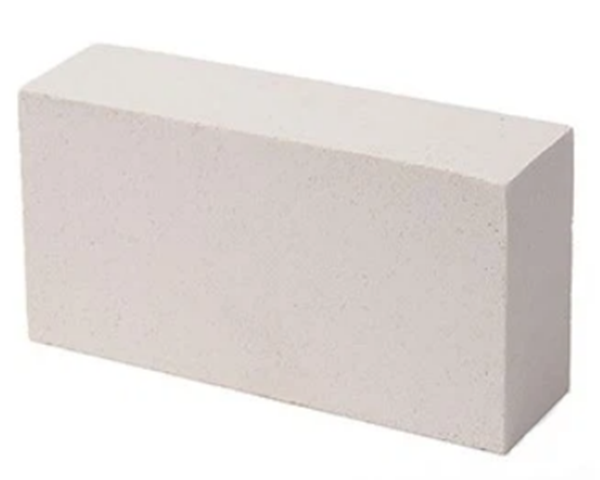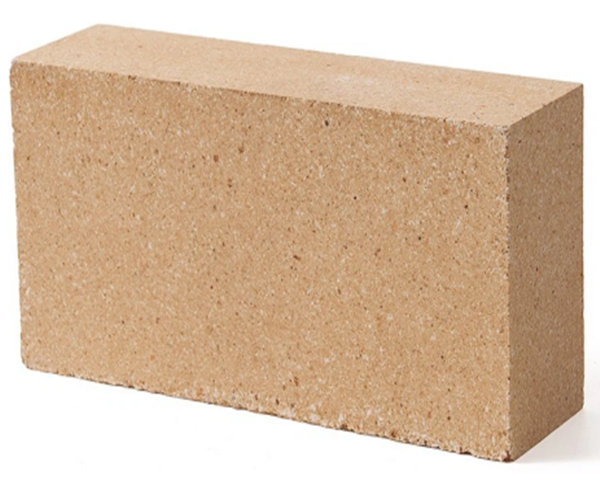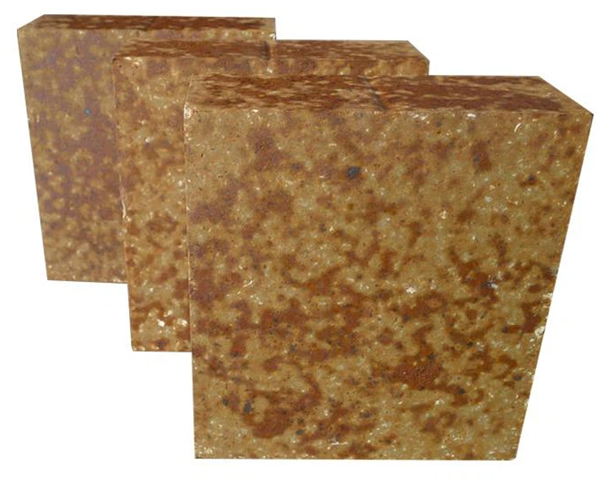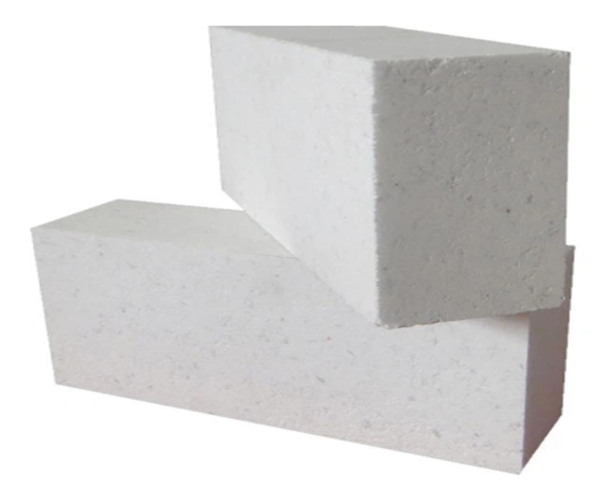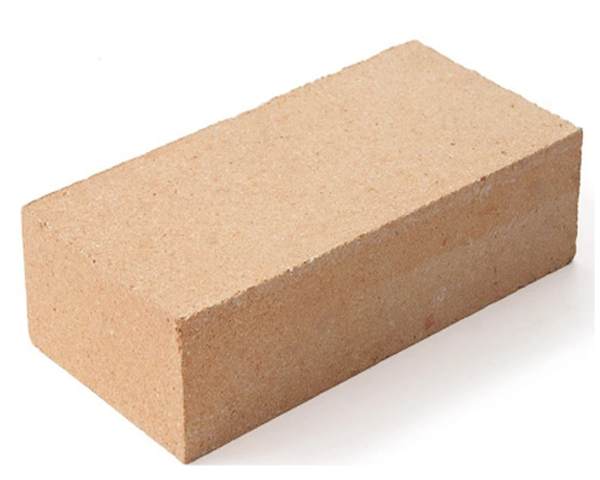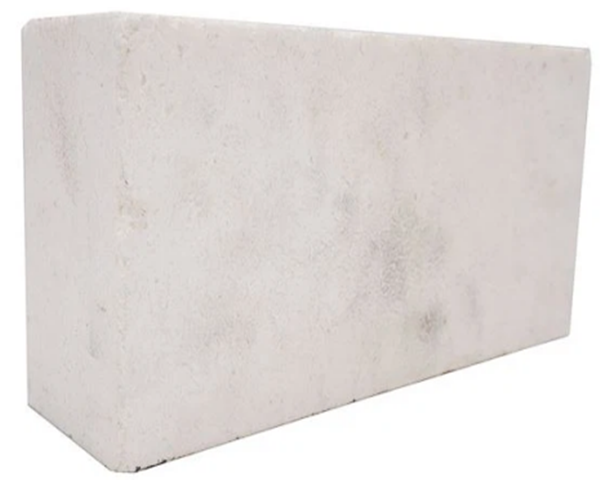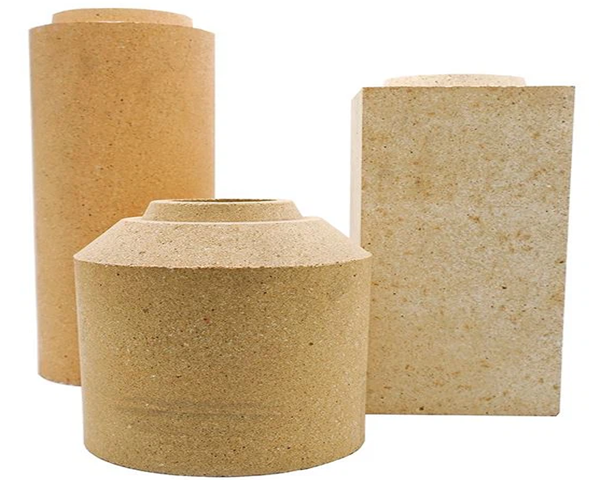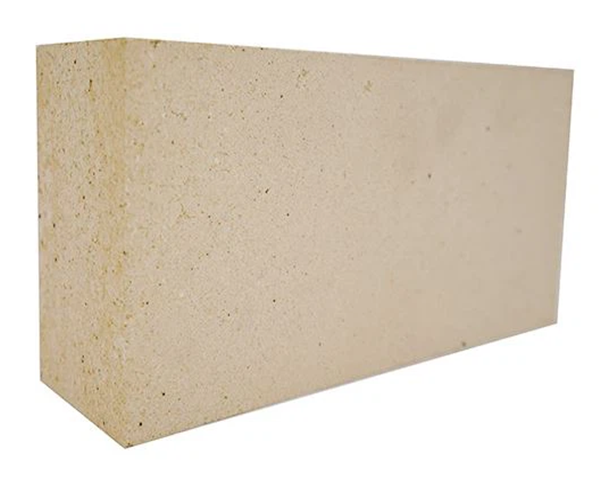
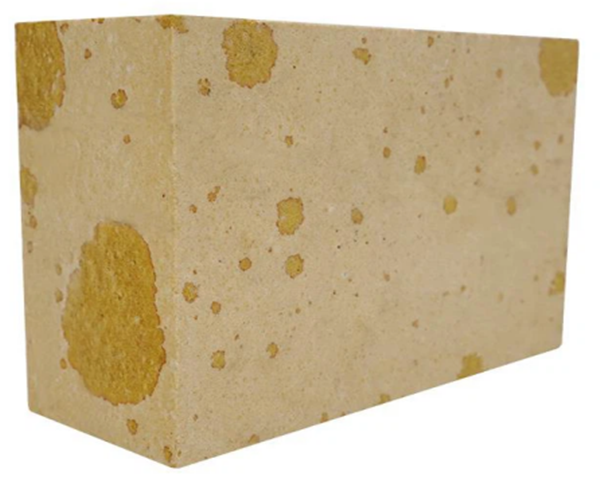
Silica bricks are acidic refractory materials mainly composed of tridymite, cristobalite, and a small amount of residual quartz and glass phase. They are manufactured using SiO2 silica as the raw material, with the addition of mineralizers and binders, through processes such as mixing, molding, drying, and firing. The higher the SiO2 content in the silica raw material, the higher the refractoriness of the product.
Silica bricks are acidic refractory materials mainly composed of tridymite, cristobalite, and a small amount of residual quartz and glass phase. They are manufactured using SiO2 silica as the raw material, with the addition of mineralizers and binders, through processes such as mixing, molding, drying, and firing. The higher the SiO2 content in the silica raw material, the higher the refractoriness of the product.
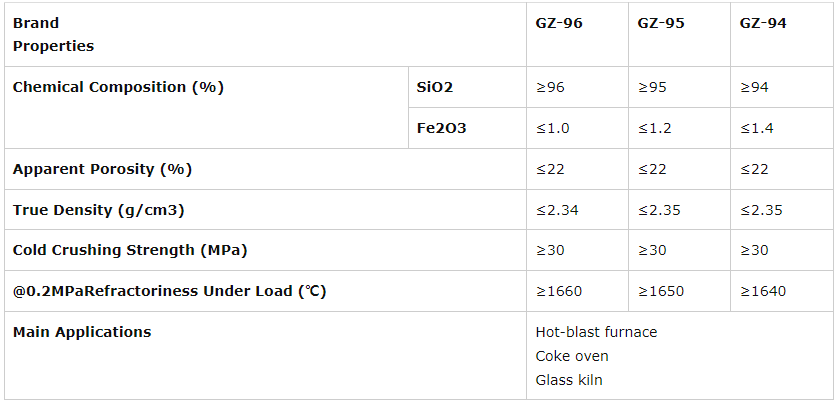
一.Physical And Chemical Indicators of Silica Brick
二.Characteristics of Silica Bricks:
1. Ultra-high temperature resistance: Silica bricks possess excellent high-temperature stability, with a long-term service temperature of up to 1750°C. They maintain structural integrity and mechanical strength under high-temperature conditions, making them suitable for various ultra-high temperature furnaces and kilns.
2. Strong resistance to acidic media: They exhibit significant resistance to acidic media such as acidic slag and acidic flue gas, and are not prone to chemical reactions and structural erosion. They are the preferred refractory material for acidic working conditions and can stably withstand the corrosive damage of acidic environments for a long time.
3. Good thermal shock stability: They have excellent resistance to temperature fluctuations and can withstand rapid heating and cooling conditions. They are not prone to cracking or spalling due to thermal stress, ensuring the operational stability of the furnace body in scenarios with frequent temperature changes.
4. Excellent chemical corrosion resistance: They have outstanding chemical stability and strong resistance to most acidic substances and salt media. They can effectively resist the corrosive effects of these media, extending the service life of the material in complex chemical environments.
三.Classification of of Silica Bricks:
1. Standard Silica Bricks: As the basic product in the silica brick range, these bricks are made from natural quartz sand or high-quality siliceous raw materials, using traditional molding and sintering processes. They possess basic refractory properties and economic advantages, making them suitable for lining various general industrial furnaces and meeting the needs of conventional medium-to-high temperature applications.
2. Dense Silica Bricks: Prepared using high-density molding and deep sintering processes, their core characteristics are high bulk density and low apparent porosity (usually ≤12%). They combine excellent thermal conductivity and wear and erosion resistance, and are designed for applications with stringent requirements for thermal efficiency and structural wear resistance. They are suitable for critical load-bearing parts of furnaces and kilns, and areas subject to high media erosion.
3. Semi-Dense Silica Bricks: Compared to dense silica bricks, the porosity is moderately increased (generally 12%-18%), but they still maintain stable refractory strength and high-temperature performance. They offer significant cost-effectiveness in medium-to-low temperature furnace sections and non-critical load-bearing areas where high-density structural support is not required, making them an economical choice that balances performance and cost control.
4. Micro-Expanding Silica Bricks: Through formula optimization and process control, these bricks exhibit controllable micro-expansion characteristics in high-temperature service environments (above 1000℃). The linear expansion rate is maintained within a reasonable range, effectively compensating for volume deformation caused by thermal expansion and contraction of the furnace body, reducing the generation of lining gaps and cracks, and ensuring the sealing and integrity of the furnace structure.
5. Lightweight Silica Bricks: Using expanded perlite, vermiculite, and other lightweight porous aggregates as the main raw materials, and formed through special foaming or porous processes, these bricks have the core advantages of low bulk density (≤1.5g/cm³) and low thermal conductivity. Their core function focuses on thermal insulation and heat loss control, and they are widely used in furnace insulation layers, flue linings, and furnace interlayers, and other areas requiring high thermal insulation.
6. Acid-Resistant Silica Bricks: Formulated for acidic conditions, these bricks utilize selected high-purity silica raw materials and optimized mineral phase composition. They exhibit strong resistance to acidic slag, acidic flue gas, and various acidic chemical media, possessing outstanding chemical stability. They are suitable for corrosive environments such as chemical reactors, metallurgical acid smelting furnaces, and acidic wastewater treatment equipment.
7. Alkali-Resistant Silica Bricks: Designed specifically for alkaline environments, these bricks incorporate alkali-resistant components (such as special oxides) to form a stable protective structure. They effectively resist chemical corrosion from alkaline slag, alkaline gases, and alkaline solutions, and are suitable for lining kilns in alkaline conditions such as cement rotary kilns, alkaline smelting furnaces, and alkali solution treatment equipment.
8. High-Purity Silica Bricks: Made from ultra-high-purity silica (SiO₂ content ≥99.5%), the manufacturing process strictly controls impurity content. They possess excellent chemical inertness and high-temperature stability, with no harmful impurities leaching out. They are suitable for special industrial furnaces, precision smelting equipment, and high-end chemical reaction devices that require strict material purity and cleanliness.
9. Electrofused Silica Bricks: Produced using a high-temperature electric arc furnace melting (above 2000℃) and casting process, these bricks have a uniform and dense crystal structure, high bulk density, and stable mechanical properties. Their high-temperature resistance and structural reliability are significantly superior to ordinary sintered silica bricks. They can withstand the dual challenges of ultra-high temperature and high load conditions, making them the preferred lining material for large industrial furnaces and critical high-temperature core areas.
10. Refractory Clay Silica Bricks: Combining the core performance advantages of refractory clay and silica, these bricks inherit the high-temperature resistance of silica while incorporating the good plasticity and thermal shock resistance of refractory clay. While ensuring reliable refractory performance, they effectively reduce production costs, offering a moderate cost-effectiveness. They are suitable for furnace linings, flues, and transition zone masonry in medium-to-high temperature conventional working conditions.
We have recommended some of our Related products to you. I hope you will be interested.