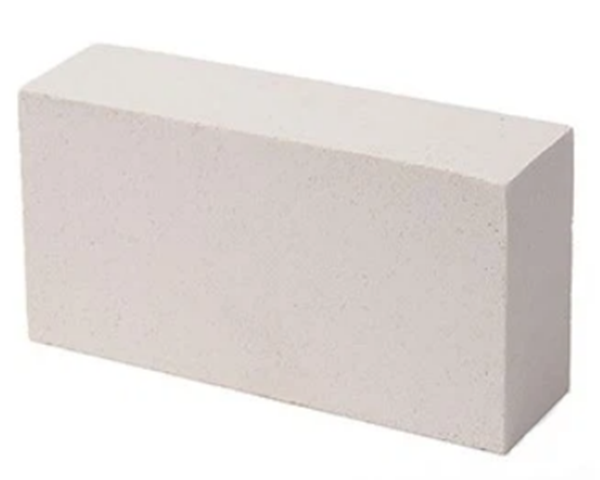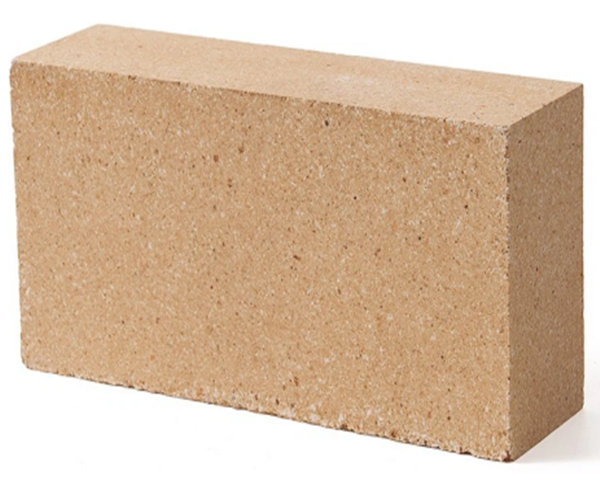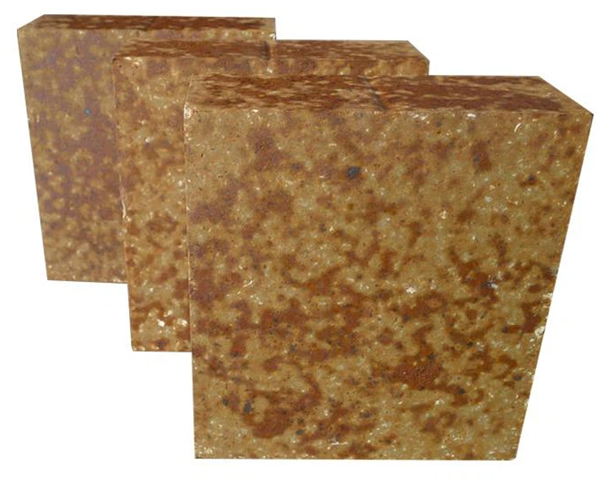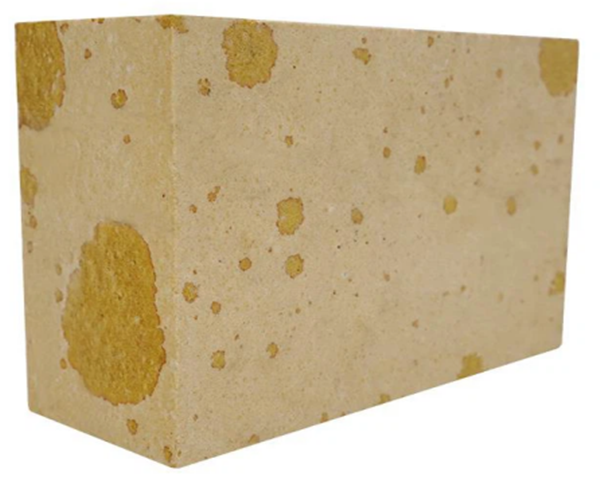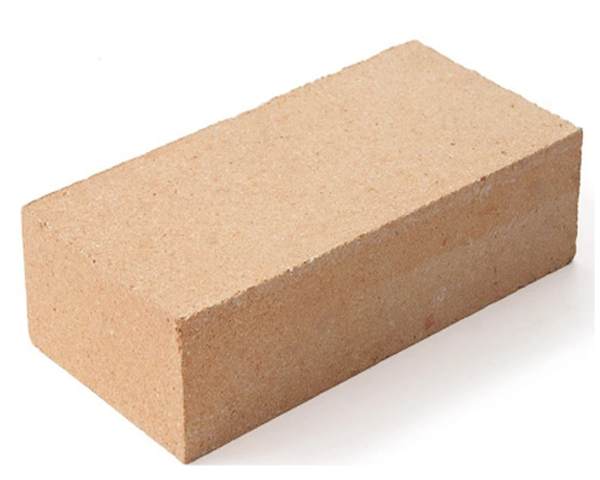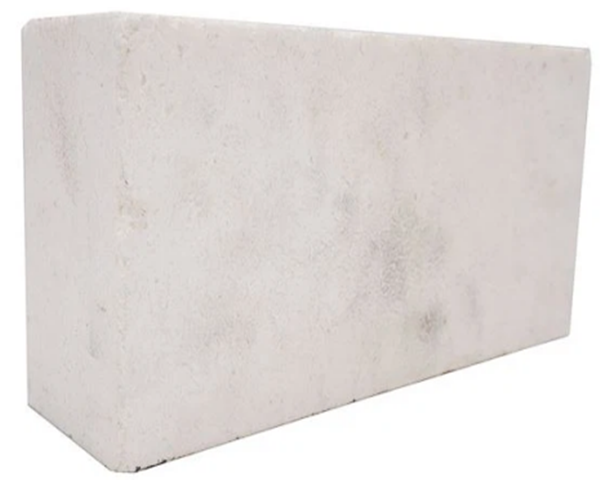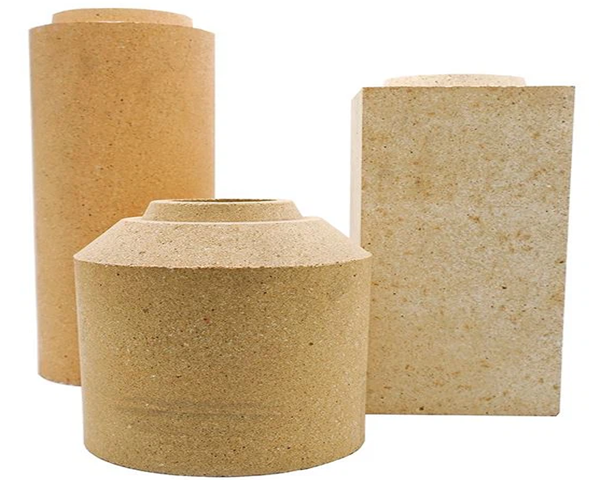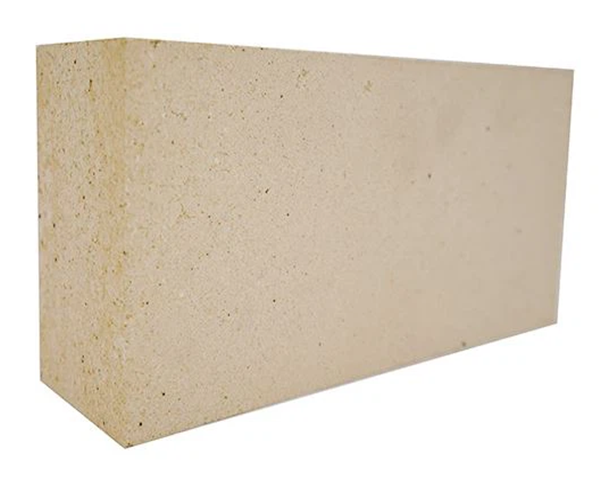
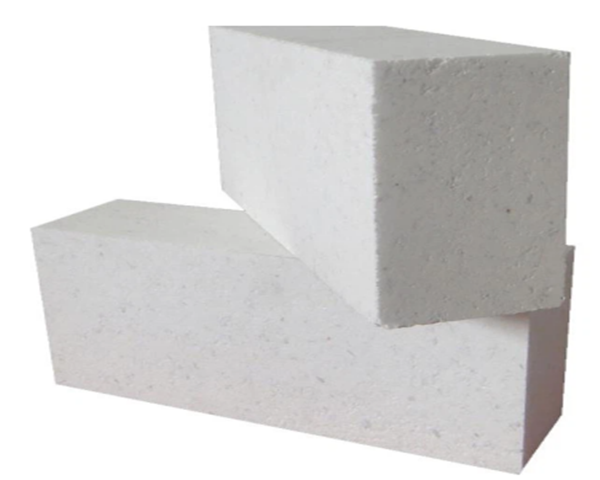
Corundum bricks are refractory materials with an alumina content greater than 90%, primarily composed of α-Al2O3 (corundum). They are high-performance special refractory materials manufactured through precise proportioning, high-pressure molding, and high-temperature sintering (1600-1800℃). They possess excellent properties such as low-temperature resistance, high hardness, high strength, oxidation resistance, corrosion resistance, electrical insulation, and good airtightness.
Corundum bricks are refractory materials with an alumina content greater than 90%, primarily composed of α-Al2O3 (corundum). They are high-performance special refractory materials manufactured through precise proportioning, high-pressure molding, and high-temperature sintering (1600-1800℃). They possess excellent properties such as low-temperature resistance, high hardness, high strength, oxidation resistance, corrosion resistance, electrical insulation, and good airtightness.
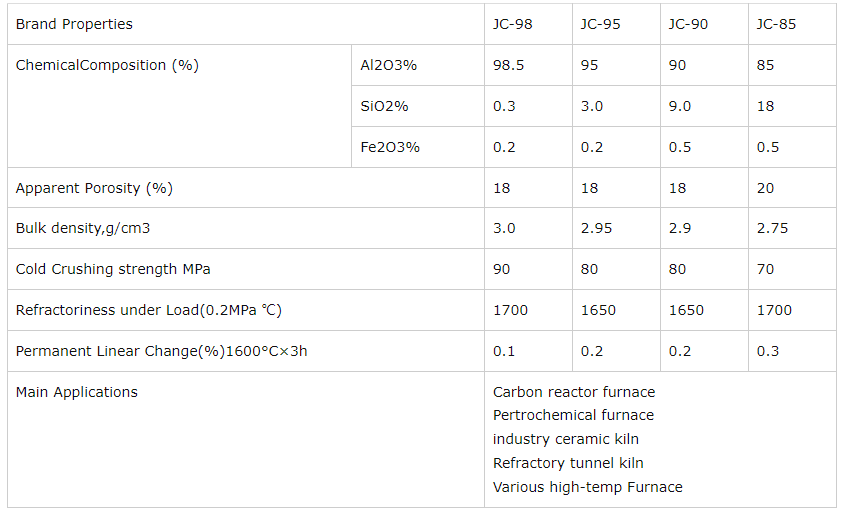
一.Physical And Chemical Indicators of corundum brick
二.The main materials of corundum bricks include:
Brown Corundum Bricks: Made from bauxite as the main raw material, with coke (or anthracite) as a reducing agent and fuel, melted and refined at a high temperature of 2000℃ in an electric arc furnace, followed by shaping and sintering processes.
White Corundum Bricks: Made from high-purity alumina powder (α-Al₂O₃ content ≥99%) as the core raw material, prepared through high-temperature melting (usually above 2000℃), casting, or sintering processes. The product boasts outstanding purity and high-temperature resistance.
High-Alumina Corundum Bricks: Using high-quality high-alumina bauxite (Al₂O₃ content ≥85%) as the main raw material, processed in an ultra-high-temperature electric furnace at 2500℃ using special processes such as directional melting and solid-phase sintering, significantly improving the corundum phase content and structural density.
Zirconia Corundum Bricks: Using high-quality bauxite and zircon sand (ZrSiO₄) as composite raw materials, melted in a 2500℃ high-temperature electric furnace to form a stable composite phase of ZrO₂ and Al₂O₃. Through casting or sintering, it combines the high-temperature resistance of corundum with the thermal shock resistance of zirconia.
Single-Crystal Corundum (32A Abrasive): Using bauxite as the basic raw material, precisely adding an appropriate amount of sulfides (such as iron sulfide, aluminum sulfide) as a mineralizer, and then undergoing high-temperature melting and refining to form an electrofused alumina abrasive with a single-crystal structure, exhibiting excellent crystal integrity and hardness.
Microcrystalline Corundum: Using high-grade bauxite as the main raw material, after high-temperature melting (above 2000℃), the crystallization process is controlled through a rapid quenching process to obtain a microcrystalline corundum material with fine grains and a uniform structure, significantly improving impact resistance and wear resistance.
三. Applications of Corundum Bricks
1. Metallurgical industry: Used as lining materials for smelting equipment such as blast furnaces, converters, electric arc furnaces, and ladles, and for the construction of hot blast stoves.
2. Construction industry: Used as refractory materials for industrial furnaces, heat treatment furnaces, glass kilns, kilns, and cement kilns.
3. Chemical industry: Used as corrosion-resistant materials for heating furnaces, reactors, and hydrogenation reactors in petroleum refining and chemical production processes.
4. Mining industry: Used for the construction of metallurgical furnaces and in applications requiring resistance to acid and corrosive materials.
We have recommended some of our Related products to you. I hope you will be interested.