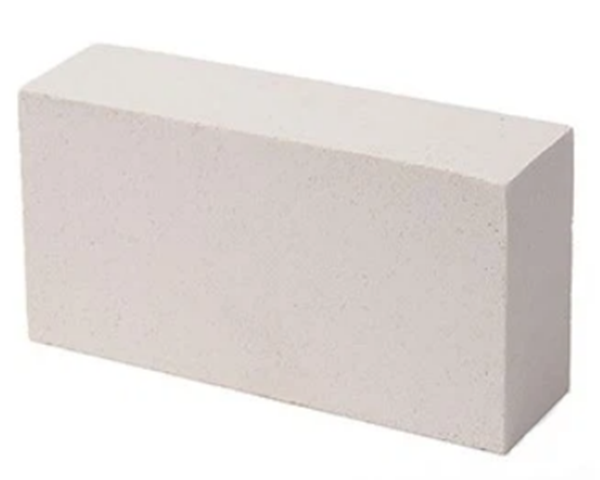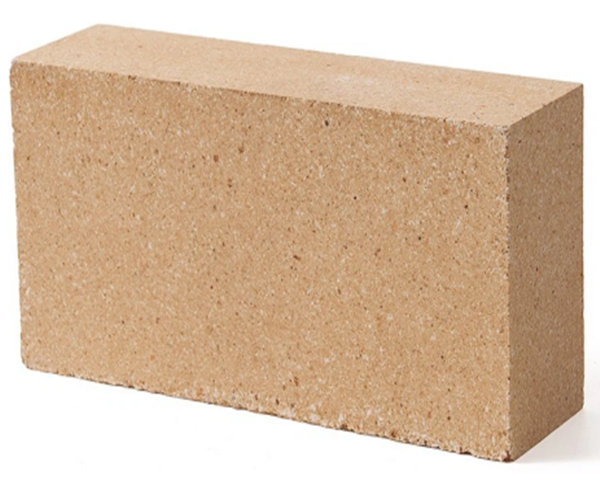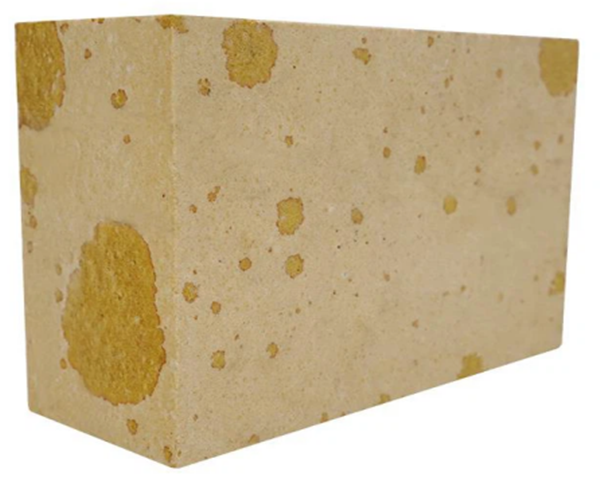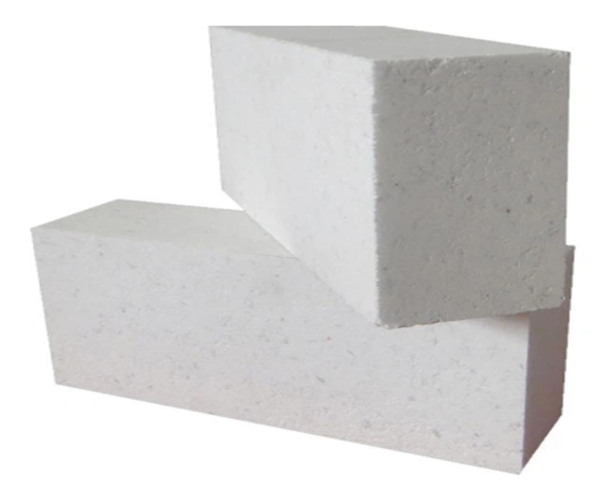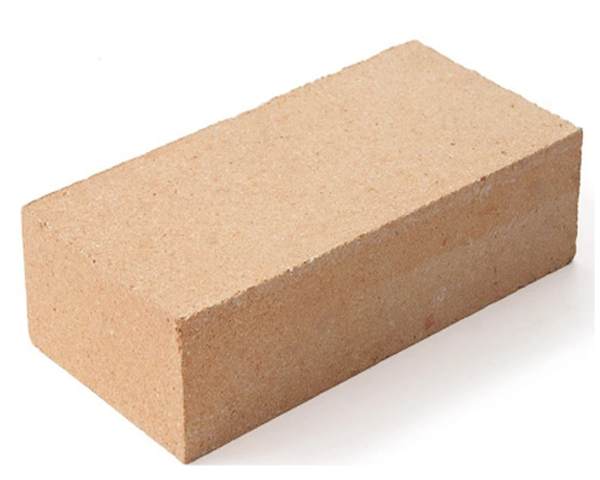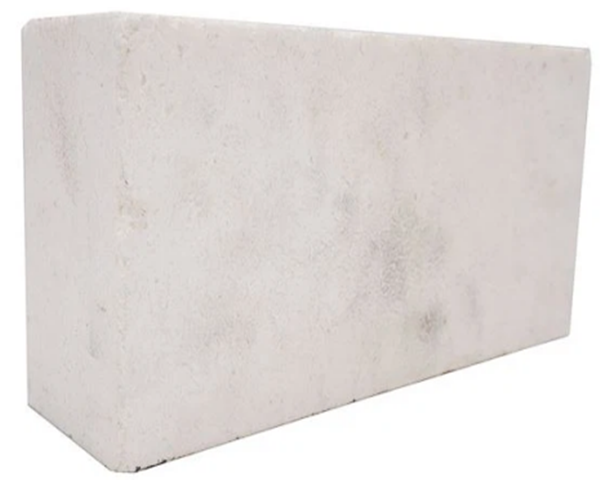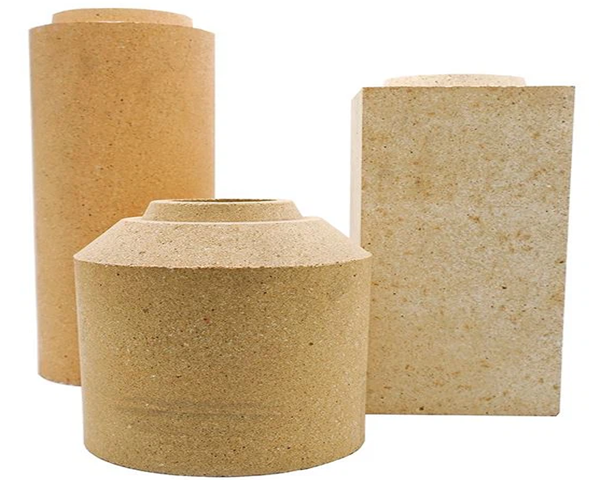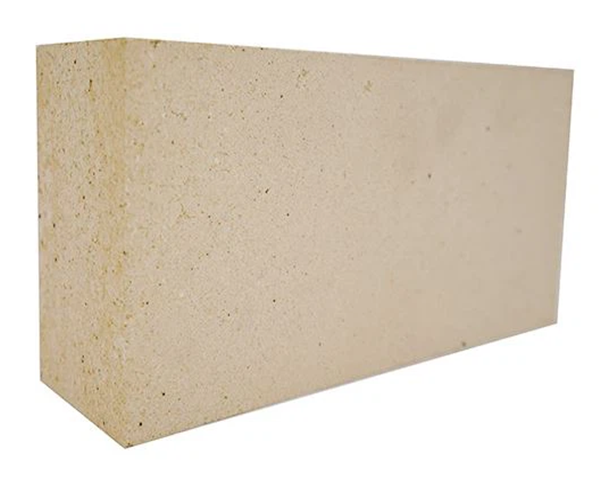
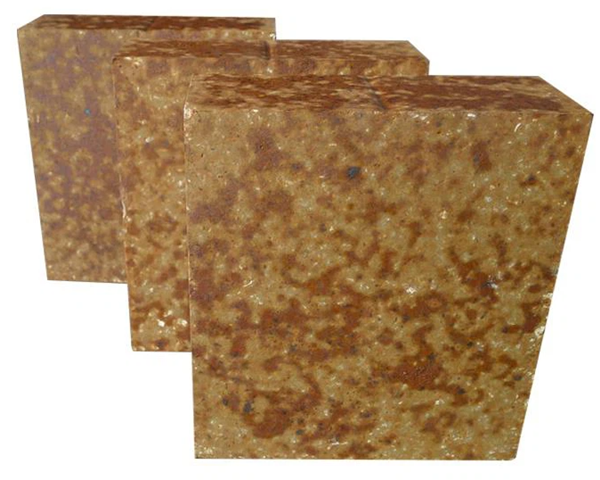
Silicon carbide-mullite bricks are refractory bricks made primarily from high-grade bauxite clinker, andalusite, silicon carbide, and high-quality homogenized bauxite, formed under high pressure and fired at high temperatures. They possess advantages such as high compressive strength and structural strength at high temperatures, good thermal shock stability, the ability to continuously form a protective layer during use, good wear resistance, and strong resistance to spalling.
Silicon carbide-mullite bricks are refractory bricks made primarily from high-grade bauxite clinker, andalusite, silicon carbide, and high-quality homogenized bauxite, formed under high pressure and fired at high temperatures. They possess advantages such as high compressive strength and structural strength at high temperatures, good thermal shock stability, the ability to continuously form a protective layer during use, good wear resistance, and strong resistance to spalling.
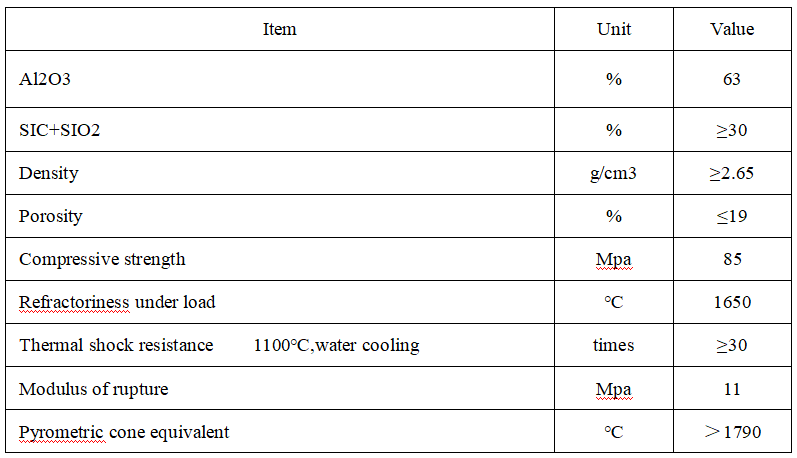
一.Physical And Chemical Indicators of Silicon mullite brick
二.Performance Characteristics
1. High-temperature stability: Able to maintain its structural stability at extremely high temperatures. It has a high load softening temperature and excellent high-temperature performance.
2. Low thermal expansion: Silicon carbide bricks have a relatively low thermal expansion coefficient, which helps reduce thermal stress during temperature changes.
3. Chemical corrosion resistance: Silicon carbide bricks generally have good chemical corrosion resistance and can remain stable in corrosive media such as acids and alkalis.
4. Thermal shock stability: Excellent thermal shock stability, able to maintain integrity under rapid temperature changes without cracking easily.
5. Mechanical strength: Possesses moderate mechanical strength, sufficient to withstand certain mechanical stress. The product has a dense structure and good wear resistance.
三.Applications
1. Metallurgical Industry: As a core refractory material in high-temperature metallurgical applications, silicon carbide bricks, with their excellent high-temperature stability and structural strength, are widely used in the construction of furnace linings and bottom anti-seepage layers of steel smelting furnaces, as well as key parts of the inner lining of aluminum electrolytic cells. They can withstand high-temperature molten metal erosion and thermal shock during the smelting process for extended periods.
2. Ceramic Industry: In the high-temperature firing stage of ceramic production, silicon carbide bricks are suitable for the operating conditions of kilns and sintering furnaces, and are often used to make furnace insulation walls, high-temperature partitions, and kiln lining. They effectively maintain temperature uniformity inside the furnace, ensuring the sintering quality and production efficiency of ceramic blanks.
3. Glass Industry: For equipment such as glass kilns and melting tanks that operate at temperatures above 1500°C for extended periods, silicon carbide bricks can be used as the main structural material for the furnace lining, walls, roof, and flow channel lining. Their good resistance to glass melt erosion and thermal insulation properties extend the service life of the kiln and reduce energy consumption.
4. Electronics Industry: In precision electronics industries such as semiconductor chip manufacturing and optical fiber drawing, silicon carbide bricks, with their low impurity precipitation characteristics and high-temperature stability, can be used as lining materials and core area protective layers for high-temperature process equipment, providing a clean and stable environment for the high-temperature processing of precision components.
5. Chemical Industry: For high-temperature reactors, catalytic combustion furnaces, and cracking furnaces in chemical production, silicon carbide bricks can withstand high temperatures, corrosive gases, and media erosion during the reaction process. They are suitable for lining the furnace chamber and the inner wall of the flue, ensuring the continuous and stable operation of chemical processes.
We have recommended some of our Related products to you. I hope you will be interested.