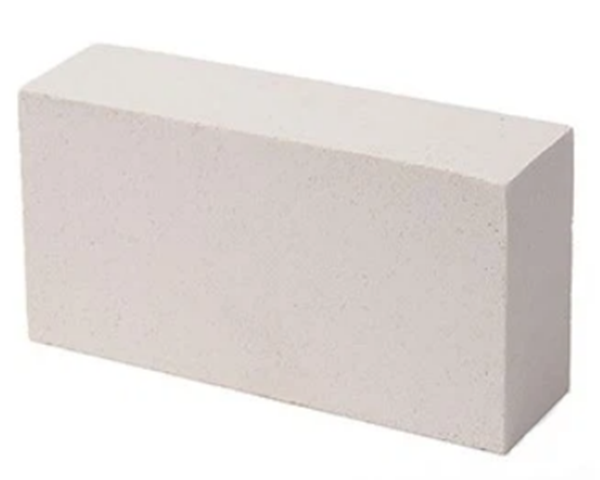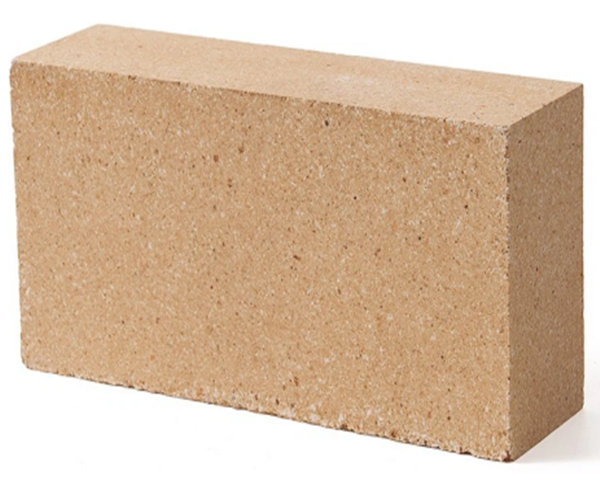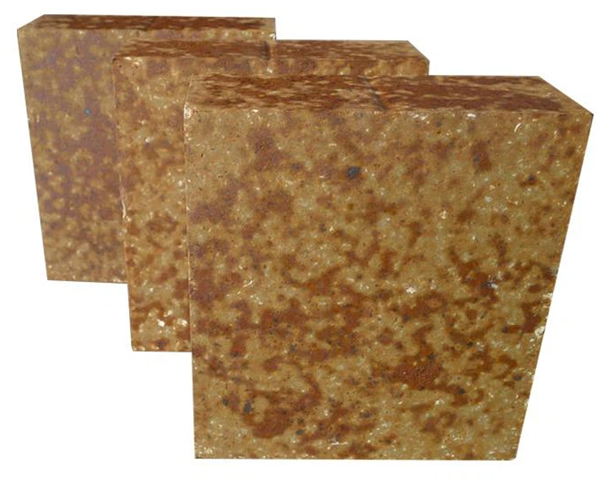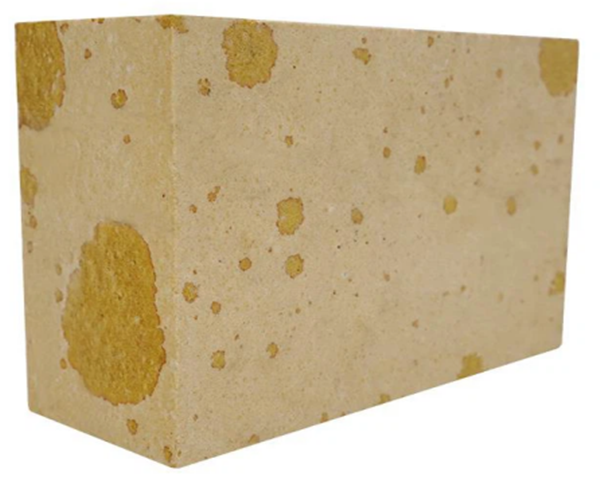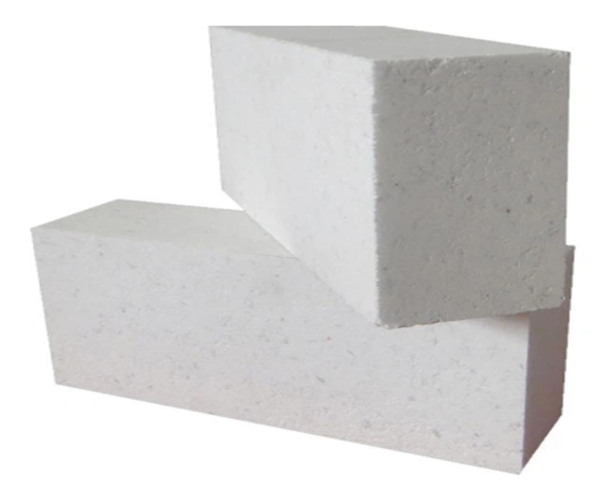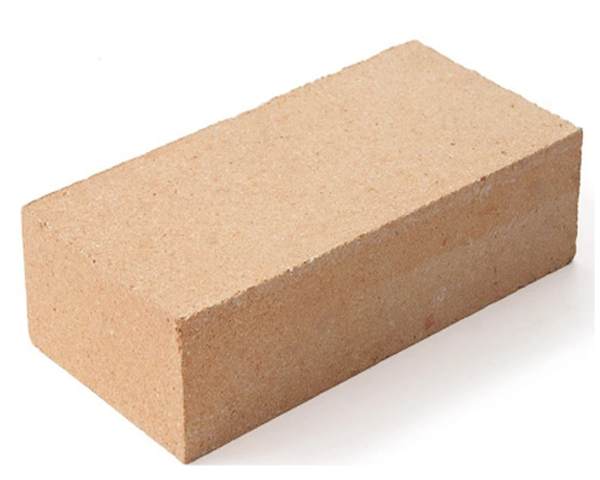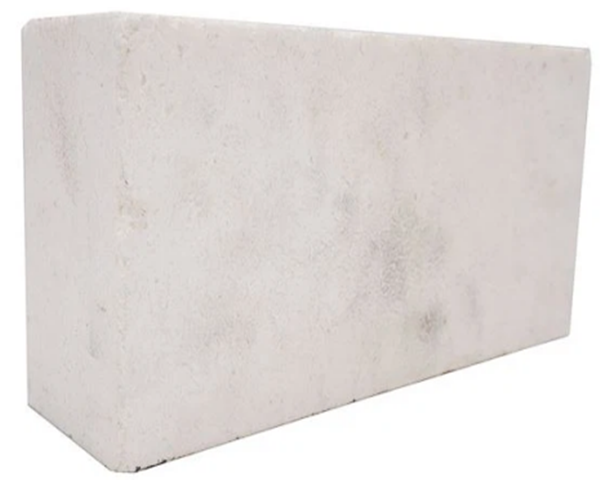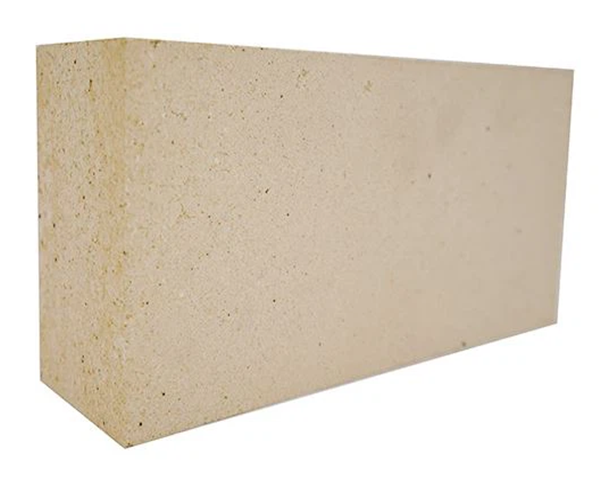
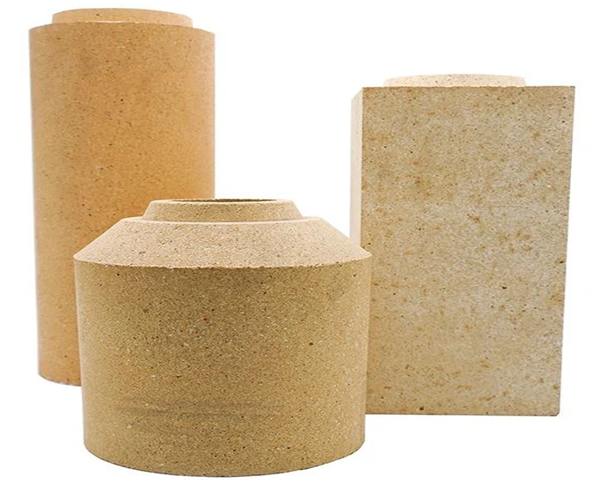
Runner brick are a type of functional refractory material specifically designed for continuous casting and ingot casting processes in steelmaking. Their core function is to guide the smooth flow of molten steel, separate steel streams, and protect critical parts of the equipment, preventing splashing, leakage, or contamination of the molten steel. They serve as a "critical channel" connecting the steelmaking furnace to the casting mold/ingot, directly impacting the continuity of steel production and the quality of the cast product.
Runner brick are a type of functional refractory material specifically designed for continuous casting and ingot casting processes in steelmaking. Their core function is to guide the smooth flow of molten steel, separate steel streams, and protect critical parts of the equipment, preventing splashing, leakage, or contamination of the molten steel. They serve as a "critical channel" connecting the steelmaking furnace to the casting mold/ingot, directly impacting the continuity of steel production and the quality of the cast product.
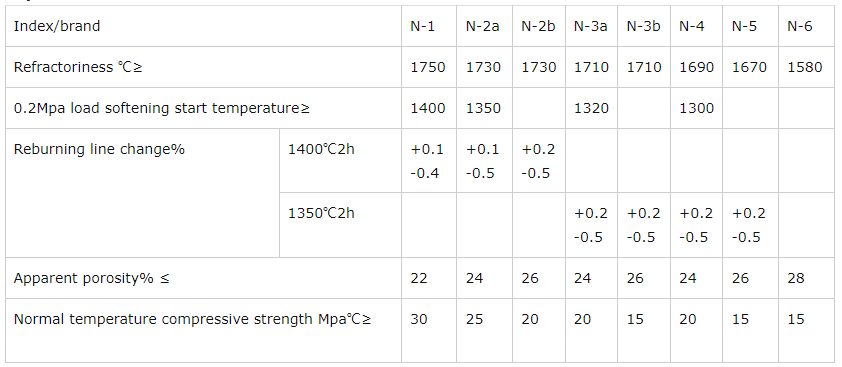
一.Physical And Chemical Indicators of runner brick
二.Characteristic of runner brick
1) Extremely strong resistance to molten steel corrosion: High-alumina and corundum aggregates exhibit outstanding chemical stability, resisting dissolution and erosion by high-temperature molten steel (1500-1600℃), while also preventing elements such as Mn and S in the molten steel from reacting with the brick body, reducing brick erosion and molten steel contamination;
2) Excellent resistance to erosion and abrasion: The dense microstructure and high mechanical strength (compressive strength at room temperature ≥60MPa) can withstand the scouring and impact of high-speed molten steel flow (flow rate up to 2-5m/s), preventing the brick body from thinning or spalling due to erosion;
3) Good high-temperature stability: Refractoriness ≥1790℃, load softening start temperature ≥1550℃, does not melt or soften at high temperatures, and has no significant creep deformation, ensuring long-term maintenance of channel dimensional accuracy and guaranteeing stable steel flow;
Excellent thermal shock resistance: Moderate linear expansion coefficient (approximately 0.7%-0.9% at 1200℃), thermal shock stability ≥12 cycles (water cooling), can withstand sudden temperature changes before and after molten steel casting, reducing crack formation;
4) Low porosity and good sealing: Apparent porosity ≤16%, the dense structure reduces molten steel penetration channels, and also ensures the sealing of the assembly between the brick body and the equipment, and between the bricks themselves, preventing molten steel leakage or air ingress leading to molten steel oxidation;
Anti-clogging properties: High surface smoothness, and added modifying components reduce the adhesion of molten steel and slag to the brick surface, reducing slag buildup (steel slag adhesion), and preventing molten steel flow blockage.
三.Application of runner bick
1). Continuous Casting Process (Core Application Area)
As a "critical component in the steel flow channel" in continuous casting production, it directly affects the quality of the cast billet and the continuity of production:
Tundish System (Core Adaptation Area)
Flow Control Bricks: The core flow guide at the bottom of the tundish, precisely guiding the molten steel from the tundish into the mold, ensuring a uniform and stable steel flow, and preventing splashing or turbulence;
Slag Dam Bricks / Partition Bricks: Separating molten steel from slag, preventing slag from entering the mold, reducing inclusion defects in the cast billet, and improving the purity of the molten steel;
Nozzle Seat Bricks: Fixing the immersion nozzle, ensuring a sealed connection between the nozzle and the tundish, preventing molten steel leakage or air ingress leading to secondary oxidation;
Impact Plate Bricks: Withstanding the direct impact of molten steel injected from the ladle, resisting high-speed erosion and high-temperature corrosion, and protecting the bottom structure of the tundish.
Mold Periphery
Protective Slag Guiding Bricks: Guiding the protective slag to evenly cover the surface of the molten steel, isolating air, absorbing inclusions, and assisting in the stable solidification of the molten steel;
Mold Lining Bricks: Adapting to the high-temperature environment at the edge of the mold, resisting molten steel erosion and sudden temperature changes, and ensuring the structural stability of the mold.
2). Ingot Casting Process (Traditional Casting Core Adaptation)
Adapting to the multi-channel and high-stability requirements of ingot mold casting:
Ingot Mold Accessories
Pouring Gate Bricks: The key channel connecting the ladle and the ingot mold, guiding the molten steel to flow smoothly into the mold, preventing pouring gate blockage or molten steel splashing;
Steel Distribution Bricks: Enabling simultaneous casting of multiple molds from a single ladle, evenly distributing the molten steel flow rate, and ensuring the consistency of multiple ingot formations;
Flow Channel Lining Bricks: Laid in the flow channel between ingot molds, protecting the channel structure and resisting molten steel erosion and corrosion.
Ingot Pit / Casting Area
Flow Channel Lining Bricks: Constructing the molten steel conveying channel in the ingot pit, protecting the refractory layer of the pit, and preventing molten steel leakage causing safety hazards;
Flow Guiding Bricks: Assisting in the rapid and stable start of molten steel flow, reducing temperature loss and oxidation during the initial stage of casting.
3). Extended Application Fields
Special Steel and Alloy Smelting
Flow control bricks for stainless steel and alloy steel casting: Utilizing low-impurity, high-purity formulations (such as corundum-silicon carbide composite materials) to reduce the reaction between the brick and molten steel, ensuring the purity of special steel components;
High-temperature alloy casting: Suitable for ultra-high temperature conditions above 1600℃, using ZrO₂ modified formulations to improve corrosion resistance and high-temperature stability.
Non-ferrous Metal Smelting
Channel bricks for copper, aluminum, and zinc alloy casting: Using specialized corrosion-resistant formulations tailored to the characteristics of non-ferrous metal melts (such as the easy penetration of aluminum liquid and the strong corrosiveness of copper liquid), preventing melt contamination and brick erosion;
Non-ferrous metal continuous casting machines: Tundish flow control bricks and lining bricks around the crystallizer, ensuring the quality of non-ferrous metal billet formation.
Foundry Industry
Large casting pouring: Gating bricks and flow channel bricks for heavy machinery and machine tool castings, ensuring stable flow and filling of large volumes of molten steel, reducing casting defects such as porosity and shrinkage cavities;
Precision casting: Flow control bricks adapted for thin-walled, complex structure castings, precisely controlling the molten steel flow rate and improving casting accuracy.
We have recommended some of our Related products to you. I hope you will be interested.