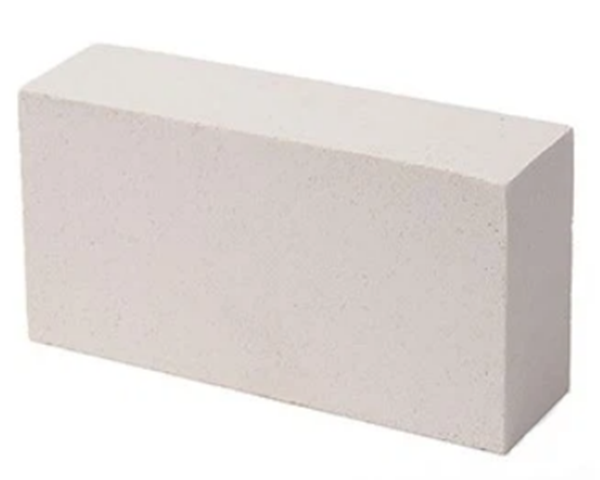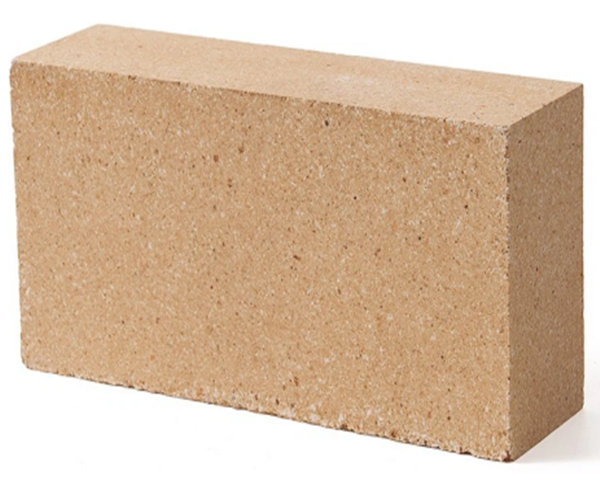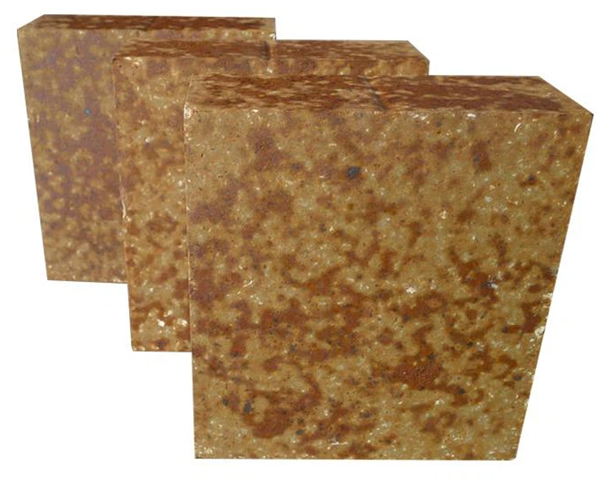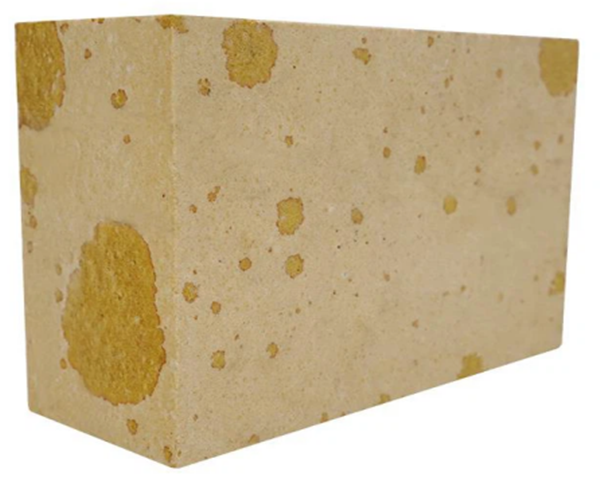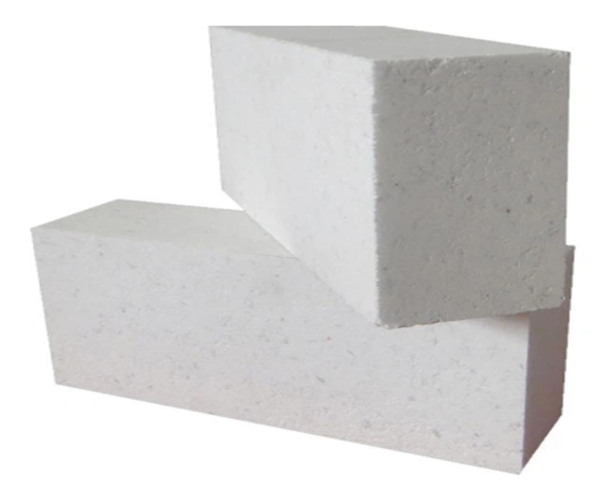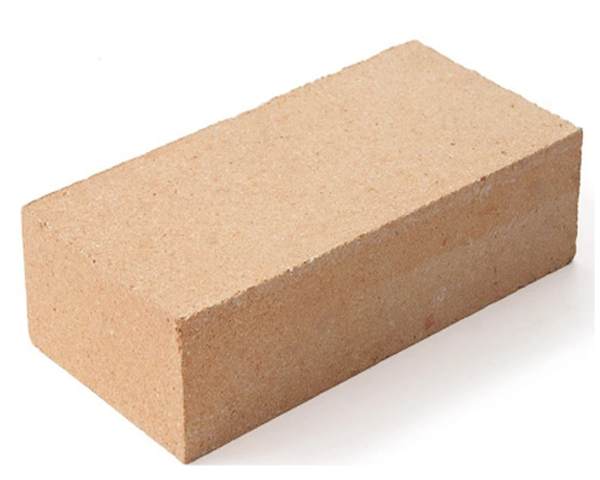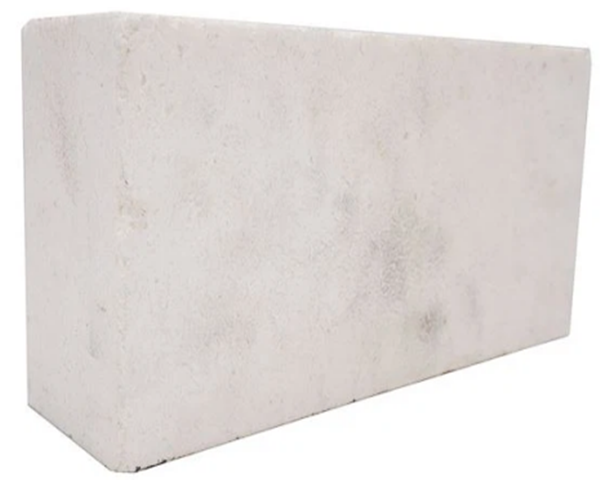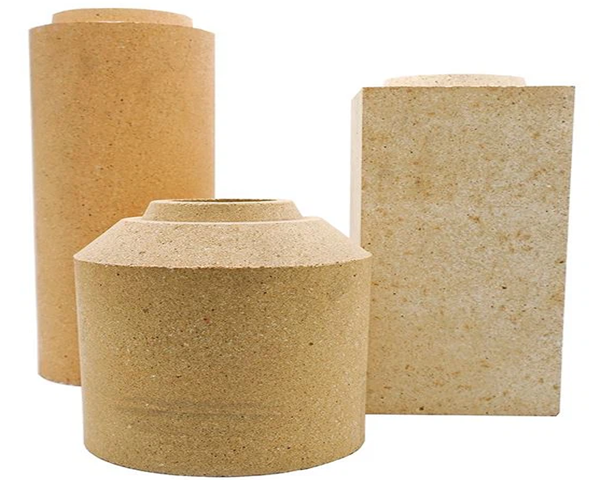
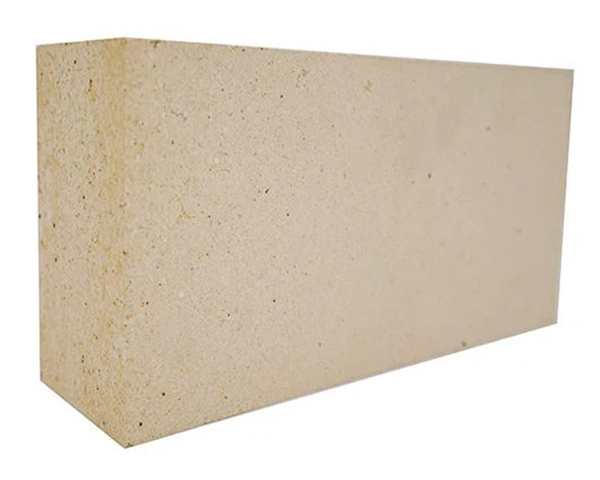
Low-porosity clay bricks are made from three raw materials: dead-burned clay clinker, dead-burned bonding clay, and white bauxite. These materials are crushed into particles of 5-3mm, 3-1mm, and ≤0.088mm respectively, and then mixed with six other additives to form six different clay mixtures. After mixing the granules, binder, and fine powder uniformly, the mixture is pressed into brick blanks using a standard brick mold on a 260T friction press, with 6-8 strokes. The brick blanks are then dried in a drying kiln at 110°C for 16 hours. Once the moisture content of the brick blanks is less than 1%, they are fired in a tunnel kiln.
Low-porosity clay bricks are made from three raw materials: dead-burned clay clinker, dead-burned bonding clay, and white bauxite. These materials are crushed into particles of 5-3mm, 3-1mm, and ≤0.088mm respectively, and then mixed with six other additives to form six different clay mixtures. After mixing the granules, binder, and fine powder uniformly, the mixture is pressed into brick blanks using a standard brick mold on a 260T friction press, with 6-8 strokes. The brick blanks are then dried in a drying kiln at 110°C for 16 hours. Once the moisture content of the brick blanks is less than 1%, they are fired in a tunnel kiln.
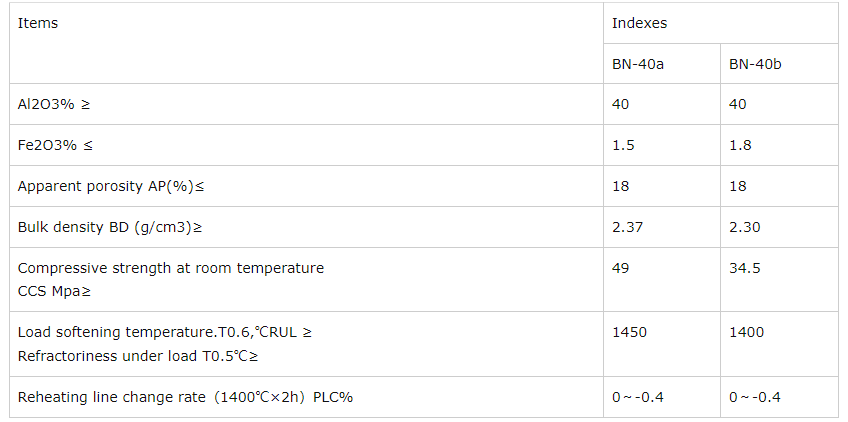
一.Physical And Chemical Indicators of Low-porosity clay bricks
二.Characteristic of Low-porosity clay bricks
High Density and Low Porosity (Core Characteristics): Apparent porosity ≤18% (high-end models 12%-15%), bulk density ≥2.2 g/cm³, dense brick structure with few and evenly distributed pores, significantly reducing penetration channels for external media;
Strong Erosion and Penetration Resistance: The dense structure effectively resists erosion and penetration by slag, molten glass, and acid-base media, reducing chemical corrosion loss, suitable for harsh high-temperature working conditions containing slag and dust;
High Wear Resistance and Strong Mechanical Properties: Compressive strength at room temperature ≥40 MPa, compressive strength at 1200℃ ≥25 MPa, wear resistance far exceeding ordinary clay bricks, able to withstand material particle erosion and mechanical friction, significantly reducing wear rate;
Stable High-Temperature Performance: Refractoriness reaches 1710-1770℃, load softening start temperature 1380-1430℃, does not melt or soften at medium and high temperatures, stable structure, suitable for core working conditions of 1300-1500℃;
Good Thermal Stability: Moderate linear expansion coefficient (0.6%-0.8% at 1200℃), thermal shock stability ≥8 cycles (water cooling), able to withstand thermal stress caused by sudden temperature changes, reducing cracking and spalling;
Energy-Saving and Insulation Advantages: The dense structure results in a lower thermal conductivity than ordinary clay bricks, providing insulation, reducing heat loss from the kiln, and contributing to energy saving and consumption reduction in industrial production.
三.Application of of Low-porosity clay bricks
1). Cement Industry (Main Application Field)
Cement Rotary Kiln: Transition zone, decomposition furnace, and tertiary air duct lining. The low-porosity, dense structure prevents penetration and erosion by cement clinker and alkaline slag. Its wear resistance withstands high-temperature airflow and material abrasion. Compared to ordinary clay bricks, the service life is increased by more than 40%, reducing the frequency of kiln shutdowns for maintenance;
Cement Preheater: C3-C5 cyclone lining bricks and downcomer lining. It withstands high temperatures of 1200-1400℃ and material impact and abrasion. The low-porosity characteristics reduce media penetration loss, ensuring the sealing and thermal efficiency of the preheating system;
Cement Grate Cooler: High-temperature zone lining bricks and refractory materials around the grate plate. It resists high-temperature radiation and mechanical wear from clinker. The dense structure reduces heat loss, contributing to improved clinker cooling efficiency.
2). Metallurgical Industry
Blast Furnace Hot Blast Stove: Regenerator checker bricks and combustion chamber lining. It operates in a long-term high-temperature environment of 1200-1350℃. The low-porosity structure improves resistance to flue gas corrosion and thermal shock stability, preventing spalling and damage of checker bricks due to media penetration, ensuring stable hot blast temperature (up to 1200℃ or more);
Converter/Electric Furnace: Furnace mouth and flue lining bricks. It withstands molten steel splashing erosion and high-temperature flue gas scouring. The dense structure reduces slag penetration, extending the service life of the lining bricks;
Continuous Casting Machine: Refractory lining materials around the crystallizer and in the secondary cooling zone. It resists molten steel erosion and temperature fluctuations. The low-porosity characteristics reduce heat conduction loss, ensuring the quality of the continuous casting billet.
3)Glass Industry
Glass Tank Furnaces: Regenerator checker bricks, flues, and charging port lining bricks, withstand high temperatures of 1300-1450℃ and corrosion from glass melt vapors. The low-porosity structure prevents the penetration of corrosive media, extending the service life of the lining materials; compared to high-alumina bricks and sillimanite bricks, the cost is reduced by approximately 30%, balancing performance and economy;
Glass Fiber Furnaces: Melting pool edges and flue lining bricks, resist corrosion from glass fiber waste and high-temperature flue gases. The dense structure reduces heat loss, contributing to energy saving and consumption reduction.
4). Building Materials and Ceramics Industry
Ceramic Tunnel Kilns and Roller Kilns: Preheating zone and firing zone lining bricks, withstand high temperatures of 1300-1500℃ and abrasion from ceramic blanks. The low-porosity characteristics improve thermal shock resistance and wear resistance, reducing brick cracking and spalling, ensuring uniform kiln temperature, and improving the pass rate of ceramic products;
Refractory Material Tunnel Kilns: Kiln roof, kiln walls, and burner bricks, adapted to their own high-temperature firing conditions. The dense structure resists corrosion from high-temperature media inside the kiln, extending the service life of the kiln itself.
We have recommended some of our Related products to you. I hope you will be interested.