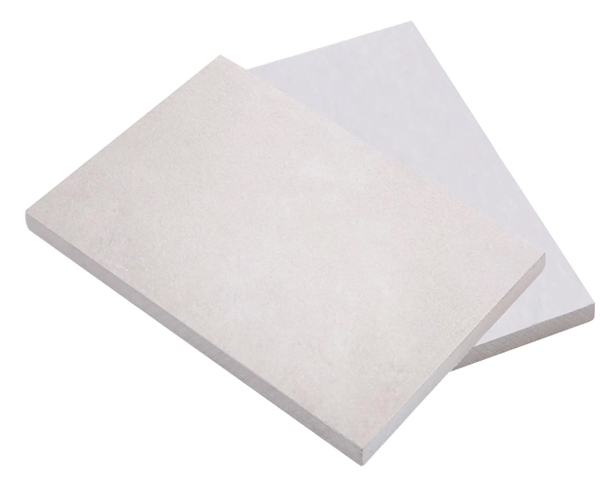
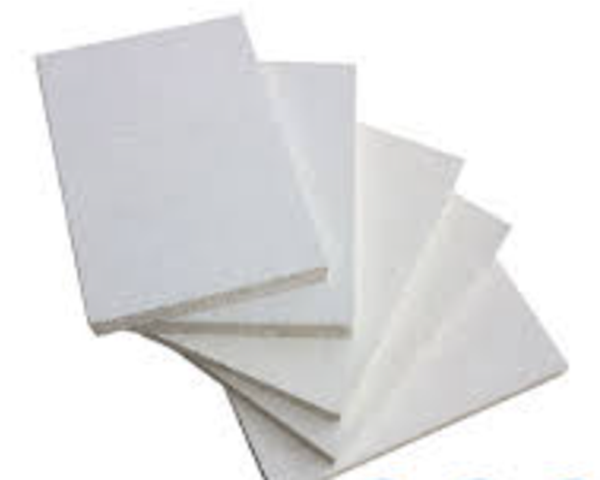
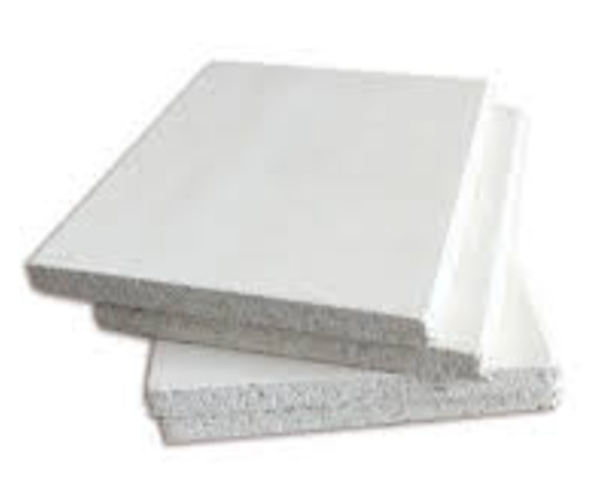
Magnesium oxide fireproof board (also known as fireproof board, magnesium oxide board, lightweight calcium board, magnesium mineral board, calcium silicate board) is made primarily from non-combustible materials such as magnesium oxychloride, magnesium oxide, alkali-resistant fiberglass cloth, and wood chips, processed using a special manufacturing process and a fully automated production line.
Magnesium oxide fireproof board (also known as fireproof board, magnesium oxide board, lightweight calcium board, magnesium mineral board, calcium silicate board) is made primarily from non-combustible materials such as magnesium oxychloride, magnesium oxide, alkali-resistant fiberglass cloth, and wood chips, processed using a special manufacturing process and a fully automated production line.
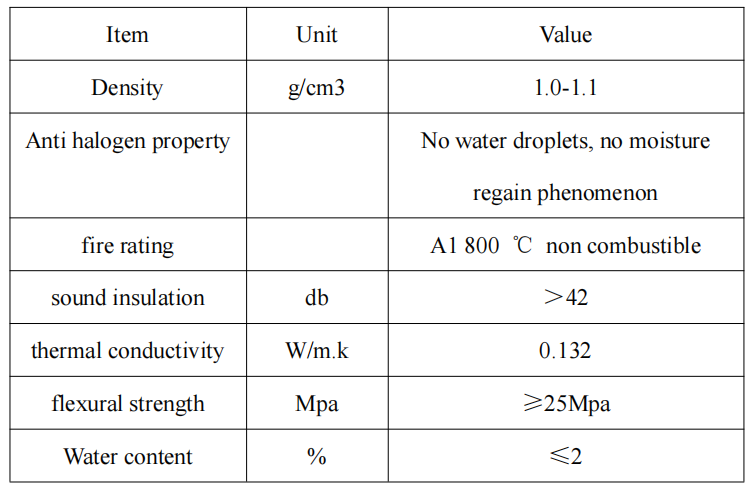
一.Physical And Chemical Indicators of Magnesium oxide fireproof board
二.Uses of Magnesium Oxide Boards
Magnesium oxide boards are widely used in interior decoration of hotels, shopping malls, restaurants, nightclubs, banks, hospitals, supermarkets, office buildings, and residential homes for partitions and ceilings. They are perfectly suited for thermal insulation structures, soundproof walls, movable partitions, high-grade fire protection, fire door core panels, and equipment casing exteriors.
1. Partitions
(1) Boards: Generally, it is recommended to use magnesium oxide boards with a thickness of 6mm or more for partition walls.
(2) Accessories: For boards thicker than 6mm, use 3.5x200mm countersunk screws to fix them to the frame keel. The screw heads should be 0.5mm below the board surface to ensure a smooth finish.
(3) Installation: When starting the installation, the exact position of the keel must be marked. The center distance of thevertical keel should be 450-600mm. Additional keels should be installed at the wall connections and on both sides of doors and windows. If the wall height is greater than 2440mm, supporting keels must be added at the board joints.
(4) Board Spacing: Leave a gap of 4-6mm between adjacent boards. A 5mm gap must be left between the boards and the ground. The screw installation center distance is 150mm, 10mm from the board edge, and 30mm from the board corner.
(5) Hanging: In bathrooms or kitchens where heavy objects are to be hung, the area must be reinforced with wooden boards or keels to prevent damage to the boards.
(6) Joint Treatment: When installing, leave a gap of 4-6mm between the boards. Mix 107 glue or strong adhesive and apply it to the boards and gaps with a spatula, then paste and flatten with paper tape or mesh tape.
(7) Paint Decoration: Spraying, brushing, or rolling can be used, but when brushing, refer to the relevant instructions for the paint. (8) Decorative Tile Facing: When installing in damp areas such as bathrooms, toilets, kitchens, and basements, the distance between the studs must be reduced to 400 mm if tiles are to be applied to the panel surface. An expansion joint must be left every three panels (approximately 3.6 meters) in the wall.
(9) Soundproof Walls: For walls requiring high sound insulation, the wall and panels must be tightly sealed, and mineral wool should be filled into the cavity. Using panels of different thicknesses on both sides of the studs will further improve sound insulation.
(10) Impact-Resistant Walls: It is recommended to use panels thicker than 8 mm or add an extra layer of panels. The second panel should be reinforced with longer screws. This method enhances impact resistance, thermal insulation, sound insulation, and fire resistance.
2. Ceilings
(1) In general, it is recommended to use panels thicker than 6 mm for ceilings.
(2) When fixing the panels, the screws should be secured from the center first, and then the edges.
We have recommended some of our Related products to you. I hope you will be interested.