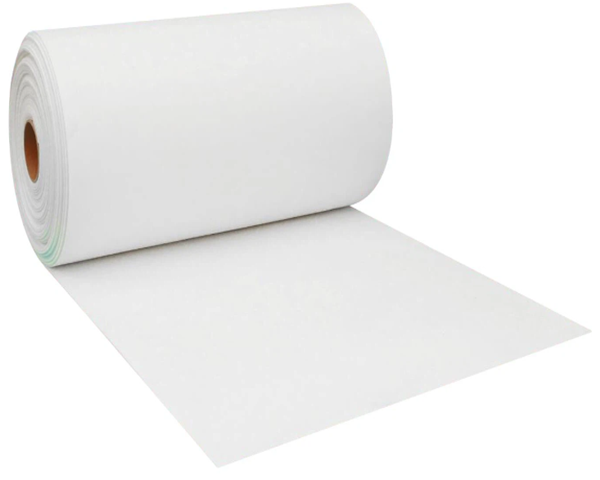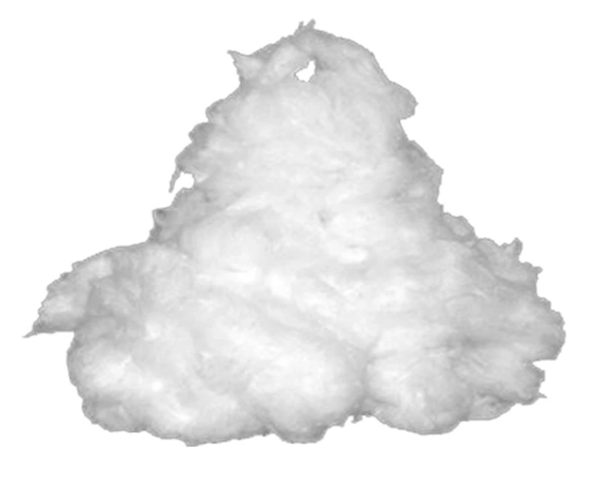
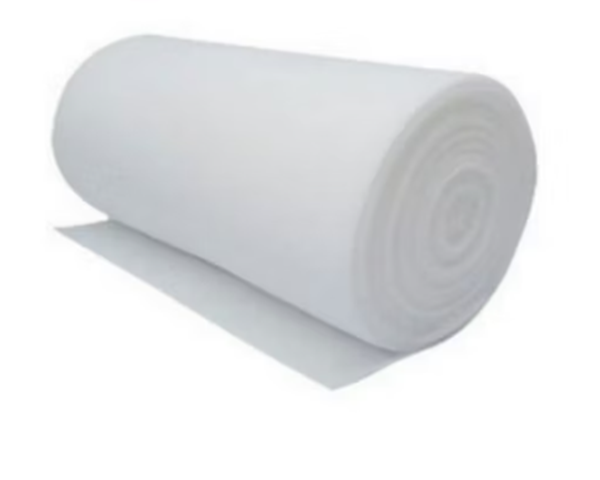
Aerogel insulation felt is a flexible felt material primarily composed of silica aerogel, compounded with various fibers through a special process. Its characteristics include low thermal conductivity, excellent high-temperature stability, and certain tensile and compressive strength, providing excellent thermal insulation for industrial pipelines.
Aerogel insulation felt is a flexible felt material primarily composed of silica aerogel, compounded with various fibers through a special process. Its characteristics include low thermal conductivity, excellent high-temperature stability, and certain tensile and compressive strength, providing excellent thermal insulation for industrial pipelines.
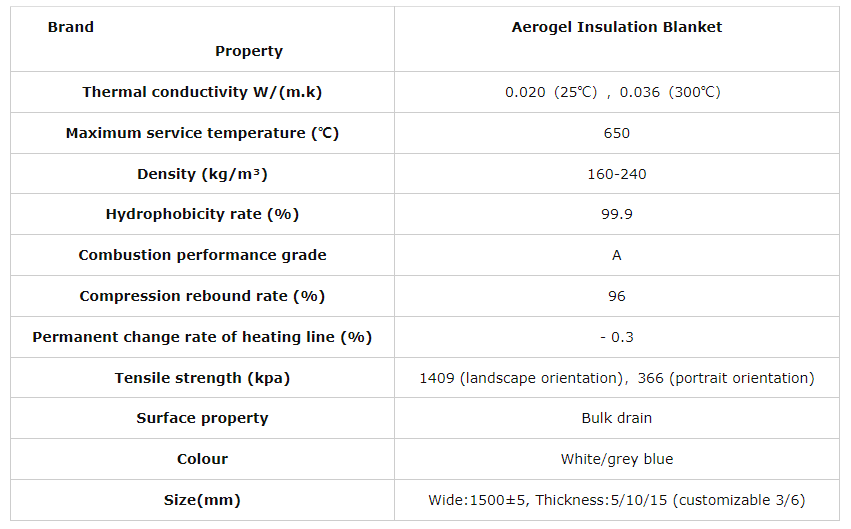
一.Technical index of Aerogel insulation felt
二.Characteristics of Aerogel insulation felt
Environmental characteristics: Made of entirely inorganic materials, free of harmful substances, and environmentally friendly.
Waterproof performance: Hydrophobic properties ≥99%, effectively reducing condensation and protecting pipes from corrosion; significantly superior to traditional insulation materials which easily absorb water, leading to increased thermal conductivity and insulation failure.
Heat resistance: The nano-scale three-dimensional network structure provides excellent thermal stability, preventing the degradation of insulation performance after long-term use, unlike traditional materials.
Adsorption: Aerogel powder has a high specific surface area and good adsorption performance.
三.Temperature range: Nano-aerogel insulation felt has a wide temperature range (-200℃ to 650℃), allowing for stable operation; traditional materials are significantly limited, with ordinary rubber and plastic only suitable for -40℃ to 120℃, and aluminum silicate, while resistant to 800℃, is not suitable for low temperatures. Long service life: A service life of up to 20 years eliminates the need for frequent replacement, significantly reducing costs; traditional materials such as aluminum silicate and rock wool are prone to structural collapse and increased thermal conductivity after 3-5 years, requiring replacement.
四. Application of Aerogel Insulation Blanket
Aerospace and military
Building insulation
Rail transit
Petrochemical industry
Municipal heating pipelines
Industrial furnaces
New energy vehicles
LNG storage and transportation
Cryogenic insulation
We have recommended some of our Related products to you. I hope you will be interested.