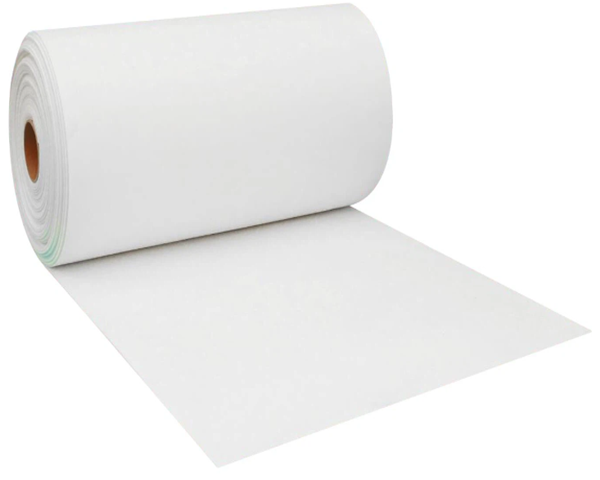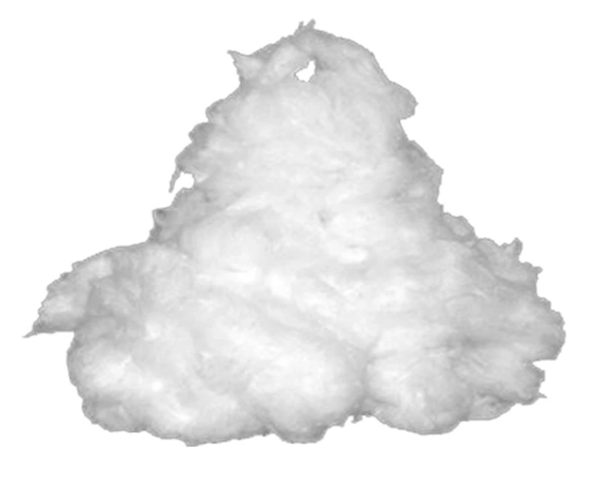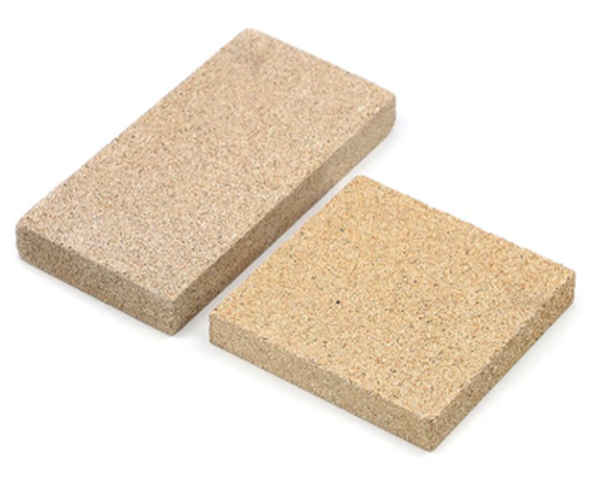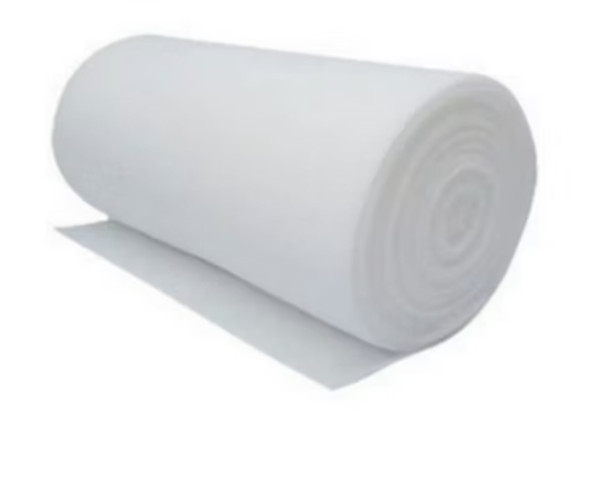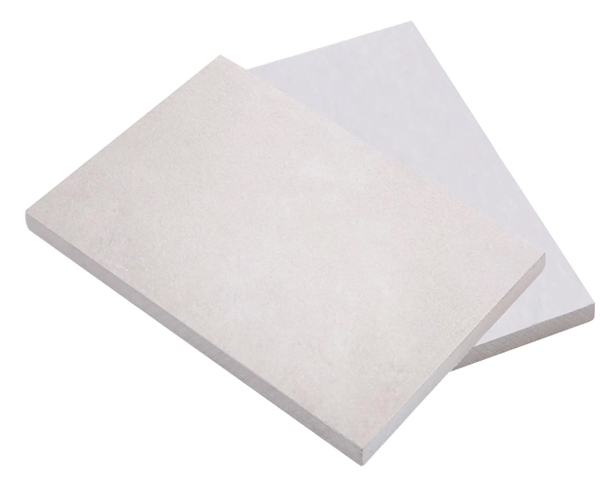
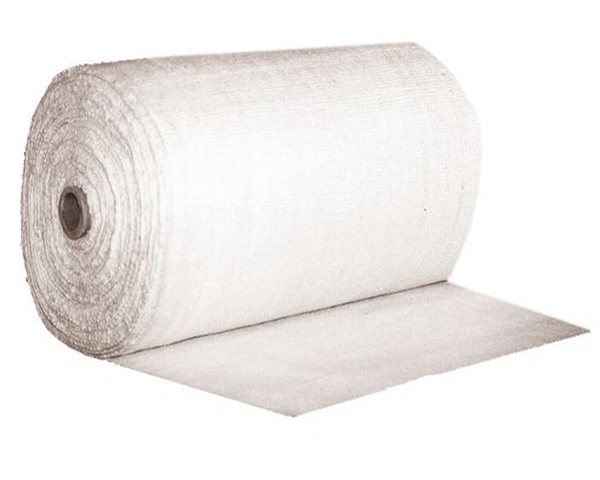
Ceramic fiber cloth is made of ceramic fibers combined with a certain proportion of organic fibers, reinforced with glass fibers (or steel wires), spun into yarn, and then woven into a fabric. This aluminum silicate ceramic fiber cloth possesses advantages such as light weight, low thermal conductivity, excellent thermal insulation and high-temperature heat resistance and fire resistance, chemical stability, corrosion resistance, oxidation resistance, and non-toxicity.
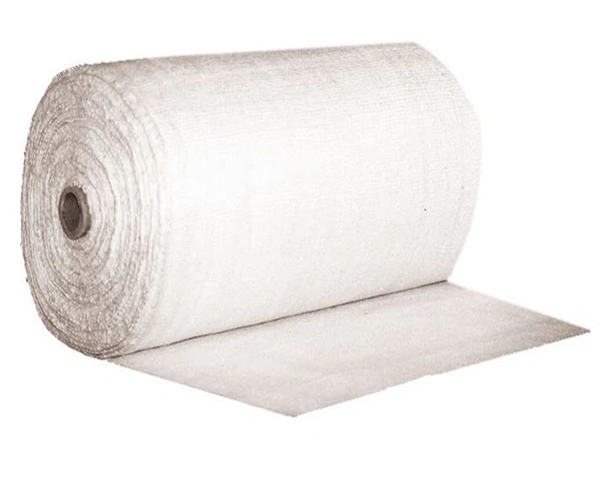
Ceramic fiber cloth is made of ceramic fibers combined with a certain proportion of organic fibers, reinforced with glass fibers (or steel wires), spun into yarn, and then woven into a fabric. This aluminum silicate ceramic fiber cloth possesses advantages such as light weight, low thermal conductivity, excellent thermal insulation and high-temperature heat resistance and fire resistance, chemical stability, corrosion resistance, oxidation resistance, and non-toxicity.
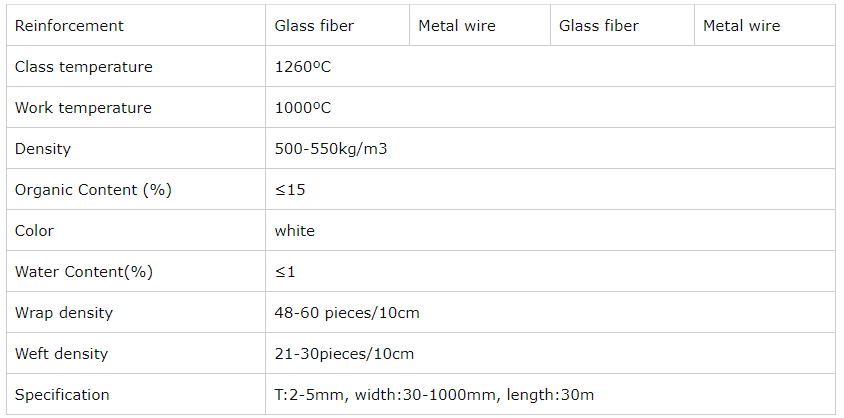
一.Physical And Chemical Indicators of Ceramic fiber cloth
二.Ceramic fiber refractory cloth product characteristics:
High temperature resistance, low thermal conductivity, thermal shock resistance, low heat capacity;
Excellent high-temperature insulation performance and long service life;
Resistant to corrosion from molten aluminum, zinc, and other non-ferrous metals;
Good strength at both low and high temperatures;
Non-toxic, harmless, and no adverse impact on the environment;
Convenient construction and installation;
三.Application of Ceramic fiber cloth
1. Furnace door seals and furnace opening fire curtains for various industrial furnaces;
2. Linings and expansion joints for high-temperature flues and ducts;
3. High-temperature insulation and heat preservation for petrochemical equipment, containers, and pipelines;
4. Heat shields for automobile engines, exhaust pipe wrapping for heavy oil engines, and composite brake friction linings for high-speed racing cars;
5. Sealing packing and gaskets for pumps, compressors, and valves conveying high-temperature liquids and gases;
6. Fireproof doors, fire curtains, fire blankets, spark-proof blankets, and other fire protection products;
7. Thermal insulation materials and brake friction linings for the aerospace industry;
8. Insulation and wrapping for cryogenic equipment, containers, and pipelines;
9. Thermal insulation and fireproof layers and automatic fire curtains for important places such as archives, vaults, and safes in office buildings.
We have recommended some of our Related products to you. I hope you will be interested.