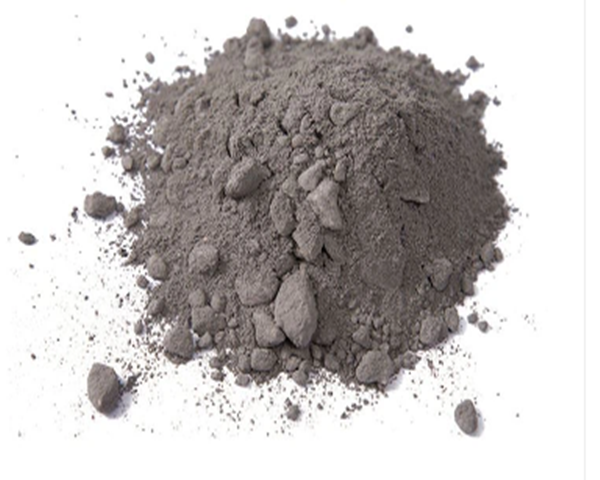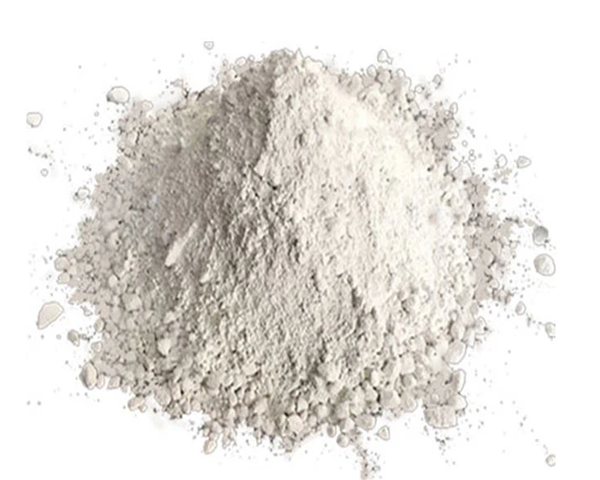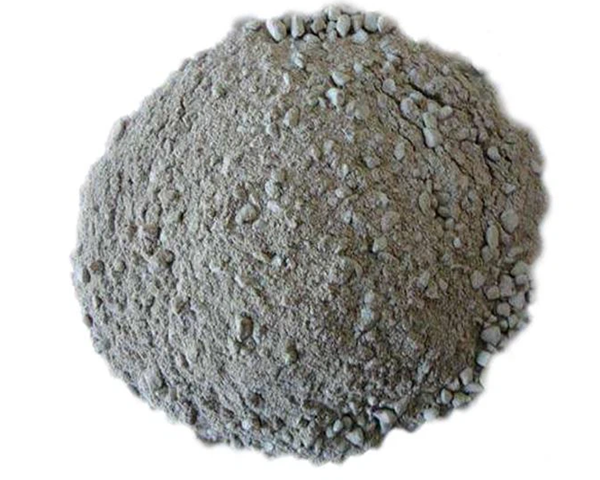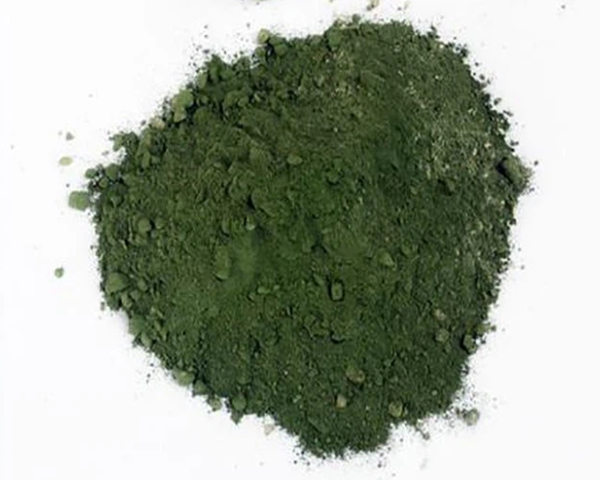
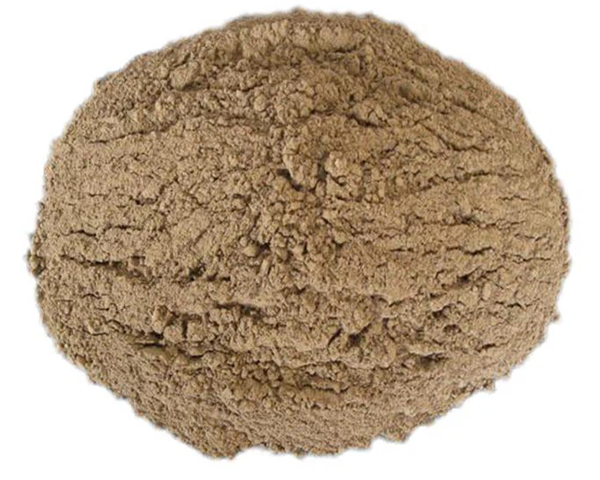
High-temperature refractory mortar is a material used in furnace construction to fill the gaps between refractory bricks, bonding them together and providing the masonry with a certain degree of integrity, strength, and airtightness. The product is available in both dry powder and pre-mixed paste forms.
High-temperature refractory mortar is a material used in furnace construction to fill the gaps between refractory bricks, bonding them together and providing the masonry with a certain degree of integrity, strength, and airtightness. The product is available in both dry powder and pre-mixed paste forms.
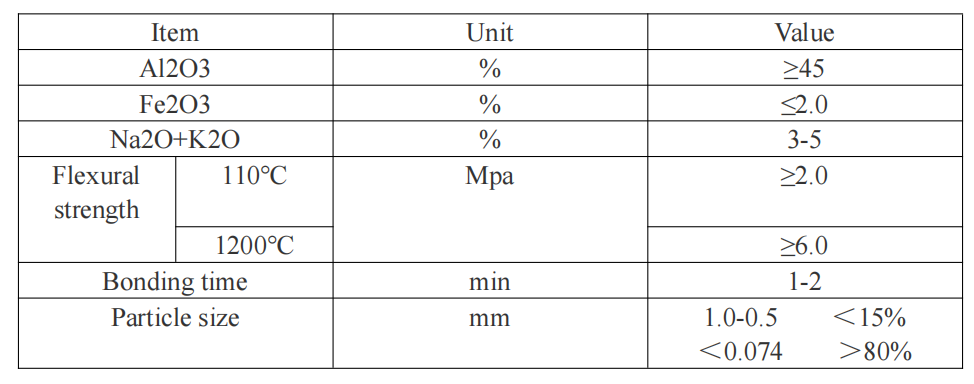
一.Technical index of refractory mortar
二.Performance Advantages of High-Temperature Mortar in High-Temperature Environments
Excellent high-temperature resistance: It can withstand thermal shock and thermal expansion in high-temperature environments, maintaining stable physical and chemical properties at high temperatures without cracking or peeling due to temperature changes. For example, some high-temperature mortars can withstand temperatures up to 1800℃ or higher.
High bonding strength: It has good wettability and bonding function with bonded materials such as corundum, quartz, high-alumina ceramics, graphite, carbon and carbides, and high-temperature metal refractory materials. It can form a tight bond with refractory bricks, refractory castables, and other materials, enhancing the stability and durability of the overall structure.
Strong corrosion resistance: It has good airtightness after drying and during high-temperature use, and good slag resistance. It can resist erosion from airflow and chemical reactions, for example, it is suitable for projects requiring resistance to sulfate corrosion.
Good plasticity: Some high-temperature mortars have excellent plasticity and workability, allowing for easy shaping and construction. They can be molded into various shapes as needed to meet different engineering requirements, and exhibit minimal shrinkage during baking and sintering.
三.Common Application Areas of High-Temperature Mortar
Furnace and Kiln Related Applications
Furnace and kiln construction: It is currently used as a binder in the construction of blast furnaces, hot blast stoves, coke ovens, refining furnaces, electric furnaces, glass melting furnaces, power plant boilers, petrochemical industrial furnaces, etc., for filling refractory brick joints. It is widely used in the construction and maintenance of furnaces and kilns in high-temperature environments such as iron furnaces, steel furnaces, and glass kilns.
Furnace and kiln repair and emergency repair: Used for the construction of refractory bricks and insulation bricks in various thermal kilns and for aluminum silicate fiber blankets. When repairing furnaces, if the cracks are too large, refractory particles can be added to the high-temperature mortar and mixed for use in filling the gaps, shortening the repair time and ensuring normal production. It can also be used with aggregates to create integral construction materials and repair materials.
High-Temperature Equipment Protection
Coating materials: It can be used in coatings that need to be applied to the surface of metals, graphite, and various high-temperature resistant materials to form a protective layer, such as high-temperature anti-oxidation protective coatings for metal materials, flame-retardant coatings, and high-temperature anti-oxidation protective coatings for graphite materials. Bonding material: Used as a high-temperature adhesive for bonding insulation materials to the insulated object. It possesses a certain strength at room temperature and exhibits even higher strength and stable performance at high temperatures.
We have recommended some of our Related products to you. I hope you will be interested.