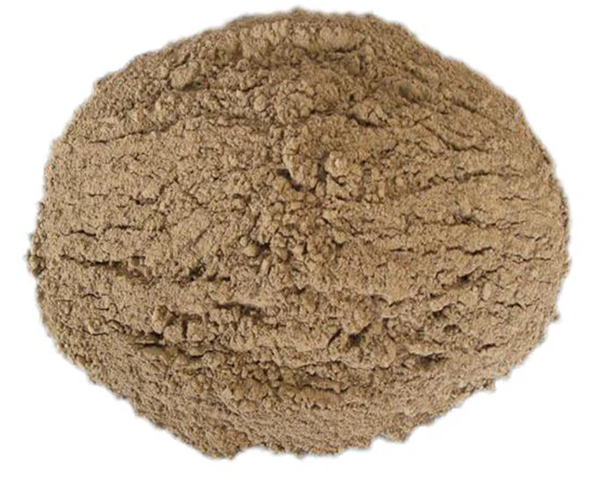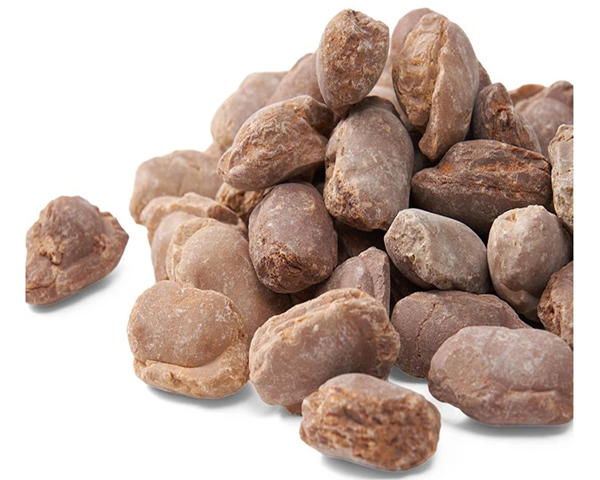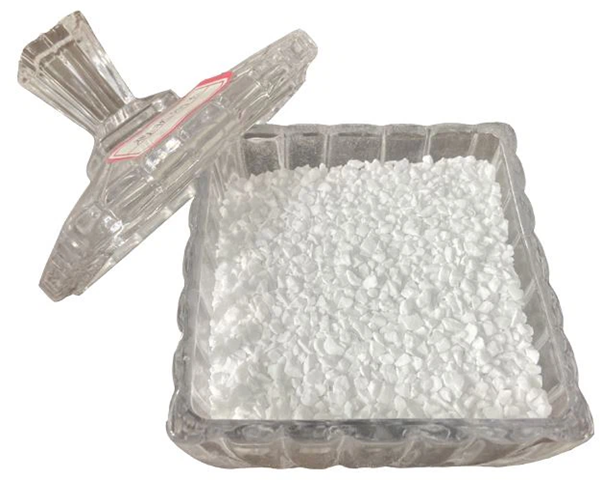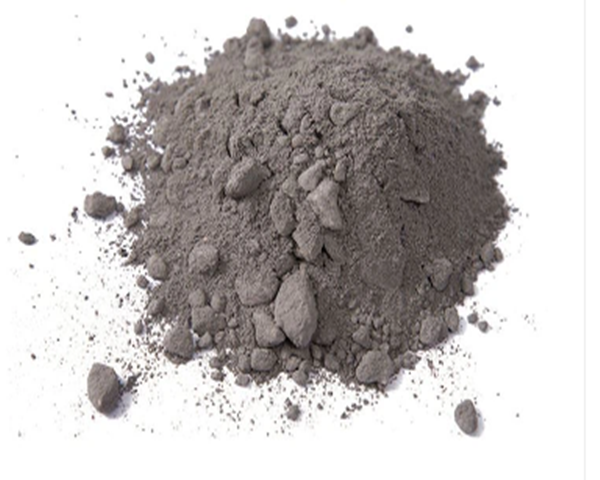
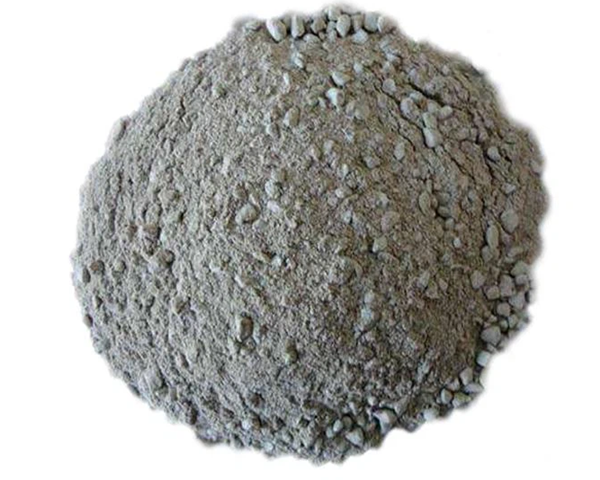
Refractory plastic is an amorphous refractory material composed of granular materials combined with binders such as plastic clay and plasticizers, along with a small amount of water. It is formed through thorough mixing, resulting in a stiff, paste-like consistency that maintains high plasticity for an extended period.
Refractory plastic is an amorphous refractory material composed of granular materials combined with binders such as plastic clay and plasticizers, along with a small amount of water. It is formed through thorough mixing, resulting in a stiff, paste-like consistency that maintains high plasticity for an extended period.
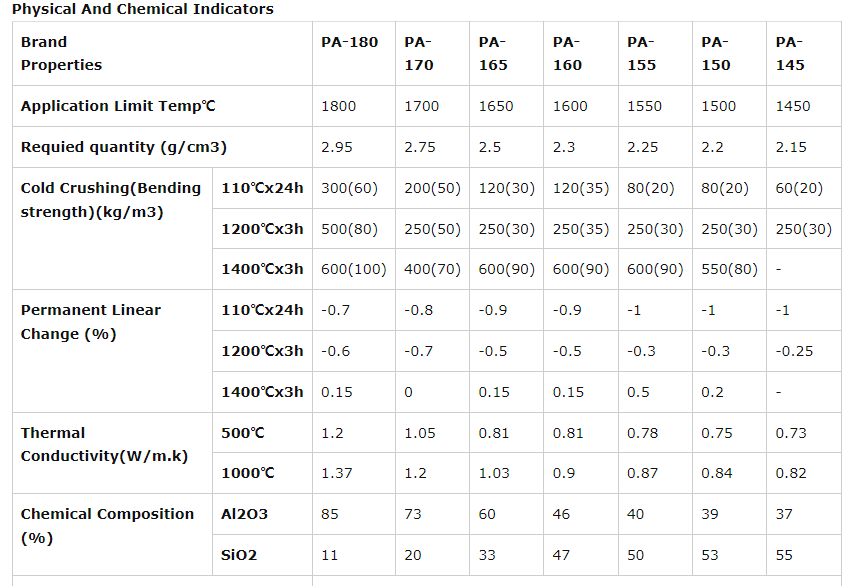
Plastic refractories should possess high plasticity and retain a certain degree of plasticity even after prolonged storage. Plasticity is related to the characteristics and quantity of clay, and is primarily dependent on the amount of water. It increases with increasing water content, but excessive water content can have adverse effects.
Granular and powdered materials are the main components of plastic refractories, generally accounting for 70%-85% of the total weight. They can be made from various refractory raw materials, and are often classified and named according to the raw materials used. Because this type of unshaped refractory material is mainly used in various heating furnaces that do not directly contact molten materials, lightweight plastic refractories are generally made from clay clinker and high-alumina clinker, using lightweight granular materials. Sometimes, for specific requirements, silica, sintered and electrofused corundum, chromium, silicon carbide, zircon, and carbonaceous materials may also be used.
Plastic clay is an important component of plastic refractories. Although it only accounts for 10%-25% of the total weight of the plastic refractory, it greatly affects the bonding strength of the plastic refractory and its hardened body, the plasticity of the plastic refractory, and the volume stability and refractoriness of the plastic refractory and its hardened body. To a certain extent, the type and quantity of clay determine the properties of the plastic refractory.
Characteristics of plastic refractories: (1) High compressive strength at room temperature; (2) Thermal shock resistance; (3) Abrasion resistance at room temperature; (4) Dense bulk density and low porosity; (5) High plasticity, convenient construction, and improved work efficiency; (6) Suitable for various complex and difficult-to-construct areas, and can be tamped into any shape.
We have recommended some of our Related products to you. I hope you will be interested.