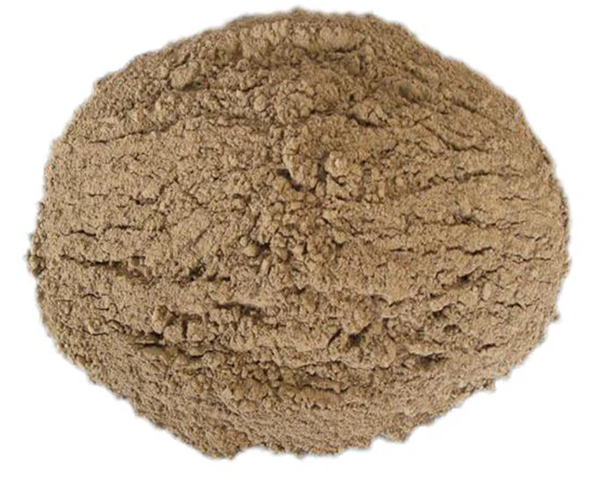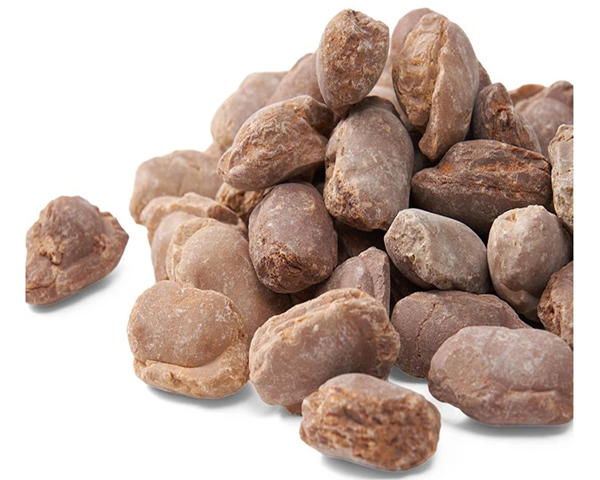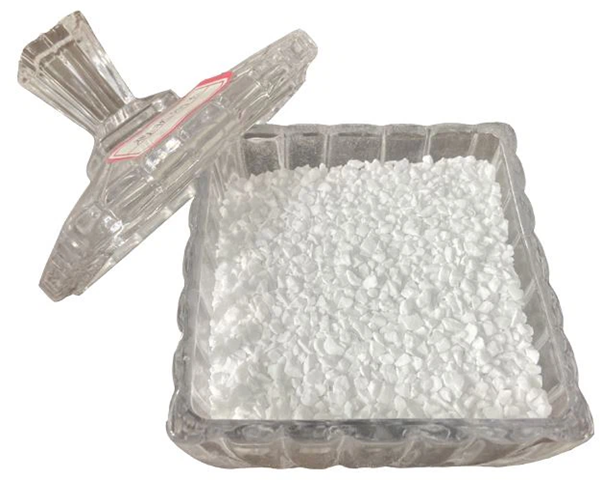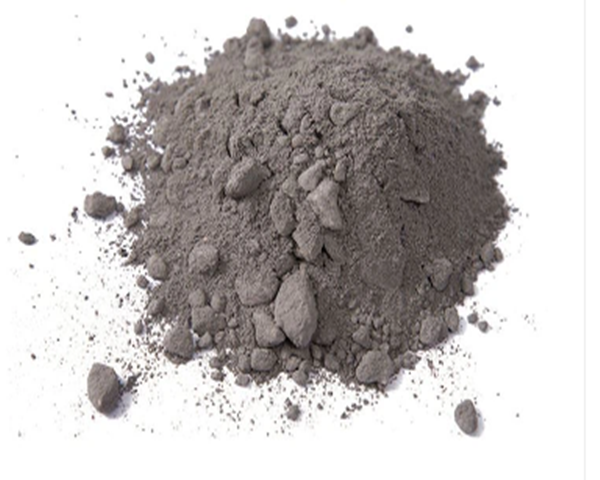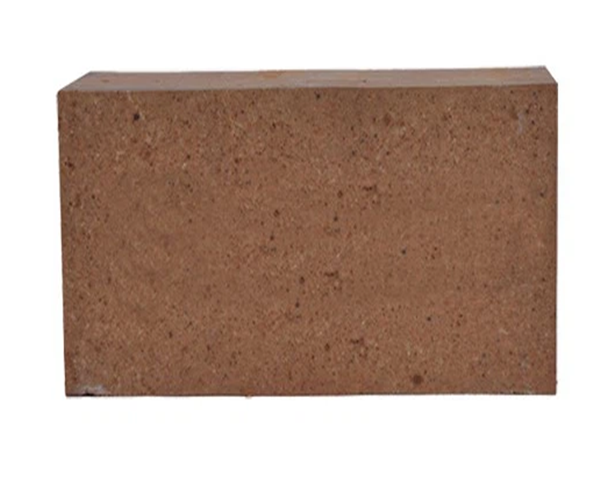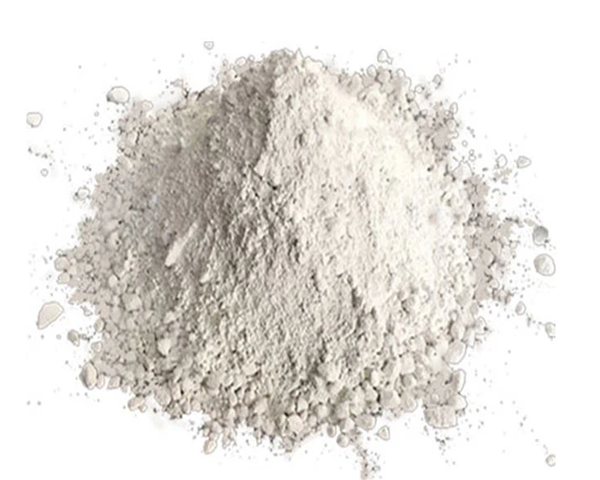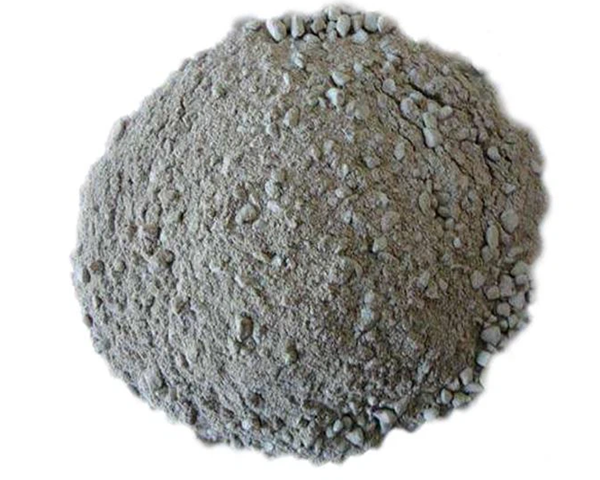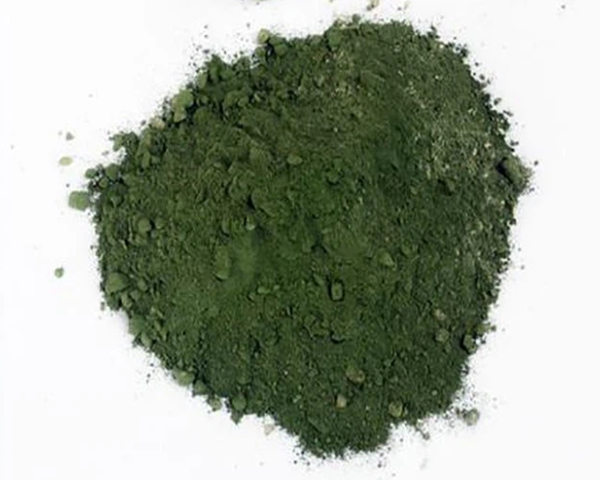
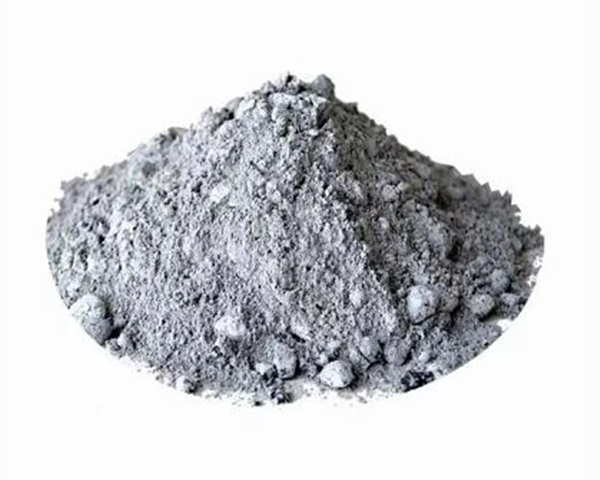
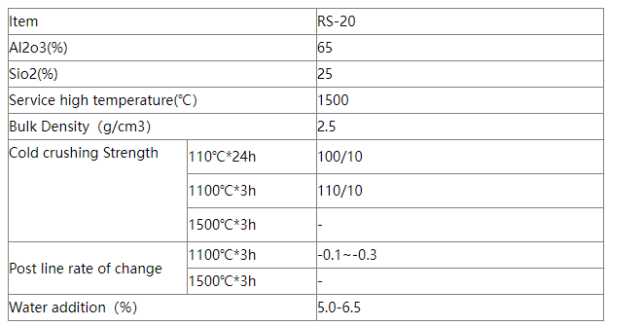
Technical index of Mullite Insulating Castable
High operating temperature: Can be used directly in contact with flames as a working lining, achieving high-temperature energy saving.
Low unit weight: Structural weight is reduced by 40-60%, eliminating the risk of brick breakage in furnace roof suspension.
Low thermal conductivity: Made with porous mullite aggregate, resulting in low thermal conductivity and good insulation performance.
Fast furnace drying: Shortens the furnace drying period, resulting in significant economic benefits.
Strong adaptability: Suitable for petrochemical industry tubular heating furnaces, light diesel and ethane cracking furnace linings, atmospheric and vacuum furnaces, sulfur recovery units, steam boilers, honeycomb mesh insulation layers, two-vessel bodies and pipe insulation single layers, and other industrial furnace doors, fire viewing ports, and observation port linings.
High high-temperature structural strength: Low high-temperature creep rate, small thermal expansion, strong chemical corrosion resistance, and resistance to thermal shock.
Short curing, demolding, and baking time: No cracking or spalling.
Lightweight mullite provides significant thermal resistance to heat transfer from high temperatures, reducing heat loss in continuous production equipment; on the other hand, its low heat capacity and low heat storage improve the utilization rate and thermal efficiency of thermal equipment in short-term and intermittent production. It has high strength and low unit weight, and when used in industrial kiln roofs, walls, and doors, the structural weight is reduced by more than 30% compared to general low-cement castables, eliminating the risk of structural brick breakage and collapse.
Mullite is a crystalline phase in the Al2O3-SiO2 system with many excellent properties, particularly excellent high-temperature creep resistance, and therefore is gaining increasingly widespread use. Mullite castables are difficult to manufacture due to the stringent requirements for the binder, which must not degrade the excellent properties of mullite.
The main factors affecting the performance of lightweight castables are two: first, the performance of the lightweight aggregate, and second, the bonding method and the type of binder. Once a lightweight aggregate is selected for the production of lightweight castables, the performance of the lightweight castable depends on the type of binder and the heating process. Traditional lightweight castable refractories contain 20-30% refractory cement, or perhaps 10-15% water glass as a binder.
We have recommended some of our Related products to you. I hope you will be interested.