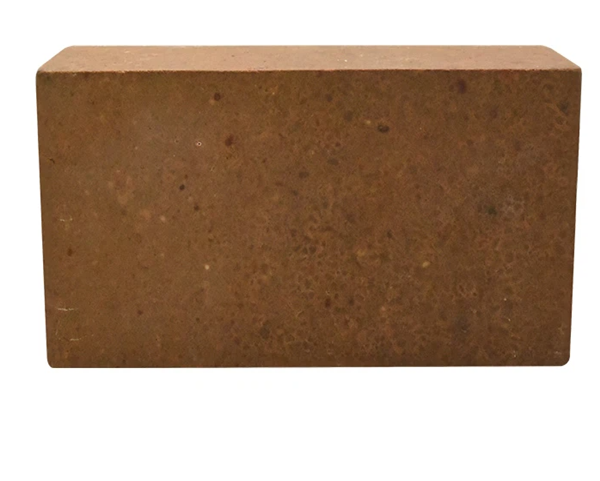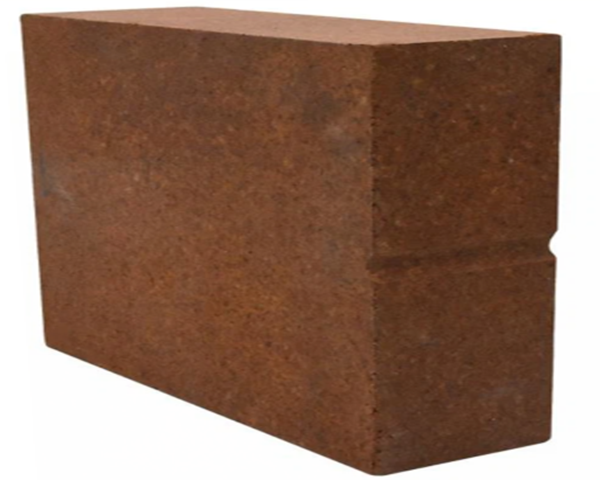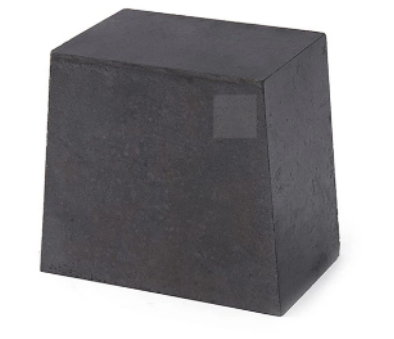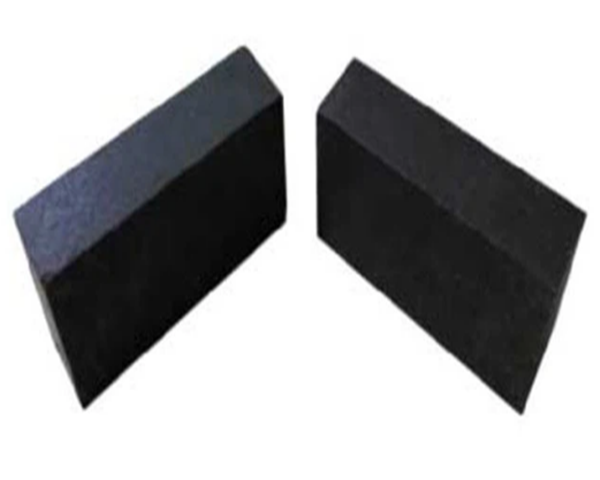
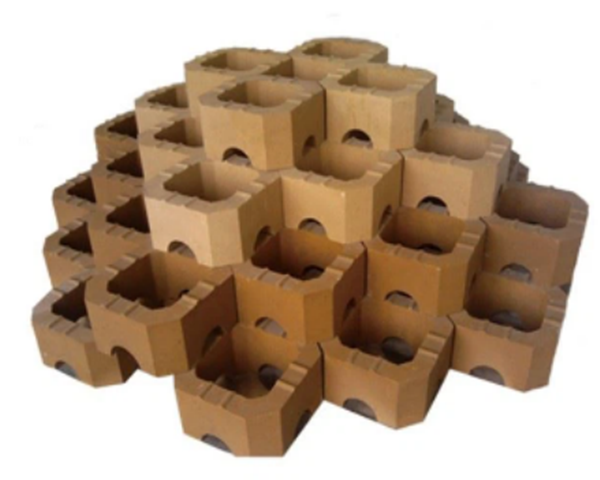
Magnesia-zirconia bricks are made from electrofused magnesia, high-purity magnesia, and zircon sand as raw materials. They are formed under high pressure and fired at high temperatures, exhibiting excellent resistance to corrosion from alkali metals, oxides, and sulfides. They are a type of high-performance shaped refractory product made from high-purity electrofused magnesia (MgO) as the base material, with composite zirconia (ZrO₂) as the key modifying component, processed through batching, molding, and high-temperature sintering (1750-1850℃).
Magnesia-zirconia bricks are made from electrofused magnesia, high-purity magnesia, and zircon sand as raw materials. They are formed under high pressure and fired at high temperatures, exhibiting excellent resistance to corrosion from alkali metals, oxides, and sulfides. They are a type of high-performance shaped refractory product made from high-purity electrofused magnesia (MgO) as the base material, with composite zirconia (ZrO₂) as the key modifying component, processed through batching, molding, and high-temperature sintering (1750-1850℃).
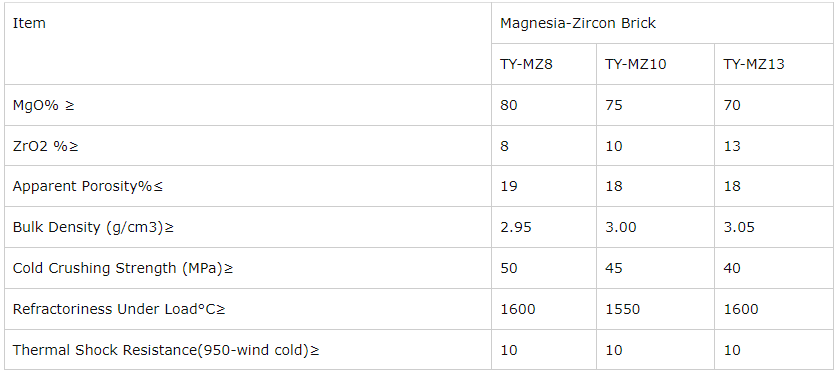
一.Physical And Chemical Indicators of Magnesia Zirconium Brick
二.Characteristics of Magnesia Zirconium Brick
1. Extreme High-Temperature Stability: Under ultra-high temperature conditions, the brick not only maintains its structural integrity for extended periods without softening or collapsing, but also effectively withstands thermal stress shocks caused by extreme temperature fluctuations, ensuring stable service in harsh high-temperature environments.
2. Superior Resistance to Slag Corrosion: MgO inherently possesses excellent resistance to alkaline slag corrosion, and the introduction of ZrO₂ further optimizes this corrosion resistance.
3. Excellent High-Temperature Mechanical Strength: After high-temperature sintering at 1750-1850℃, ZrO₂ particles are uniformly dispersed in the MgO matrix, forming an efficient "dispersion strengthening" effect, significantly improving the mechanical properties of the brick.
4. Good Thermal Shock Resistance: Utilizing the phase transition characteristics of ZrO₂ in different temperature ranges, the accompanying slight volume changes effectively alleviate thermal stress concentration within the brick, preventing cracking caused by rapid temperature changes.
5. Low Thermal Conductivity and Spalling Resistance: The densified microstructure gives the magnesia-zirconia brick a low thermal conductivity, only 2.5-3.5 W/(m·K) at 1000℃, effectively preventing heat loss and improving furnace thermal efficiency.
We have recommended some of our Related products to you. I hope you will be interested.