After reviewing your quotation, we found that the pricing is too high and would not be competitive for this project. As a result, there is no opportunity for us to win the tender, and therefore we do not have the intention to proceed with cooperation for this case.
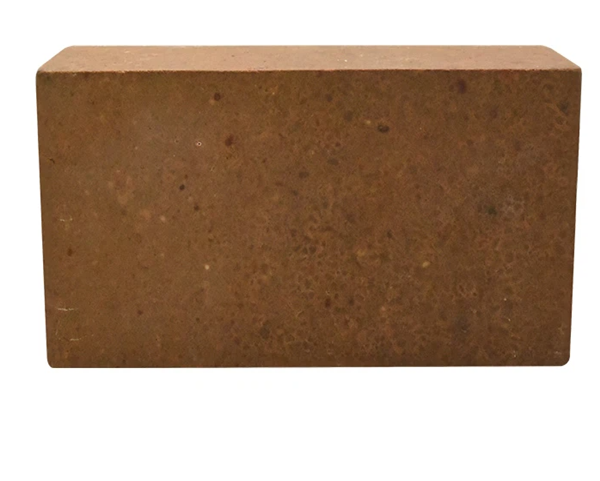
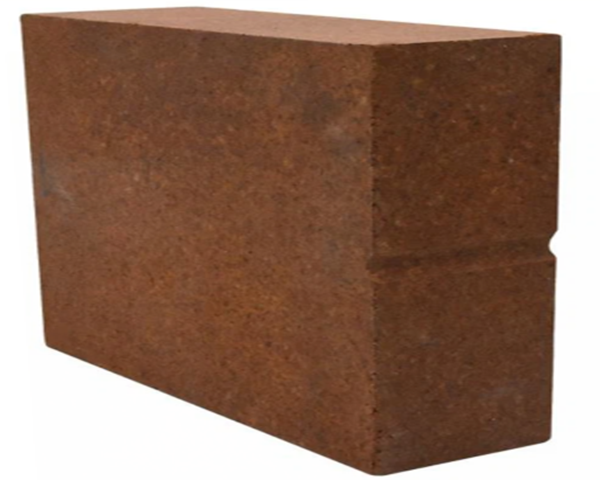
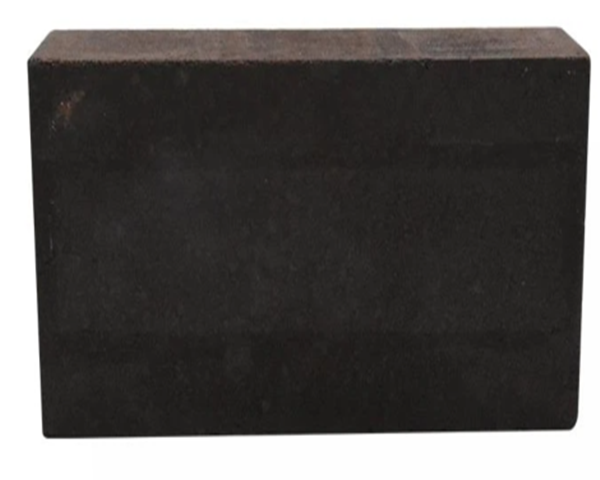
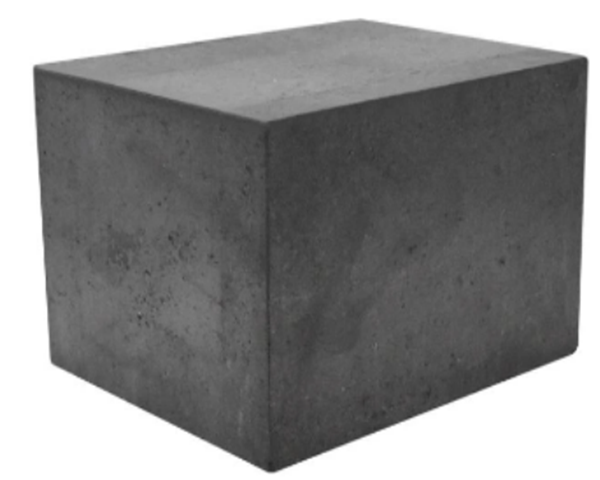
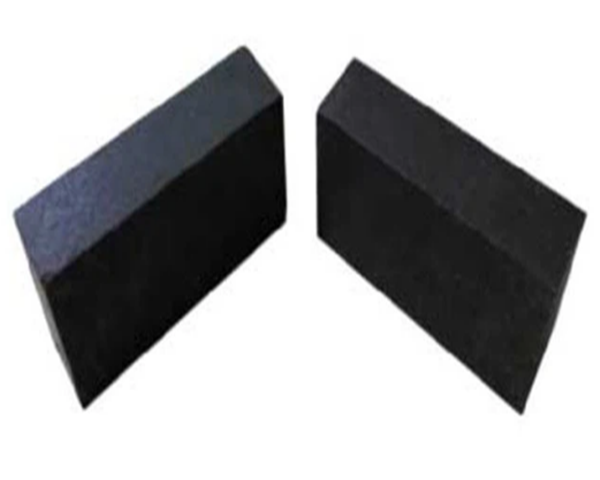
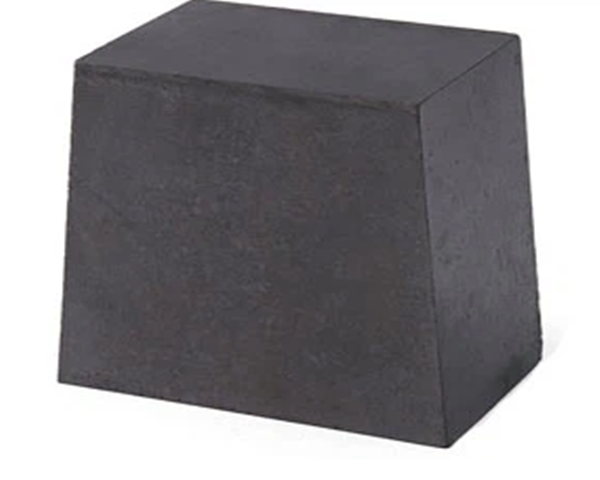
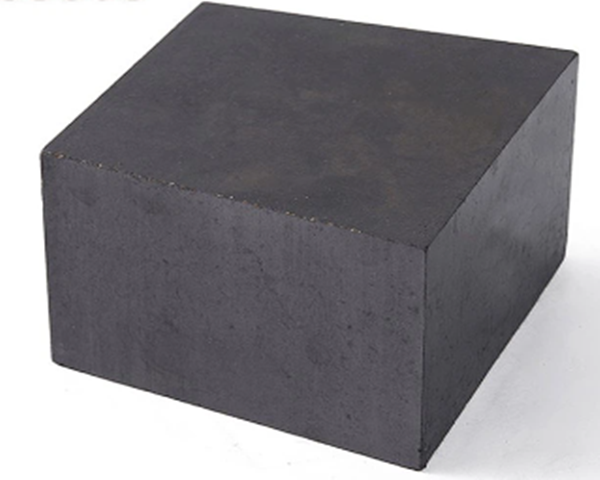
Carbon bricks are a type of carbon-based refractory product primarily made from graphite powder and resin binders, along with high-quality carbonaceous raw materials such as coke and graphite. They are manufactured through multiple processes including batching, mixing, molding, and high-temperature firing. Widely used in construction, underground pipelines, ships, and aircraft, they exhibit good stability and high-temperature resistance, making them suitable for a wide range of applications.
一.Physical And Chemical Indicator of carbon brick

二. Characteristics of Carbon Bricks
1. Significant Flame Retardant Properties: Although carbon bricks are based on organic materials, the high-temperature sintering process creates a dense graphitized protective layer on the surface. This structural characteristic gives them excellent high-temperature resistance and flame retardant properties, making them unlikely to burn under normal operating conditions.
2. Combustion Risk in Extreme Environments: The flame retardant properties of carbon bricks are guaranteed under normal operating conditions. However, in extreme scenarios with high temperatures and sufficient oxygen, the carbon matrix may undergo oxidation reactions, leading to combustion. The combustion process is accompanied by material degradation, structural loosening, and crack initiation and propagation, ultimately causing the carbon brick to lose its structural integrity and cease to function.
3. Ultra-High Temperature Structural Stability: These carbon bricks can operate stably for extended periods in ultra-high temperature environments above 1600℃, maintaining good structural density and mechanical strength. Even under the harsh conditions of rapid heating and cooling during furnace operation, they can effectively resist the effects of thermal stress, preventing cracking and spalling, and providing a reliable high-temperature protective barrier for the furnace shell.
三.Applications: Carbon bricks are widely used in the metallurgical industry. High-furnace carbon bricks account for the largest proportion, with many blast furnaces having their hearths and bottoms constructed from carbon bricks. Carbon bricks are also used in aluminum electrolytic cells. In addition, they are widely used in pickling tanks and electroplating tanks in the electroplating industry, dissolution tanks in the paper industry, reaction tanks and storage tanks in the chemical industry, and autoclaves in the petrochemical industry, etc.
I. Metallurgical Industry (Core Application Area)
1. Blast Furnace (Core equipment for ironmaking) Application areas: Hearth, bosh, belly, and tuyere areas, and other critical load-bearing and high-temperature contact areas.
2. Converter (Steelmaking equipment) Application areas: Lining materials for the bottom, hood, and trunnion areas.
3. Electric Furnace (Special steel smelting equipment) Application areas: Lining of the furnace bottom, furnace wall, and around the electrodes.
II. Chemical Industry
1. Calcium Carbide Furnace (Calcium carbide production equipment)
Application areas: Lining of the furnace bottom, hearth, and furnace chamber.
2. Yellow Phosphorus Furnace (Yellow phosphorus production equipment) Application areas: Lining of the furnace bottom, furnace wall, and around the phosphorus outlet.
3. Chemical Reactors/Towers (High-temperature and high-pressure reaction equipment) Application areas: Inner lining of reactors or packing support layers in towers used for processing high-temperature, high-pressure, and highly corrosive media (such as in ammonia synthesis and methanol synthesis processes).
III. Building Materials and Other Industrial Fields
1. Glass Kiln (Glass production equipment) Application areas: Lining of the kiln bottom, flow channels, and material channels.
2. Waste Incinerator (Environmental protection equipment) Application areas: High-temperature zone of the furnace chamber and the lining of the secondary combustion chamber.
3. Nuclear Industry (Special application scenarios) Application areas: Moderator or reflector materials for nuclear reactors (specific types of carbon bricks, such as graphite carbon bricks).
We have recommended some of our Related products to you. I hope you will be interested.