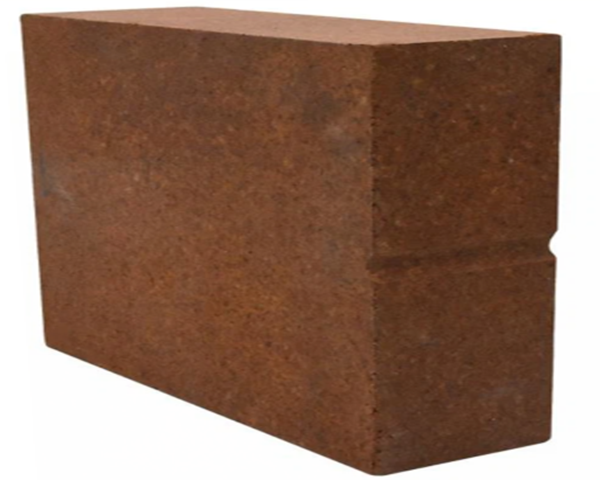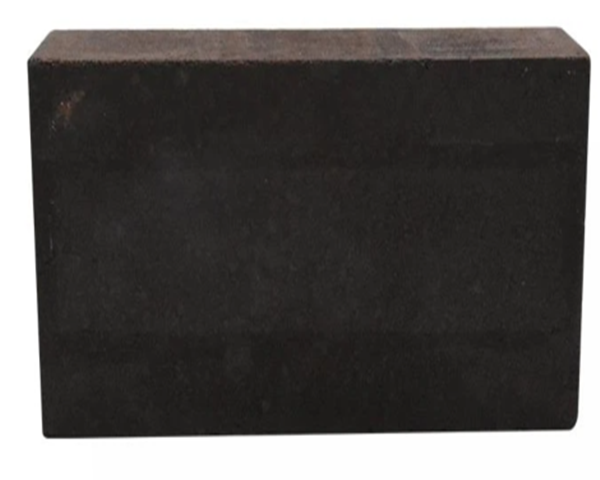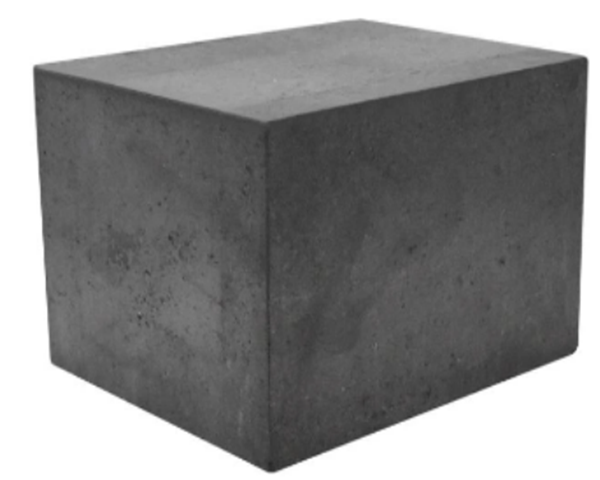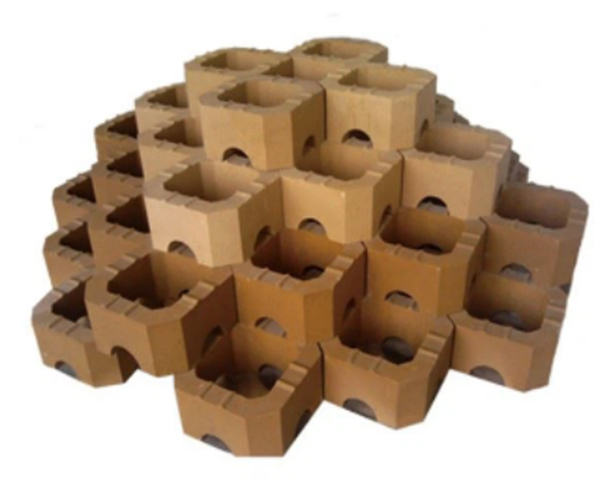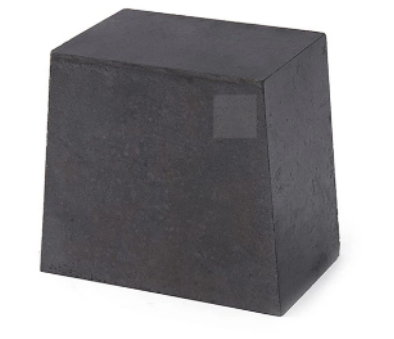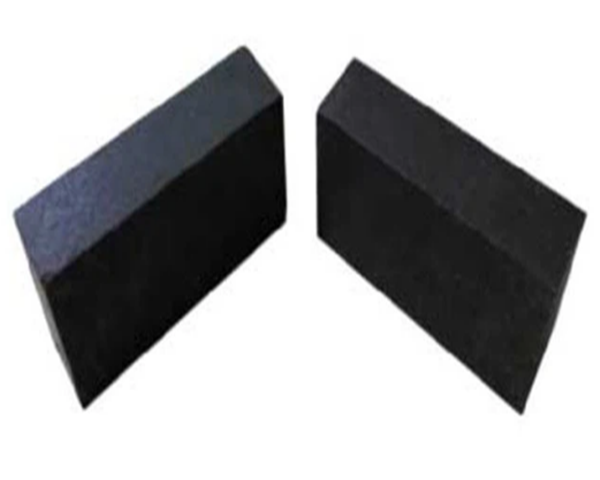
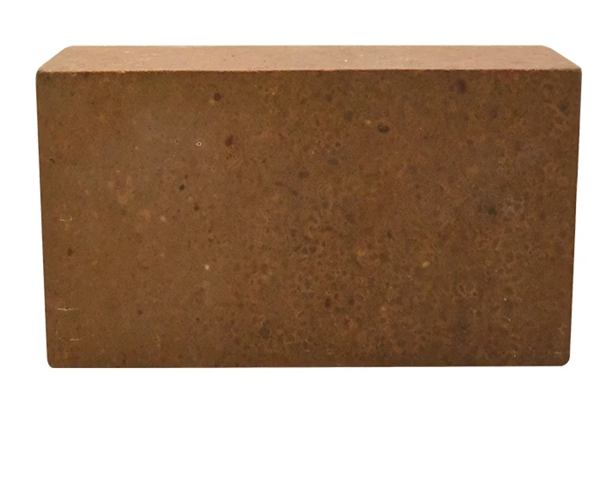
Magnesia brick is a lightweight, high-hardness refractory material, primarily made from raw materials such as magnesite and dolomite through high-temperature calcination. It possesses high hardness and strength, exhibiting excellent wear resistance and compressive strength. It is not prone to breakage, cracking, wear, or deformation during long-term use.
Magnesia brick is a lightweight, high-hardness refractory material, primarily made from raw materials such as magnesite and dolomite through high-temperature calcination. It possesses high hardness and strength, exhibiting excellent wear resistance and compressive strength. It is not prone to breakage, cracking, wear, or deformation during long-term use.
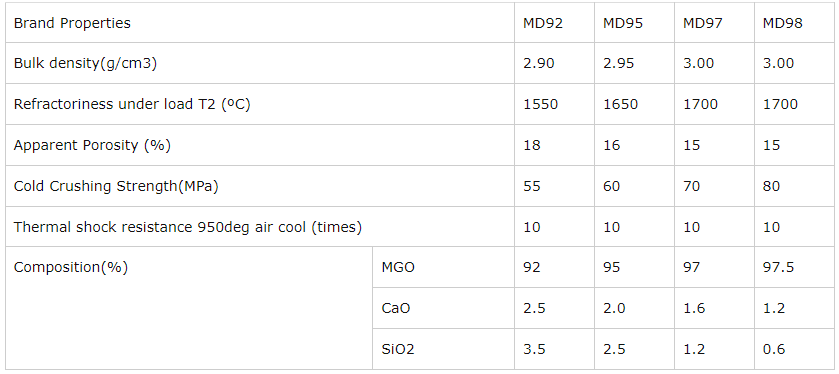
一.Physical And Chemical Indicators of Magnesia brick
二.Characteristics of Magnesia Bricks
1. High Melting Point: Magnesia bricks have a much higher melting point than ordinary refractory materials, maintaining stable physical and chemical properties at high temperatures. They also possess high hardness and strength, exhibiting excellent wear resistance and compressive strength, and are not prone to fracture, cracking, wear, or deformation during long-term use.
2. High Temperature Resistance: Magnesia bricks have excellent high-temperature resistance and can be used for extended periods in high-temperature environments without damage.
3. Corrosion Resistance: Magnesia bricks have strong resistance to various chemical substances and are not easily corroded. They exhibit strong corrosion resistance in acidic and alkaline environments and can be used in steel smelting and flue gas purification equipment in the chemical, metallurgical, and cement industries.
4. Good Thermal Stability: Magnesia bricks maintain stable performance under thermal shock and temperature changes, and are not prone to cracking or deformation
三. Applications of Magnesia Bricks
1. Metallurgical Industry: As a core lining material resistant to high temperature, high pressure, and corrosion, magnesia bricks are widely used in key metallurgical equipment such as blast furnaces and converters. They effectively resist the erosion of high-temperature environments, high-pressure conditions, and various corrosive media during the smelting process, ensuring the long-term stable operation of the equipment.
2. Chemical Industry: In chemical production scenarios, magnesia bricks are often used for the lining and thermal insulation of equipment such as reaction furnaces and distillation towers. Thanks to their excellent chemical stability, they can resist the erosion of various chemical media and meet the stringent requirements of complex chemical processes.
3. Building Materials Industry: Magnesia bricks also have practical value in the construction field, often used as firebricks and fire-resistant partitions. Their excellent fire resistance significantly improves the fire rating and safety protection capabilities of buildings, providing reliable fire protection for building structures.
四.Instructions for Using Magnesia Bricks
1. Cutting and Processing: According to the required dimensions and shapes for construction, professional equipment such as angle grinders and electric grinding tools can be used for precise cutting and processing, ensuring that the brick surfaces are flat and the dimensional errors meet construction standards.
2. Bonding Process: When bonding, use a special refractory mortar or high-temperature-resistant adhesive suitable for magnesia bricks. Before construction, thoroughly clean the bonding surfaces of the bricks to remove dust, oil stains, and other impurities, ensuring the surface is clean and dry; apply the bonding material evenly and thinly to ensure consistent coating thickness, improving bonding strength and sealing.
3. Fixing Method: During masonry construction, use metal clamps, special brackets, and other supporting fasteners to position and fix the magnesia bricks, preventing displacement or loosening during construction; the fixing distance should be reasonably controlled to ensure uniform stress on the entire brick structure, guaranteeing the long-term stability and durability of the masonry structure.
We have recommended some of our Related products to you. I hope you will be interested.