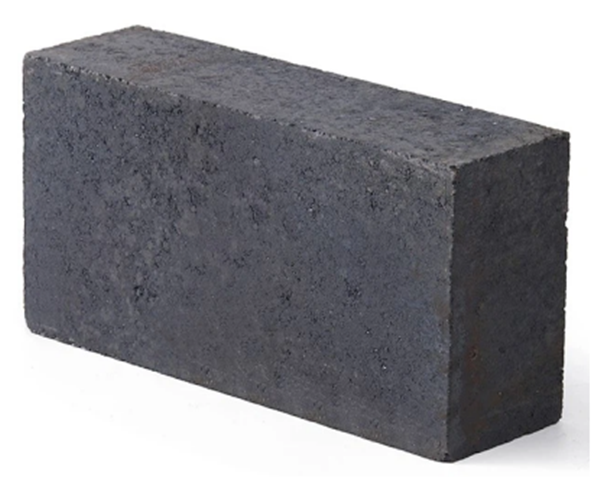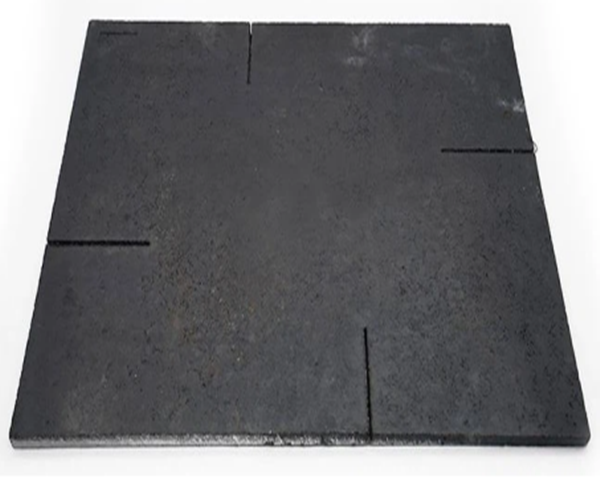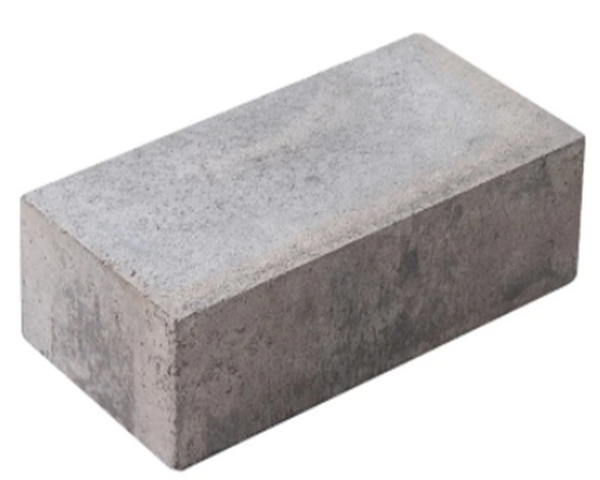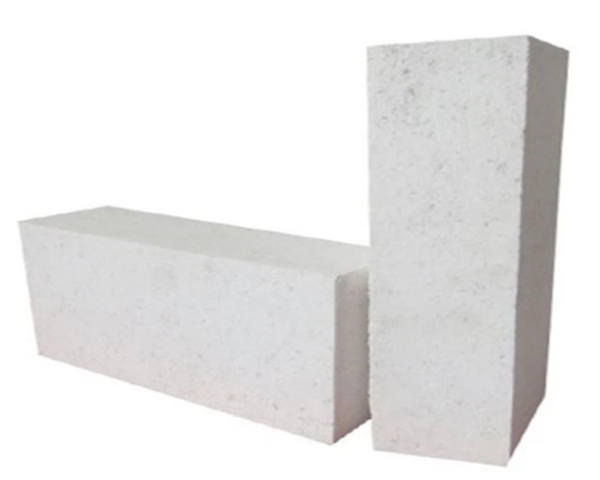
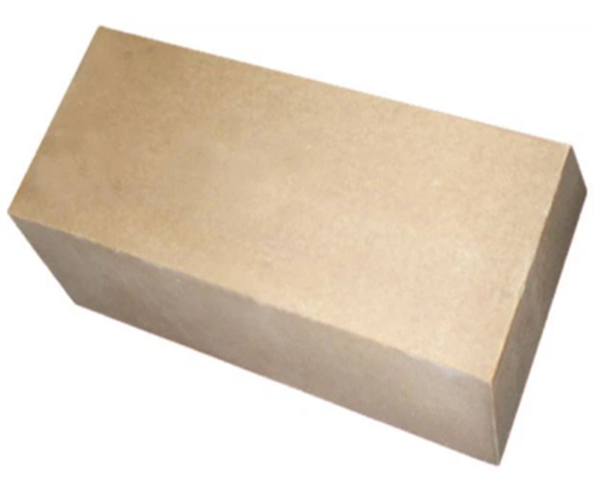
Zirconia-mullite brick is a high-end refractory material with mullite as its core matrix, scientifically enhanced with zirconium dioxide to improve its performance. Thanks to the synergistic advantages of the matrix and reinforcing phase, it possesses excellent high-temperature stability, corrosion resistance, and structural strength, demonstrating strong adaptability in various high-temperature industrial applications, making it widely used and highly regarded.
Zirconia-mullite brick is a high-end refractory material with mullite as its core matrix, scientifically enhanced with zirconium dioxide to improve its performance. Thanks to the synergistic advantages of the matrix and reinforcing phase, it possesses excellent high-temperature stability, corrosion resistance, and structural strength, demonstrating strong adaptability in various high-temperature industrial applications, making it widely used and highly regarded.
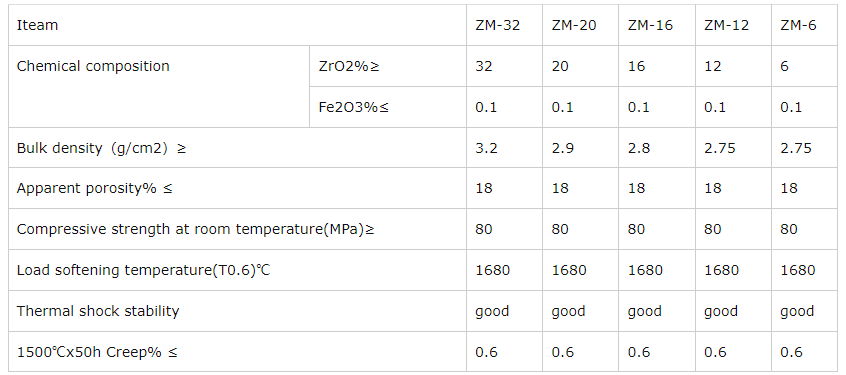
一.Physical And Chemical Indicators of Zirconium Mullite Brick
二.Characteristics of Zirconium Mullite Brick
Excellent high-temperature stability: The mullite matrix is resistant to 1650℃, and the introduction of ZrO₂ forms a solid solution, resulting in a stable structure without a liquid phase during long-term use at 1700℃.
Outstanding corrosion resistance: ZrO₂ forms a zircon protective layer, resisting corrosion from molten glass/molten metals. The erosion rate in the flow channel is only 1/3 that of corundum bricks.
Outstanding low-pollution characteristics: The brick body has extremely low impurity content, preventing the introduction of impurities into molten glass/special ceramics and ensuring product purity.
Balanced thermal shock resistance: ZrO₂ phase transformation toughening absorbs stress; it withstands more than 30 cycles of water quenching at 1100℃ (GB/T 30873-2014) without cracking, making it suitable for temperature fluctuations.
三.Applications of Zircon Mullite Bricks
(I) Industrial Furnaces and Kilns
Glass Melting Furnaces: Zircon mullite fused cast bricks have a dense structure, high temperature resistance, corrosion resistance, and high strength, making them suitable for the complex working conditions of melting furnaces, extending service life and improving production efficiency.
Blast Furnace Hot Blast Stoves: Mullite (corundum) refractory bricks have a high load softening temperature, low creep rate, and good thermal shock resistance, withstanding high-temperature hot air erosion and load, ensuring efficient operation of the hot blast stove and contributing to improved ironmaking efficiency.
Heating Furnaces: Mullite insulating bricks have low thermal conductivity, low thermal expansion, and high compressive strength. Their use as a lining provides thermal insulation, reduces energy consumption, and withstands the pressure and temperature inside the furnace.
Other Furnaces and Kilns: Mullite insulating bricks are suitable for tubular heating furnaces, ammonia synthesis converters, gas generators, and other industrial kilns.
(II) Other Applications
Building Materials: Due to their high refractoriness and thermal insulation properties, mullite bricks can be used in building structures or components that require high fire resistance and thermal insulation.
Ceramic Industry: In ceramic sintering kilns, mullite bricks can withstand the high-temperature environment during the ceramic firing process, and their excellent performance helps improve the stability of the firing process and ensure the quality of ceramic products.
We have recommended some of our Related products to you. I hope you will be interested.