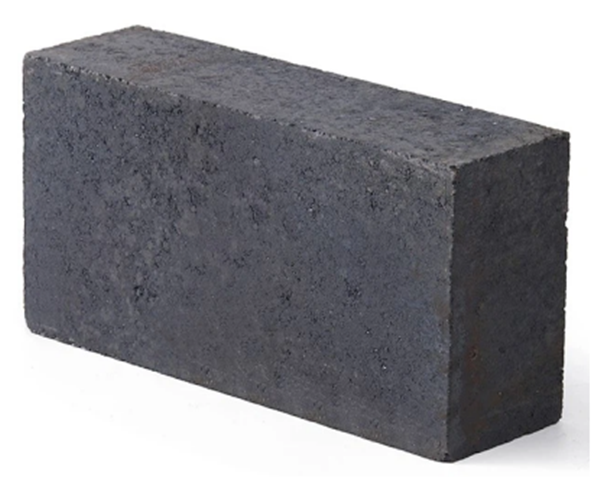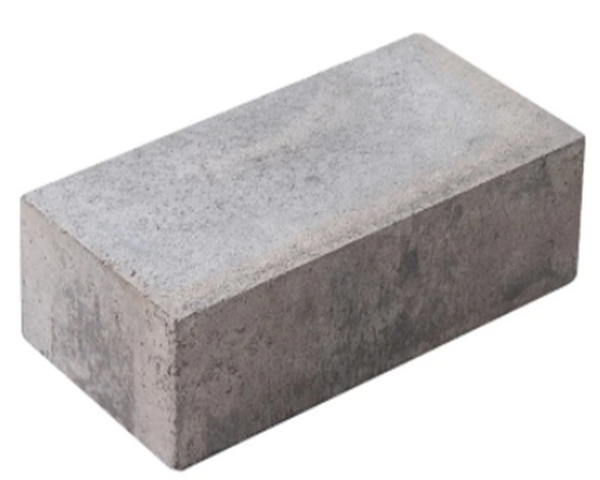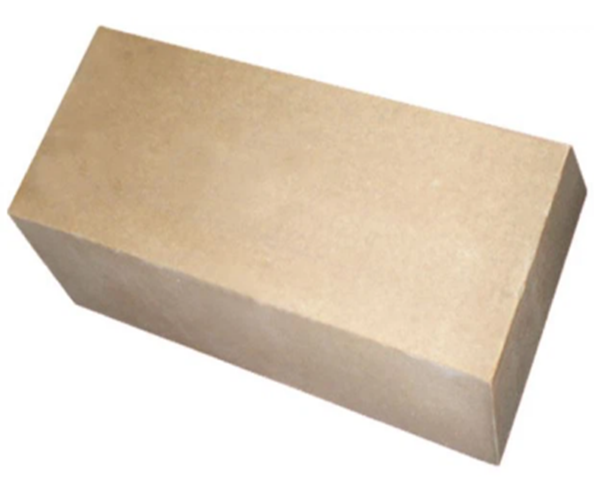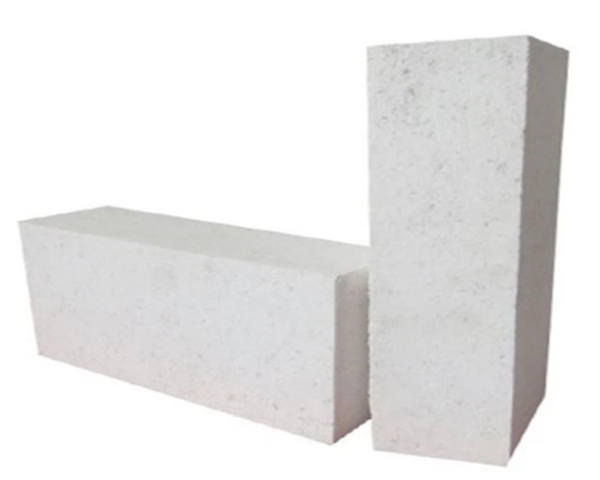
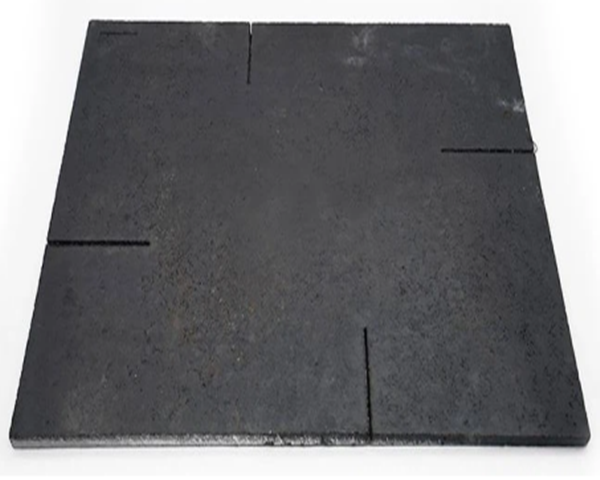
Silicon carbide (SiC) plates are high-performance ceramic materials based on silicon carbide. As a covalently bonded compound, its unique crystal structure gives the material extremely high strength and stability. The manufacturing process involves the formation of a dense silicon carbide structure through complex chemical reactions between high-purity carbon and silicon.
Silicon carbide (SiC) plates are high-performance ceramic materials based on silicon carbide. As a covalently bonded compound, its unique crystal structure gives the material extremely high strength and stability. The manufacturing process involves the formation of a dense silicon carbide structure through complex chemical reactions between high-purity carbon and silicon.
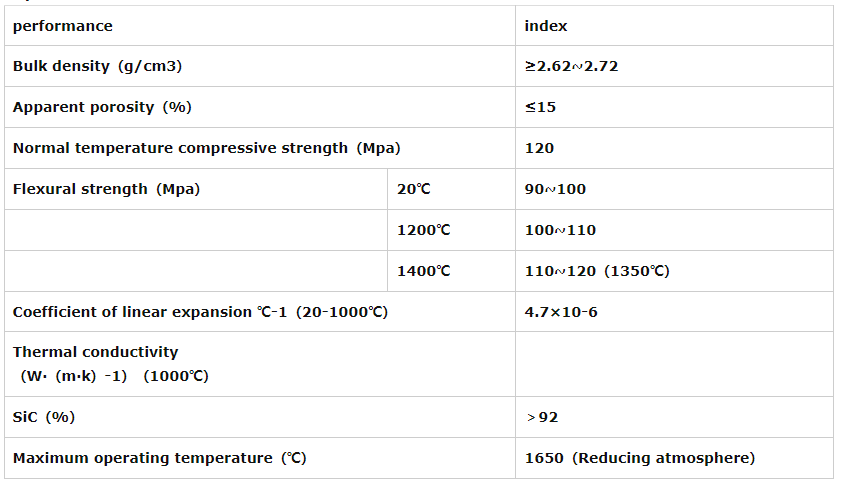
一.Physical And Chemical Indicators of Silicon Carbide Board
二.Features:
1. Mechanical properties: Mohs hardness approximately 9.5, compressive strength 1800-2200 MPa+, flexural strength 390 MPa, Young's modulus 440 GPa, high density and low porosity, wear and impact resistance;
2. Thermal properties: Thermal conductivity 120-270 W/m·K, long-term temperature resistance ≤1600℃ (short-term 1800℃), thermal expansion coefficient 4.0×10⁻⁶/K, fast heat conduction, high temperature resistance, and good thermal stability;
3. Chemical stability: Acid and alkali resistance, corrosion resistance, excellent oxidation resistance, and long service life;
4. Electrical properties: Dielectric constant 9.66-10.03, high dielectric strength, volume resistivity 10²-10⁶ Ω·cm, suitable for specific electrical application scenarios.
三.Applications of Silicon Carbide Plates
High-Temperature Industrial Fields: High-temperature furnaces, heat treatment equipment, kiln furniture (such as firing plates, shelves) Electronics and Power: Semiconductor substrates, power devices (such as electric vehicle inverters, photovoltaic inverters) Wear-resistant components: Pipe linings, cutting tools, etc.
Lining and Protective Materials for High-Temperature Kilns
Due to its high temperature resistance and wear resistance, silicon carbide plates are widely used in high-temperature kiln linings. Compared with traditional materials, their longer lifespan and stability effectively reduce operating costs.
Applications in Metal Melting Equipment
In metal melting, silicon carbide plates, as the lining of melting equipment, can significantly improve the corrosion resistance and thermal efficiency of the equipment.
Semiconductor Industry
Silicon Carbide Plates as Semiconductor Substrates
With its high thermal conductivity and low thermal expansion, silicon carbide plates provide ideal substrate support for semiconductor devices.
Wafer Manufacturing and Power Module Heat Dissipation
In wafer manufacturing and power module heat dissipation, the thermal stability of silicon carbide plates ensures the precision of the manufacturing process and the reliability of the product.
New Energy Technologies
Applications in Fuel Cells and Hydrogen Energy Equipment
As a key component, silicon carbide plates greatly improve the durability and efficiency of fuel cells.
Photovoltaic and Solar Energy Industry
In photovoltaic equipment, the high thermal conductivity and stability of silicon carbide plates provide a reliable solution for heat dissipation and efficiency improvement of solar devices.
We have recommended some of our Related products to you. I hope you will be interested.