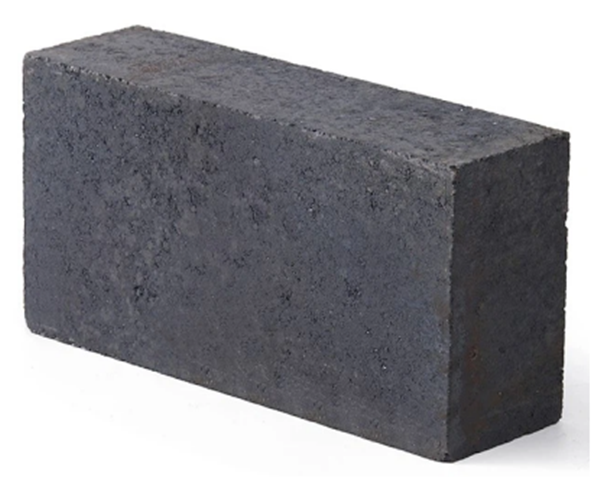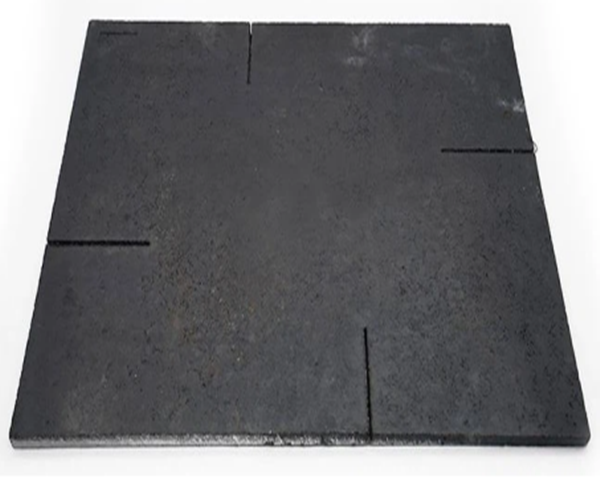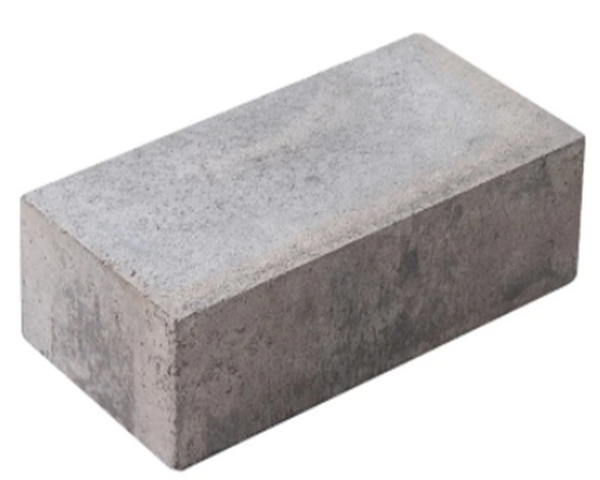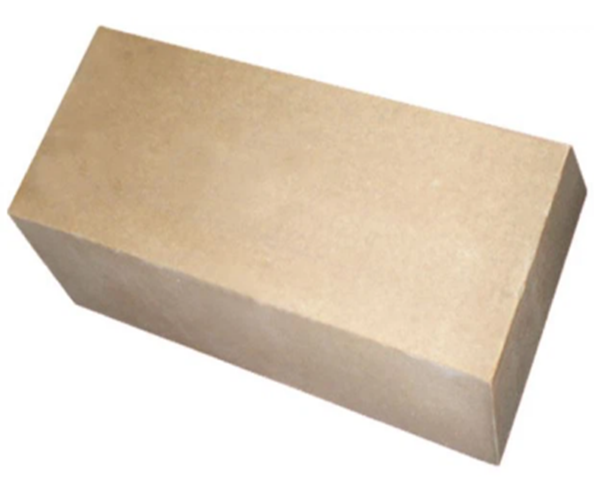
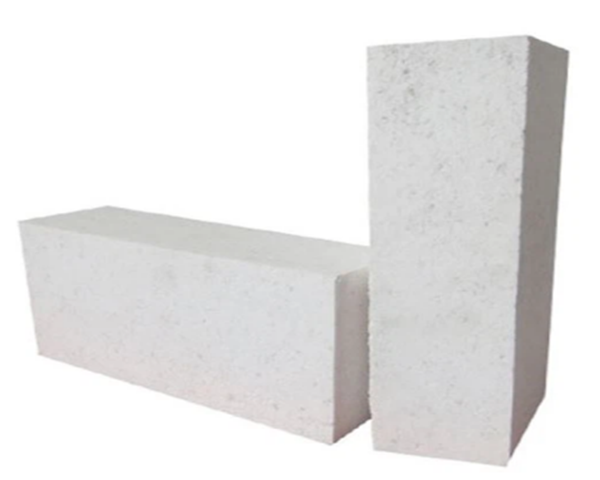
Electro-fused mullite bricks are refractory products in the aluminum-silicon system with mullite as the main crystalline phase. They are an important high-performance refractory material with a refractoriness of approximately 1850°C, high load softening temperature, low high-temperature creep rate, and good thermal shock resistance. They are widely used in various high-temperature industrial furnaces and thermal equipment.
Electro-fused mullite bricks are refractory products in the aluminum-silicon system with mullite as the main crystalline phase. They are an important high-performance refractory material with a refractoriness of approximately 1850°C, high load softening temperature, low high-temperature creep rate, and good thermal shock resistance. They are widely used in various high-temperature industrial furnaces and thermal equipment.
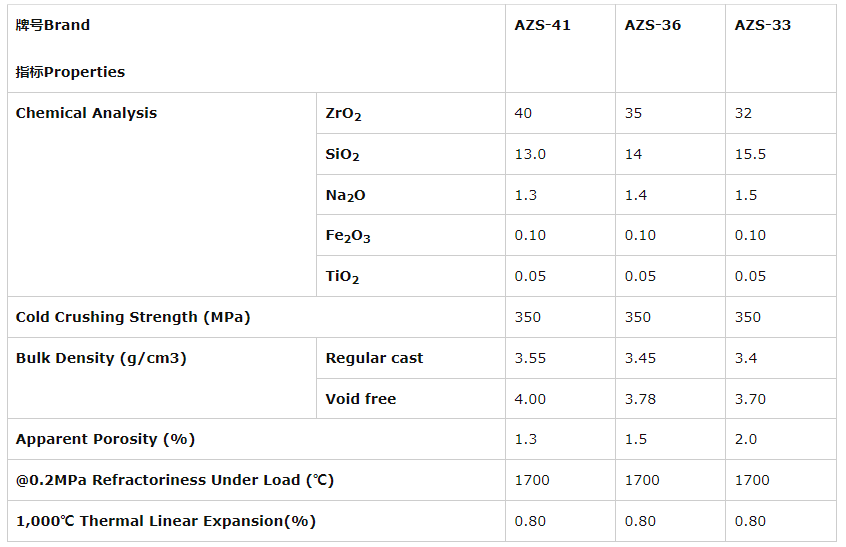
一.Physical And Chemical Indicators of Fused Mullite Brick
二.Characteristics of Fused Mullite Brick
1. Excellent High-Temperature Stability: Electrofused mullite bricks possess extremely high refractory properties, with a refractoriness reaching 1700°C. Even under these extreme temperatures, they maintain excellent structural strength and shape stability, resisting softening, deformation, or collapse, making them suitable for long-term use in various high-temperature applications.
2. Superior Thermal Shock Resistance: This product exhibits excellent adaptability to drastic temperature changes. In alternating conditions of frequent rapid heating and cooling, the internal stress distribution remains uniform, preventing cracks or damage due to thermal expansion and contraction. It effectively resists damage caused by temperature fluctuations, significantly improving reliability and durability during use.
3. Outstanding Corrosion Resistance: Electrofused mullite bricks demonstrate strong resistance to common acidic, alkaline, and neutral slags in industrial settings. They effectively prevent slag penetration, corrosion, and erosion, reducing material loss and significantly extending the service life of the bricks and related equipment, thereby lowering maintenance and replacement costs.
4. Excellent Thermal Insulation: The product has a low thermal conductivity, resulting in low heat transfer efficiency. It effectively blocks heat transfer paths, reducing heat loss from kilns and other equipment, helping to improve energy utilization efficiency and reduce operating energy consumption, providing reliable support for energy-efficient operation of high-temperature equipment.
三.Application of Fused Mullite Brick
1. Ceramic Industry: As a core lining material for high-temperature kilns such as ceramic firing kilns and sanitary ware tunnel kilns, it can withstand the high-temperature environment and slag erosion during kiln operation, effectively preventing heat loss and protecting the kiln's structural integrity. This provides reliable environmental support for the stable firing of ceramic products and ensures the long-term efficient and stable operation of the kiln.
2. Glass Industry: Widely used in key equipment such as glass melting furnaces and glass fiber tank furnaces, its excellent thermal shock resistance adapts to working conditions with frequent temperature fluctuations. Its strong corrosion resistance withstands the erosion and scouring of molten glass, reducing equipment wear and tear, and helping to improve glass production efficiency and product quality stability.
3. Steel Industry: Plays a vital role in the lining construction of core steelmaking equipment such as blast furnaces and converters. It can withstand the extreme high temperatures, slag erosion, and mechanical scouring during the smelting process, effectively protecting the equipment base and preventing production interruptions due to high-temperature damage, thus ensuring the normal progress of the steelmaking process.
4. Non-ferrous Metal Smelting: Suitable for the demanding working conditions of non-ferrous metal smelting, it is commonly used in the lining and protection of key parts of various smelting furnaces. With its stable high-temperature performance and corrosion resistance, it resists the erosion of various corrosive media during the smelting process, reducing the risk of equipment failure and providing a solid guarantee for the safe and stable operation of non-ferrous metal smelting equipment.
We have recommended some of our Related products to you. I hope you will be interested.