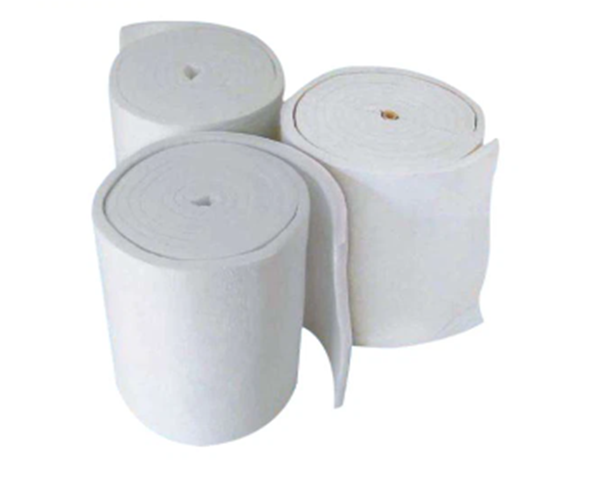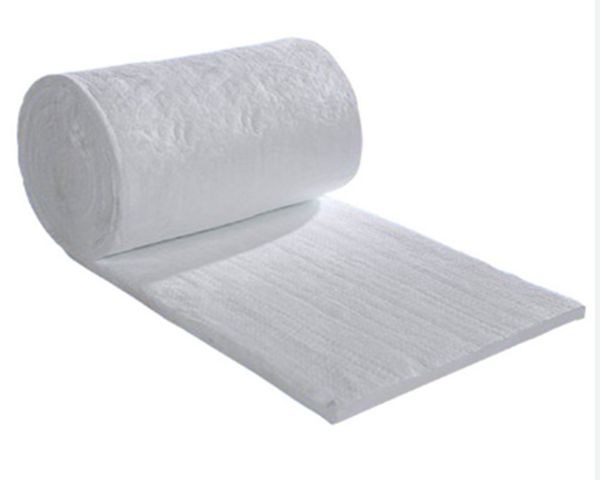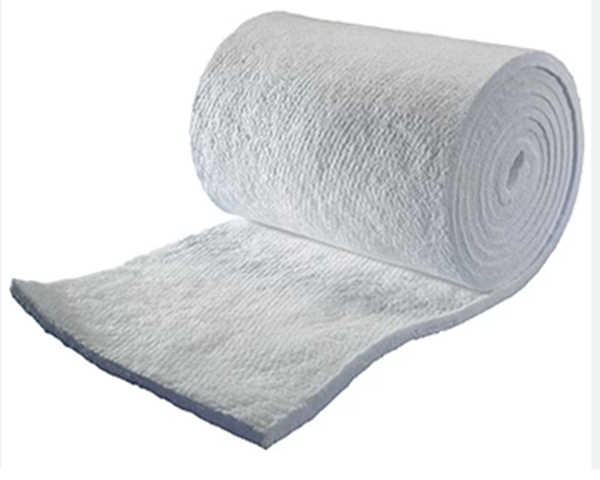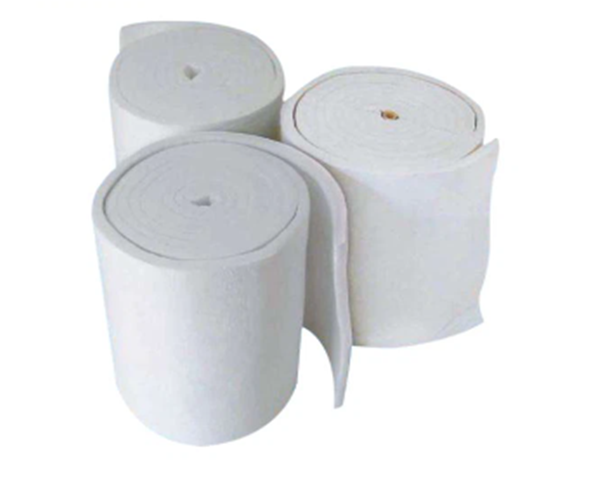
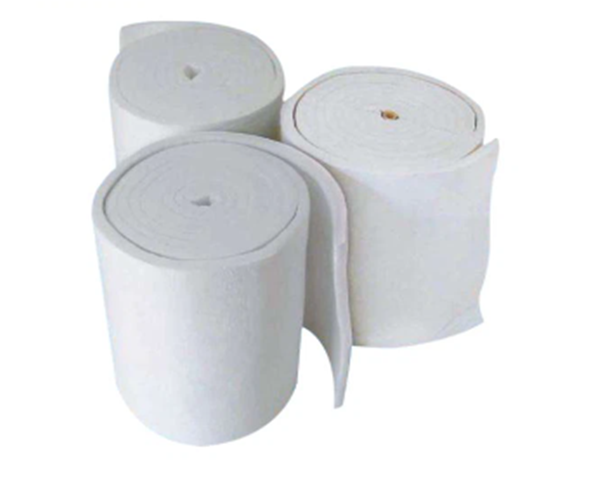
High-alumina aluminum silicate fiber blanket is a high-performance thermal insulation and refractory material made from high-alumina aluminum silicate as the core raw material, through melting, fiberization, and needle-punching processes. Its alumina content is higher than that of ordinary aluminum silicate fiber blankets, giving it superior high-temperature resistance and structural stability. It is an ideal thermal insulation material for high-temperature applications in metallurgy, building materials, petrochemicals, and other industries.
High-alumina aluminum silicate fiber blanket is a high-performance thermal insulation and refractory material made from high-alumina aluminum silicate as the core raw material, through melting, fiberization, and needle-punching processes. Its alumina content is higher than that of ordinary aluminum silicate fiber blankets, giving it superior high-temperature resistance and structural stability. It is an ideal thermal insulation material for high-temperature applications in metallurgy, building materials, petrochemicals, and other industries.
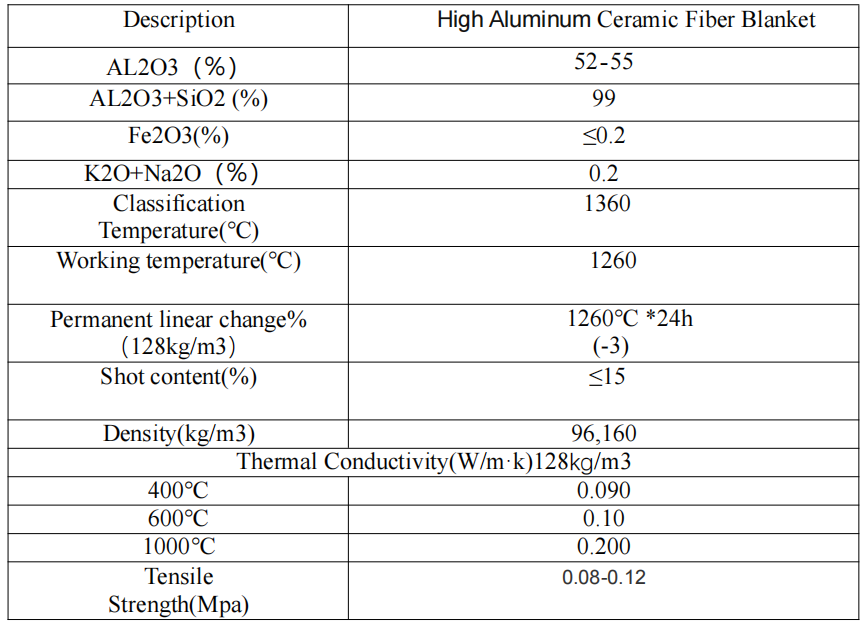
一.Physical And Chemical Indicators of High Aluminum Ceramic Fiber Blanket
二.Core Features
Excellent High Temperature Resistance: The increased alumina content gives the product a higher heat resistance threshold, allowing for long-term use at temperatures up to 1200-1350°C, and short-term resistance to even higher temperature shocks. It does not soften or powder at high temperatures, maintaining stable performance.
Lightweight, High Strength, and Easy to Install: The product has a low bulk density, is soft and elastic, and shows no significant expansion or deformation after heating. It can be cut, bent, and folded arbitrarily, adapting to the complex contours of equipment for easy installation, significantly reducing installation difficulty.
Excellent Thermal Insulation and Energy Efficiency: The porous structure formed by interwoven fibers gives it a very low thermal conductivity, effectively blocking heat transfer, reducing heat loss from high-temperature equipment, significantly improving energy utilization efficiency, and lowering production costs.
Strong Corrosion Resistance and Vibration Resistance: It possesses excellent resistance to chemical corrosion, withstanding acid, alkali, and some corrosive gases; it also has multiple properties such as vibration resistance, sound insulation, and insulation, making it suitable for stable application in vibrating conditions, noisy environments, and electrical equipment insulation scenarios.
Green, Environmentally Friendly, and Non-Polluting: No harmful substances are released during production and use, and no toxic gases are produced at high temperatures, posing no harm to human health or the environment, meeting the requirements of modern industrial green and environmentally friendly material selection.
三Typical Application Areas
Metallurgical Industry: Used for the inner lining insulation of steelmaking electric furnaces, rolling mill heating furnaces, and blast furnace hot air pipes, as well as the insulation layer of non-ferrous metal melting furnaces, resisting thermal radiation from high-temperature molten metal.
Building Materials Industry: Used as a backing insulation material for ceramic roller kilns, glass melting furnaces, and cement rotary kilns, reducing heat dissipation from the kiln body and maintaining stable furnace temperature.
Petrochemical Industry: Suitable for thermal insulation of high-temperature equipment such as cracking furnaces, conversion furnaces, and reactors, withstanding high temperatures and chemical corrosion environments during equipment operation.
Power and Environmental Protection: Used for furnace walls and flue insulation of power plant boilers and waste incinerators, improving equipment operating efficiency and reducing flue gas temperature.
Specialized Fields: Can be used as thermal insulation components for aerospace high-temperature testing equipment and military heat treatment devices, meeting the needs of extreme high-temperature working conditions.
We have recommended some of our Related products to you. I hope you will be interested.