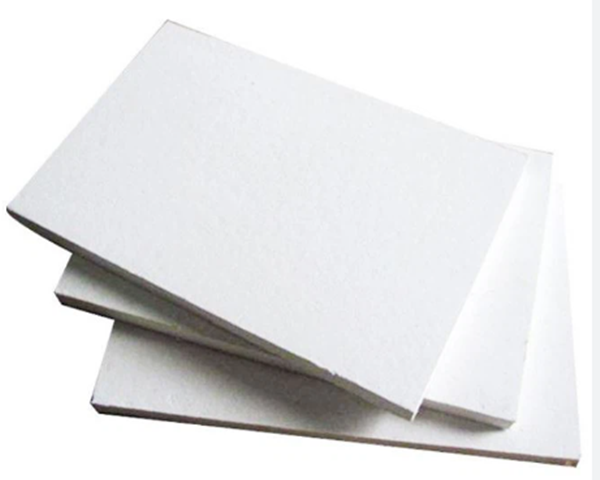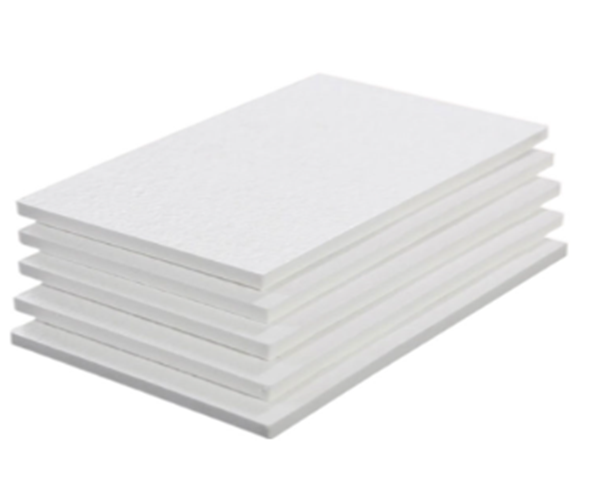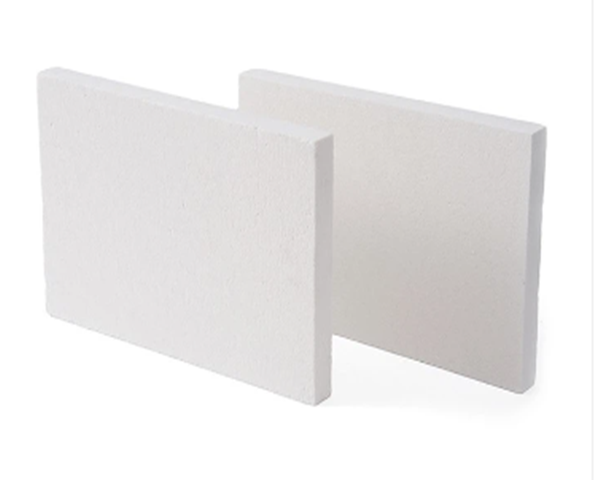
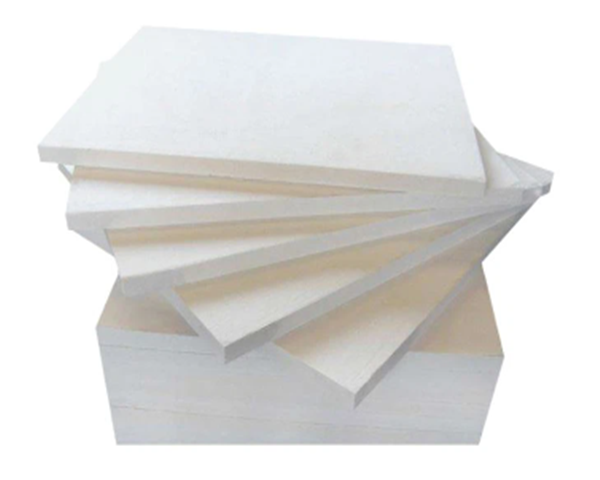
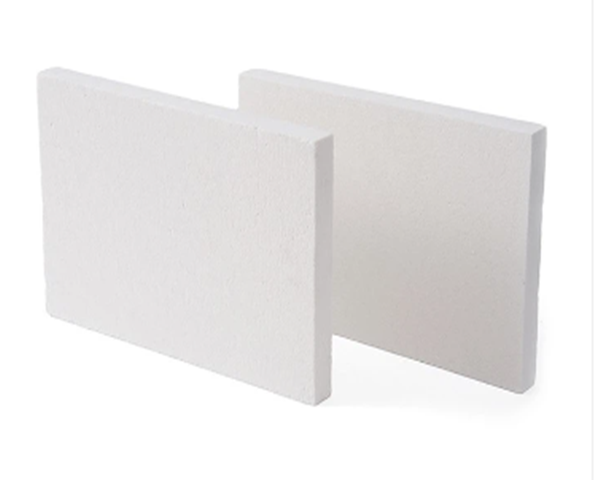
Ordinary aluminum silicate fiber board is a block-shaped product containing an organic binder. Its refractory fiber raw material has stable chemical properties, resulting in light weight and excellent thermal insulation. It is suitable for high-temperature applications requiring rigid strength.
Ordinary aluminum silicate fiber board is a block-shaped product containing an organic binder. Its refractory fiber raw material has stable chemical properties, resulting in light weight and excellent thermal insulation. It is suitable for high-temperature applications requiring rigid strength.
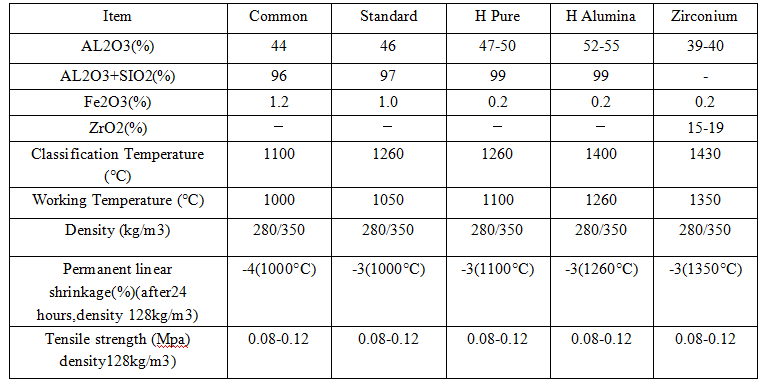
一.Physical And Chemical Indicators of Ordinary aluminum silicate fiber board
二.Product Performance:
Low thermal conductivity and low heat capacity;
Excellent thermal stability and thermal shock resistance;
High compressive strength, hard texture, excellent wind erosion resistance, and long service life;
Non-brittle material with good toughness;
Good dimensional accuracy and flatness;
Does not expand when heated, lightweight, easy to construct, and easy to shape or cut;
Good sound absorption performance;
Continuous production, uniform fiber distribution, and stable performance.
三.Product Applications: It is an ideal energy-saving material for kilns, pipelines, and other insulation equipment, widely used in chemical, petroleum, power, metallurgy, building materials, aerospace, machinery, and other industries.
Steel industry: Expansion joints, lining insulation, insulation sheets, and casting mold insulation;
Non-ferrous metal industry: Backing insulation materials, tundish and launder covers, used for casting copper and copper alloys;
Ceramic industry: Lightweight kiln car structure and hot face lining of kilns, kiln temperature zone separation and fire barrier materials;
Glass industry: Melting furnace lining insulation, burner blocks;
Kiln construction: Hot face refractory material (replacing fiber blankets), lining of heavy refractory materials, expansion joints;
Light industry: Inner lining of combustion chambers of industrial and household boilers;
Petrochemical industry: Hot face material for high-temperature heating furnace lining;
Building materials industry: Insulation of cement rotary kilns and other equipment.
Aerospace and shipbuilding industries: Thermal insulation, fire protection, sound insulation, and electrical insulation.
We have recommended some of our Related products to you. I hope you will be interested.