What are the things to know when purchasing refractory bricks
What are the things to know when purchasing refractory bricks? What refractory bricks are used as linings for kilns? Can refractory bricks achieve practical application effects? How can I buy refractory bricks with good performance? This article elaborates on some matters when purchasing refractory bricks based on actual situations.
The kiln parts where refractory bricks should be applied
Master the characteristics of furnaces and kilns
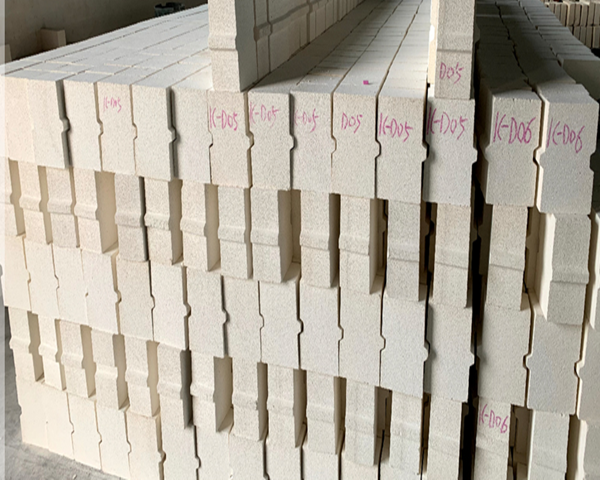
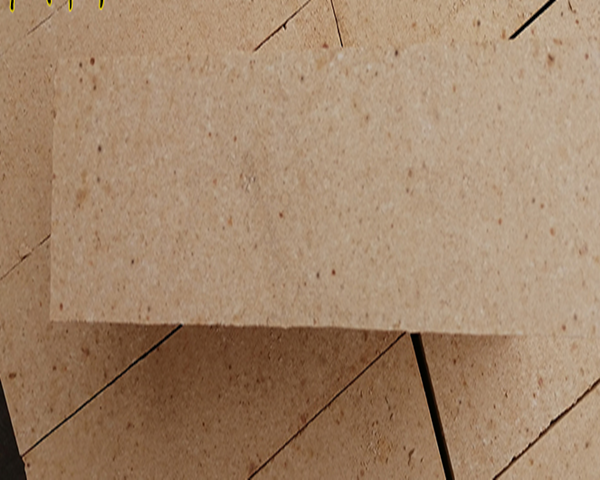
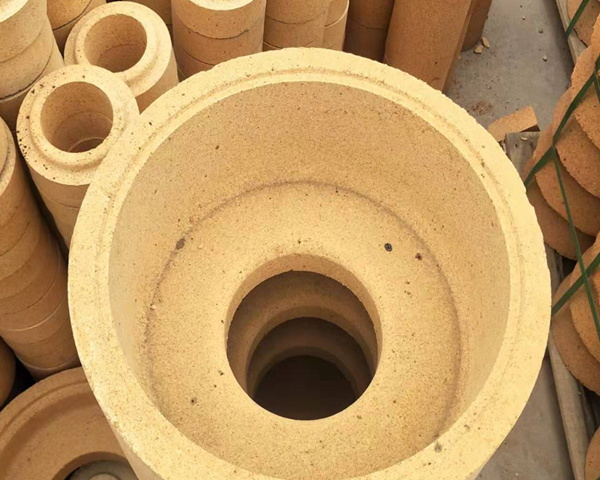
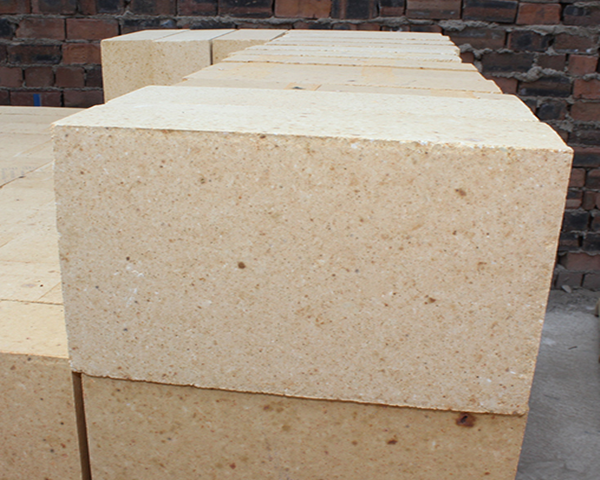
Select refractory bricks based on the structure of the furnace, the working characteristics and operating conditions of each part of the furnace, and achieve targeted selection of refractory bricks. For example, the furnace lining and bottom of various melting furnaces (such as furnaces and reverberatory furnaces) are mainly affected by chemical erosion of slag and metal melt, followed by thermal stress caused by sudden temperature changes. Generally, magnesia and magnesia chromium refractory bricks with excellent slag resistance are used for masonry. Above the slag line, magnesium aluminum bricks, magnesium chromium bricks, or high alumina refractory bricks can be used for masonry.
Ensure the normal operation and overall lifespan of the furnace
As the lining of a kiln, refractory bricks should be used to ensure the normal operation and overall service life of the kiln. The various refractory bricks used in different parts of the kiln should be reasonably configured. When determining the material of each part of the kiln and each layer of refractory bricks in the same part, it is necessary to avoid chemical reactions and melting damage between different refractory bricks, and to ensure balanced loss of each part, or to achieve balanced loss through reasonable technical measures to ensure the overall service life of the furnace.